Racing Registration

Sophie
| 22-12-2025
 · Automobile team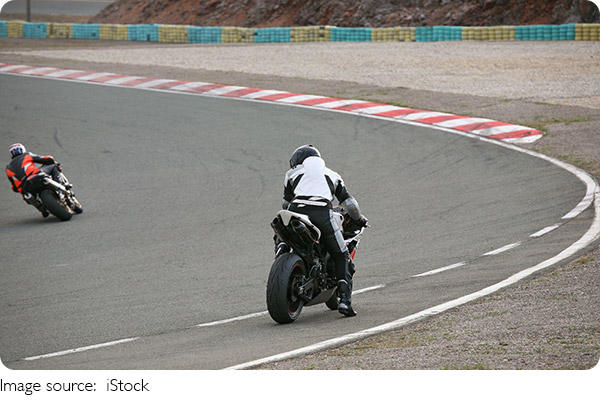
Racing in a modified bike event is thrilling. Whether it's your first race or you're a seasoned pro, the registration process is key to making sure your experience goes smoothly.
Understanding how to sign up, what documents are needed, and how to prepare for race day can make all the difference.
Here's everything you need to know about signing up for a modified bike race.
Understand the Requirements
Before diving into the registration process, make sure you know the event's rules and eligibility criteria. Different events may have unique requirements based on the type of modifications allowed, the race class (amateur vs. professional), and specific safety regulations.
Start by checking out the event's official website or registration platform. This will provide all the necessary information on the classes available and the types of modifications that are eligible.
Example: Some events might have strict rules on what modifications can be made to your bike, like engine limits or suspension adjustments. Be sure to read through these guidelines so that you don't end up with a bike that doesn't comply with the race's rules.
Register Online or In Person
Most modified bike racing events offer online registration. This is the easiest and quickest way to secure your spot in the race. However, some local events may still require in-person registration.
Online registration typically involves creating an account on the event's official website, filling in your details, and paying the registration fee. Be prepared to provide the necessary information, like your name, contact details, bike specs, and the class you wish to race in.
Example: For an online registration process, you'll likely need to upload a copy of your driver's license, bike registration, and proof of insurance. Make sure you have these documents handy when signing up.
Pay the Registration Fee
Once you've registered, the next step is payment. Most races charge an entry fee, which covers everything from track usage to insurance. The fee can vary depending on the event's size and location.
Some events may offer discounts for early registration, so it's a good idea to sign up as soon as possible. On the other hand, late registrations may come with an added fee or less favorable slot choices.
Example: For a regional modified bike race, entry fees might range from $50 to $200, depending on the type of race and the level of competition. Be sure to keep a copy of your payment receipt for reference.
Verify Bike Modifications and Safety Standards
It's essential to ensure that your bike is race-ready. This means double-checking that all modifications align with the event's specifications and that your bike meets safety standards. Many races will not allow participation if the bike doesn't pass a pre-race inspection.
Ensure the following:
• Your bike has the correct safety gear, such as crash bars, safety nets, or protective covers.
• The engine mods and other upgrades comply with the race's specific guidelines.
• You've completed all necessary paperwork for any modifications, such as proof of upgrades or specialized parts.
Example: If the event has a requirement for specific tire brands or tire pressure limits, ensure you meet these standards before arriving at the track.
Attend Pre-Race Briefing
Some racing events may host a mandatory pre-race briefing. This is a crucial step as it gives you an overview of the race day schedule, rules, and any last-minute changes. You'll also get to meet other racers and familiarize yourself with the racecourse.
During the briefing, officials will cover track conditions, race times, safety protocols, and conduct guidelines. Listening attentively ensures you're fully prepared for the race.
Example: If it's your first time racing, attending this briefing is crucial to understanding everything from the flag signals to pit stop etiquette. Ignoring this session could leave you unprepared for key race scenarios.
Equipment Check-In
Before the race begins, you will usually need to go through an equipment check. This is when race officials will verify that your bike meets all the safety and performance regulations. They will check your tires, brake systems, and overall bike setup to ensure everything is in order.
Your bike might undergo a technical inspection to confirm that your modifications are in compliance with the race's rules. If something doesn't meet the requirements, you'll have to fix it before you can race.
Example: If your exhaust system doesn't meet the noise level regulations or your bike's fuel tank is too large, you'll be given a chance to make adjustments. Some races provide a short window for modifications before they close registration.
Race Day: Show Up and Compete!
Once you've completed all the registration steps, the big day arrives. On race day, make sure you get to the event early to allow time for final checks and any last-minute prep. Arrive at the race track, sign in at the registration booth if needed, and head to the starting line.
Ensure your bike is in top condition—check tire pressure, fluid levels, and brake functionality one last time. Bring your helmet, racing gear, and anything else you need for the race.
Example: If you've made last-minute tweaks to your bike, give yourself ample time to check them before heading to the grid. You don't want to be rushing around when the race is about to begin.
Post-Race Procedures
Once the race is over, some events will have a post-race procedure where results are announced, and awards are given. This is a great time to network with fellow racers, learn from your performance, and perhaps even sign up for upcoming races.
Example: After the race, you may have a chance to speak with race officials or other participants about what went well and what could be improved. Many racers use this feedback to fine-tune their bikes for the next race.
Final Thoughts
The process of registering and preparing for a modified bike race might seem daunting at first, but with proper planning, it becomes second nature. By ensuring that your bike meets the rules, signing up early, and attending all necessary briefings, you'll set yourself up for success.
Racing is all about passion, and following the right steps ensures you focus on what truly matters: the thrill of the competition. Get ready, race hard, and enjoy the ride!