Nesting Habits of Birds
Nolan O'Connor
| 19-12-2025
 · Animal team
When you think about birds, their nests might be the first thing that comes to mind.
From intricate, woven masterpieces to simple scrapes in the dirt, the ways birds build their homes are as varied as the species themselves. Ever wonder how they decide where to nest or what materials they choose?
It's a fascinating process with a lot of diversity in nature. Let's look at how different birds approach this crucial task.
The Woven Wonders of Sparrows
Sparrows are the master architects of the bird world when it comes to nest construction. They usually build their nests in shrubs, trees, or even on window ledges, using a variety of materials like grass, twigs, and feathers. But here's the twist—sparrows weave their nests together! The intricate weaving provides a sturdy, sheltered space for their eggs.
Some sparrows even use bits of human-made materials like string or fabric, showing how adaptable they can be to their environment.
Owls: Masters of Seclusion
Owls are another species with unique nesting habits. Unlike sparrows, owls don't build their nests from scratch. Instead, they tend to use the abandoned nests of other birds or natural hollows in trees. They prefer a secluded, quiet spot to lay their eggs. The owl's nest is often not as elaborate as that of some other birds, but it's chosen carefully to ensure the safety and security of their young. They're not ones to fuss about decorative touches—functionality is their main priority.
The Ingenious Crows
Crows are known for their intelligence, and their nesting behavior is a perfect example of this. They often build their nests in tall trees, where they construct large, bulky homes using sticks, mud, and even garbage. Yes, crows have been observed using plastic, paper, and even bits of metal to reinforce their nests. This scavenger-like behavior allows them to be resourceful and flexible in their nest-building process.
Crows also tend to use the same nest year after year, adding more to it with each new breeding season. It's like they're constantly improving their home, making it better each time.
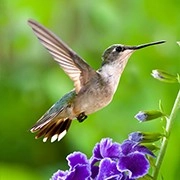
The Hummingbird's Tiny Home
When it comes to size, the hummingbird takes the crown for the tiniest nest. These tiny birds build nests that are so small, they can fit in the palm of your hand! Hummingbirds construct their homes using spider silk, plant down, and soft leaves. Their nests are often camouflaged with moss or lichen, blending into their surroundings for maximum protection from predators.
Despite their size, hummingbirds are meticulous builders, taking care to create a warm, cozy environment for their delicate eggs.
The Magpie's Love of Luxury
Magpies are known for their love of shiny objects, and their nests are no exception. These birds have a preference for creating large, well-structured nests that are often found in tall trees. They build with a combination of twigs, mud, and grass, and will even line their nests with soft materials like feathers. The most interesting part? Magpies are known to decorate their nests with bits of glass, plastic, and shiny objects they collect.
This gives their nests a unique, almost human-like flair. While not strictly necessary, this habit likely serves as a way to intimidate potential rivals, signaling that the nest is well-defended and high-status.
The Pigeon's Simple, Efficient Design
Pigeons, on the other hand, are all about practicality. Unlike some other birds, they don't invest much time or energy into building complex structures. They often create simple nests in city buildings, ledges, or under bridges, using a few twigs, leaves, or whatever is available in the area.
Despite their simplicity, these nests are surprisingly effective, offering pigeons a stable platform to lay their eggs and raise their young. Their focus is on finding a safe, quiet spot rather than on intricate construction.
Nesting in Holes: Woodpeckers and Kingfishers
Some birds, like woodpeckers and kingfishers, take a different route when it comes to nesting. Rather than building nests, they carve out their homes in trees or riverbanks. Woodpeckers, for example, drill cavities into trees using their strong beaks.
These cavities serve as both their nesting site and a place to store food. Kingfishers, similarly, dig tunnels into the banks of rivers, where they create a safe space to raise their young. These birds rely on their ability to create the perfect hole, offering them shelter and security from predators.
Nature's Building Variety
The variety in how birds build their nests is astonishing. From the masterful woven structures of sparrows to the minimalist approach of owls, the birds' nesting habits tell a story of adaptability and resourcefulness. Each species uses its unique skills and available materials to create a home for its offspring, ensuring the next generation has the best chance to thrive.
Whether it's a luxurious magpie nest adorned with shiny trinkets or a simple pigeon roost, every nest is a testament to the bird's survival instincts. As you observe the birds around you, take a moment to appreciate the incredible ways they use their environment.
The next time you see a nest, you might just marvel at the thought and care that went into building it—nature's tiny marvels at work.