Power on the Curb

Priya
| 14-01-2026
 · Automobile team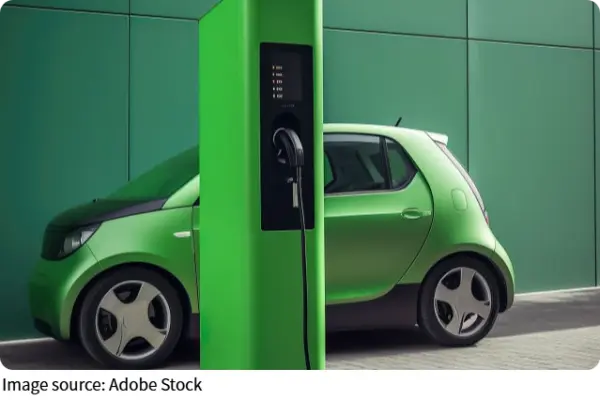
Have you ever stood at a crosswalk, waiting for the light to change, and noticed a small glowing screen attached to a lamppost? Maybe a car was parked beside it, cable plugged in, driver nowhere in sight.
Ten years ago, that scene felt futuristic. Now it's becoming part of the background of everyday city life, as ordinary streets adapt to electric vehicles without much noise or drama.
A city street with an electric vehicle charging station isn't just about cars. It's about how public space, routines, and even casual habits are slowly shifting—often in ways we don't notice until we stop and look.
When the street becomes part of the grid
Urban charging stations are no longer hidden away in special lots. They're woven directly into streets people already use, which changes how energy flows through a city.
One clear example is curbside chargers built into existing infrastructure. Instead of installing bulky new structures, cities often attach chargers to lighting poles or parking meters. This keeps sidewalks clear while quietly expanding access to electricity where cars already park.
Another practical case is time-based street charging. On many streets, charging is allowed only during certain hours, matching parking rules. Drivers learn to plug in during work hours or overnight, and unplug before peak traffic returns. It's a small adjustment, but it helps prevent congestion without adding new rules people have to memorize.
A third example is neighborhood-level load balancing. Street chargers are often programmed to reduce power when nearby demand spikes, like early evening when homes use more electricity. This behind-the-scenes adjustment keeps the local grid stable without the driver doing anything differently.
Together, these examples show how a city street isn't just a place to move through anymore. It's becoming a shared energy space, designed to flex quietly around daily life.
Design choices you probably walk past
If you think street chargers all look the same, look closer next time. Their design is carefully shaped by how people behave in public spaces.
Slim profiles that don't block movement
Chargers are often narrow and vertical, leaving room for strollers, wheelchairs, and bikes. Designers measure sidewalk flow to make sure a plugged-in cable won't become an obstacle.
Simple screens with minimal steps
Most curbside chargers use clear icons and short instructions. The goal is that someone using it for the first time can start charging in under a minute, without standing awkwardly on the sidewalk.
Weather- and noise-aware details
Charging units are sealed against rain and dust, and they operate silently. On a busy street, that quiet matters. There's no hum, no fan noise, nothing to draw attention or disturb nearby homes.
These choices may seem minor, but together they help charging stations fade into the street instead of dominating it. That's why many people walk past them every day without giving them a second thought.
How drivers adapt their daily routines
Street charging changes behavior in subtle ways. Instead of planning trips around special stops, drivers start thinking differently about time and place.
One common pattern is “parking equals charging.” Drivers don't wait until the battery is low. If they're parking for errands or meetings and see an available charger, they plug in. Over time, this keeps battery levels comfortably high without long charging sessions.
Another shift is shorter, with more frequent top-ups. Street chargers usually provide moderate power, not rapid charging. Drivers adjust by adding energy in small amounts across the week, rather than relying on a single long session.
A third adaptation is route awareness. People begin to notice which streets tend to have available chargers at certain times of day. This local knowledge spreads informally—through conversations, observation, and habit—rather than through apps alone.
These routines reduce range anxiety not by technology alone, but by familiarity. Once charging becomes part of normal parking, it stops feeling like a task.
What this means for city life
Beyond individual drivers, street charging affects how cities think about fairness and access.
Equal access without private garages
Many city residents don't have dedicated parking. Street chargers allow them to use electric vehicles without changing where they live, which helps avoid energy access becoming a luxury.
Smarter use of existing space
Instead of building new structures, cities reuse curb space that already exists. This keeps streets human-scaled and avoids turning valuable land into single-purpose zones.
Visible signals of long-term planning
A charger on a quiet street sends a message: this city expects cleaner vehicles to be normal, not exceptional. That visibility shapes public expectations more than policy documents ever could.
None of this requires grand announcements. The impact comes from repetition—seeing chargers daily, using them casually, and slowly accepting them as part of the street's furniture.
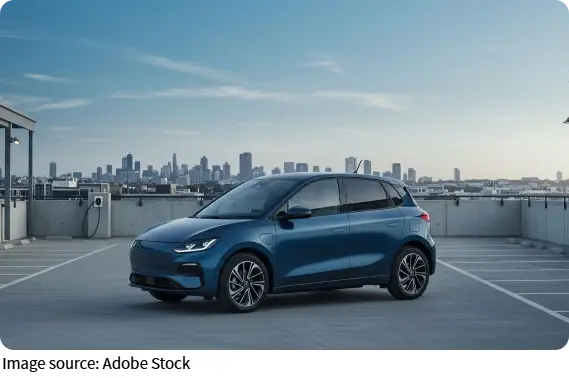
The next time you notice a car plugged in at the curb, take a moment to watch the scene. People pass by, traffic flows, lights change, and energy moves invisibly through a cable no thicker than a garden hose. It's not dramatic, but that's the point. Real change often arrives quietly, one ordinary street at a time.