Gyeongbokgung Done Right
Nolan O'Connor
| 04-02-2026
 · Travel team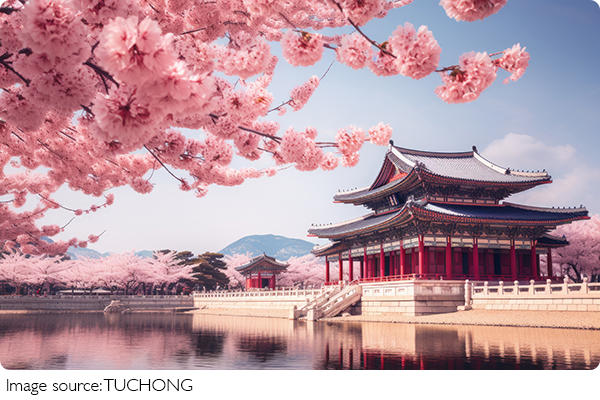
Gyeongbokgung Palace is often listed as essential in Seoul, yet the actual experience varies sharply depending on timing and route choices.
This guide is written for Lykkers who want execution-level clarity. You will learn exactly when to go, how long to stay, how to move through the palace efficiently, and when it makes sense to skip or shorten the visit. The focus stays on two critical aspects only: timing and internal routing. Every detail is practical and decision-oriented.
Timing Your Visit for Maximum Value
This section explains when Gyeongbokgung actually works. Time choice matters more here than at most attractions in Seoul.
Opening Hours and Best Entry Window
Gyeongbokgung Palace generally opens at 9:00. Closing times vary by season, usually between 17:00 and 18:30. Entry stops one hour before closing.
The single most important rule is entering as early as possible. Arriving between 8:40 and 9:10 provides the calmest conditions. Courtyards remain open, tour groups have not yet arrived, and photography becomes easier.
Arrivals after 10:30 face steady crowd density, especially near the main throne hall. After 13:00, movement slows significantly. If morning entry is not possible, the visit should be reconsidered or shortened.
Seasonal Considerations
Spring and autumn offer the best balance of weather and light, but they also bring the largest crowds. Summer visits involve higher humidity and require slower pacing. Winter provides lighter crowds, though cold temperatures limit comfort.
Rainy days reduce visitor numbers but also limit outdoor exploration. On such days, the palace remains open, yet courtyards feel less accessible. Decide based on tolerance rather than expectation.
Ticketing and Entry Logistics
Admission costs around 3,000 KRW for adults. Tickets are purchased on site and move quickly in the morning. No timed entry system exists, so arrival time remains the only crowd control.
Free entry is available when wearing traditional attire rented nearby. However, changing and queuing time often offsets the benefit unless attire experience itself matters.
Moving Through the Palace Without Wasting Energy
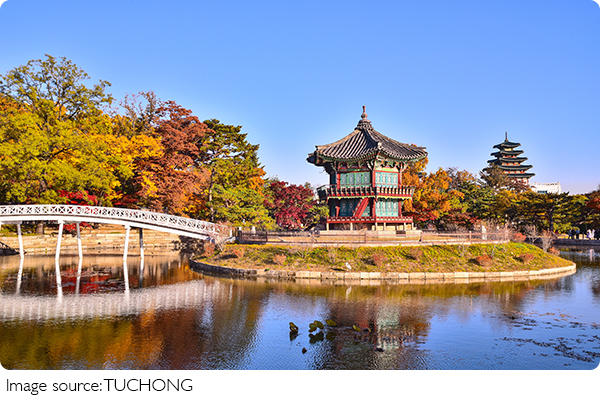
This section focuses on internal movement. Gyeongbokgung is large, and wandering randomly leads to fatigue without added understanding.
Recommended Internal Route
Start at the main gate, then move directly to the throne hall complex. Early access allows clear sightlines and minimal obstruction. Spending too long near the entrance increases exposure to later crowds.
After the central halls, shift toward the rear garden areas. These zones remain quieter and provide space to slow down. Allocate no more than 90 minutes for the entire palace. Longer stays rarely improve understanding.
Pacing and Physical Effort
Walking surfaces are flat but extensive. Expect steady walking with limited seating inside the palace grounds. Comfortable footwear matters more than attire choice.
Plan short pauses at shaded edges rather than central courtyards. This reduces congestion and preserves energy.
Exit Strategy and Nearby Continuation
Exiting through the eastern side creates a smoother transition toward surrounding districts. Nearby Bukchon Hanok Village lies within walking distance, though it requires additional energy and time.
If energy is low, exiting and resting nearby provides better value than forcing continuation. Cafes and shaded streets surround the palace perimeter.
Common Mistakes to Avoid
One frequent mistake involves mid-day arrival combined with full internal exploration. This leads to slow progress and reduced enjoyment.
Another issue is overusing guided explanations without movement planning. Audio guides add time without reducing congestion.
If visiting with limited time or low tolerance for crowds, choosing an early entry or skipping entirely becomes the correct decision.
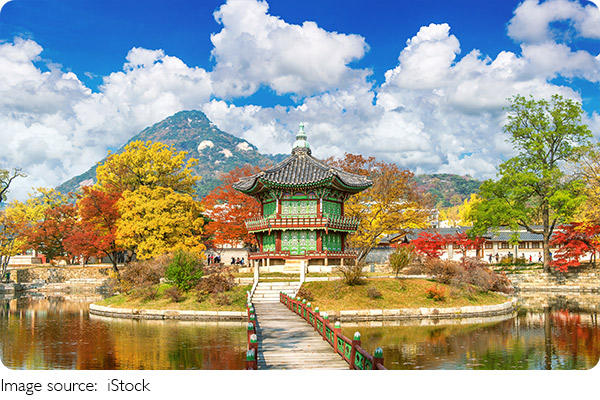
Gyeongbokgung Palace is worth visiting only with precise timing and a controlled route. Enter at opening, limit the visit to 90 minutes, and prioritize early movement toward the central halls. Avoid mid-day entry and random wandering. If early access is not possible, shortening or skipping the visit is the smarter choice. When executed correctly, Gyeongbokgung delivers clarity rather than crowd fatigue.