Caribbean Cruise Decisions

Kwame Johnson
| 04-02-2026
 · Travel team
Caribbean cruises look simple on paper, yet real satisfaction depends on two factors only: choosing the right itinerary length and managing port days with discipline.
This guide is written for Lykkers who want clear decisions, not vague excitement. You will learn when cruising the Caribbean makes sense, how many days are enough, how to move efficiently from arrival to exit, and which mistakes quietly reduce the experience.
Choosing the Right Itinerary Length and Route
This section helps decide whether a Caribbean cruise fits your schedule and which route length actually works. Many travelers choose too short or too ambitious itineraries.
Short Cruises Versus Weeklong Routes
Caribbean cruises usually fall into two categories: short routes of three to four nights, and standard routes of seven nights. Short cruises often depart from Miami or Fort Lauderdale and focus on one or two nearby islands.
These shorter routes cost less upfront, often starting around 300 to 500 USD per person, excluding flights. They suit travelers with limited time but involve heavier onboard crowds and reduced port hours. Port visits may last only five to six hours, limiting exploration.
Seven-night cruises cost more, usually from 700 to 1200 USD per person, yet deliver better pacing. Port days often last eight to ten hours, making land time more usable. For first-time cruisers, seven nights represent the minimum duration that feels balanced.
Eastern, Western, and Southern Caribbean Differences
Eastern Caribbean routes focus on islands closer to Florida, such as St. Thomas and St. Maarten. These routes involve calmer seas and fewer long sailing days. They are ideal for cruise newcomers.
Western Caribbean routes include stops like Cozumel and Grand Cayman. Sailing distances are longer, and port experiences rely more on organized shore transport.
Southern Caribbean routes involve deeper travel toward islands such as Aruba and Curacao. These require longer cruises, often ten nights or more. They suit travelers prioritizing island time over onboard activities.
Seasonal Timing and Sea Conditions
Peak season runs from December to April. Weather remains stable, but prices rise and ports become crowded. Shoulder months like November and early May offer lower costs with manageable conditions.
Late summer and early autumn bring higher risk of itinerary changes due to weather systems. Discounts appear, but port cancellations are more likely. If port reliability matters, avoid booking during this period.
Managing Port Days and Onboard Flow
This section focuses on how to use port days effectively and avoid common onboard inefficiencies. Good planning determines whether island stops feel rewarding or rushed.
Port Arrival and Exit Strategy
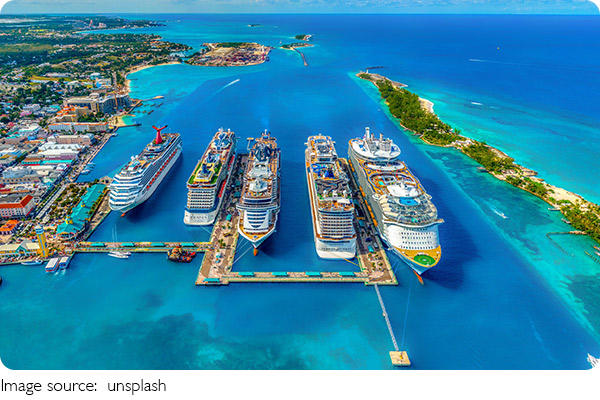
Ships usually dock between 7:00 and 8:00 in the morning. Disembarkation windows vary by deck assignment. Leaving the ship early reduces congestion and increases usable land time.
Returning onboard at least 60 to 90 minutes before final boarding avoids delays caused by security queues. Missing this buffer creates unnecessary stress and risk of denied reboarding.
Transportation from ports often relies on taxis or shuttle vans. Expect typical island taxi costs between 10 and 25 USD per person for short distances. Confirm return pickup times clearly.
Independent Exploration Versus Ship Excursions
Ship-organized excursions provide structure but limit flexibility. Prices tend to be higher than local options, yet timing coordination remains smooth.
Independent exploration works best at walkable ports such as Philipsburg or Charlotte Amalie. At these ports, beaches, shops, and transport hubs sit close to the dock.
At less walkable ports, independent plans require strict time management. Delays in local transport can shorten return windows quickly.
Common Port-Day Pitfalls
One frequent mistake involves overbooking activities in a single port. Combining multiple distant stops reduces enjoyment and increases transport dependence.
Another issue arises from ignoring local time changes. Some islands do not match ship time, causing confusion. Always confirm which time system is used onboard that day.
Physical Effort and Recovery
Port days involve more walking than expected, often under strong sun. Pacing matters. Choosing one primary activity per port keeps energy stable across the cruise.
Onboard afternoons after port return provide natural recovery periods. Scheduling quieter onboard time improves overall endurance, especially on consecutive port days.
A Caribbean cruise delivers value only with deliberate choices. Seven-night itineraries offer the best balance for first-time travelers, while shorter routes suit tight schedules with lower expectations. Eastern Caribbean routes provide calmer seas and simpler logistics. Success depends on disciplined port-day planning, early disembarkation, and realistic activity limits. If timing or weather risks undermine port reliability, postponing the cruise is the better option. Executed correctly, a Caribbean cruise becomes efficient rather than overwhelming.