Mastering City Riding Safety

Naveen Kumar
| 15-01-2026
 · Automobile team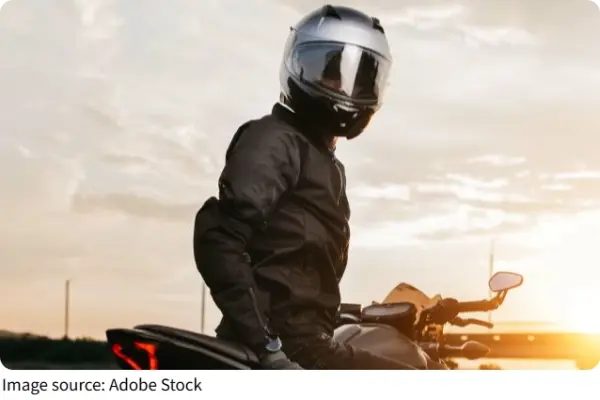
Riding a motorcycle in the city can feel like an exhilarating experience, but it also comes with its unique set of challenges.
From sudden lane changes to unexpected pedestrians, city roads can be a maze of obstacles. How can you stay safe while keeping your ride enjoyable?
Here are some practical tips to help you navigate the complexities of city streets.
Stay Alert: The Key to City Riding
City streets are unpredictable, and you must stay sharp to handle what's thrown at you. Whether you're navigating heavy traffic, dodging potholes, or managing tight corners, alertness is your best defense.
1. Keep Your Head on a Swivel
City riders must be aware of more than just the vehicle in front of them. Be sure to check your mirrors frequently, but also scan the road ahead and the sides of the road. Pedestrians can step out suddenly, and cars can swerve into your lane without warning. Staying alert gives you time to react and adjust your speed or position accordingly.
2. Use Your Horn and Signals
In dense traffic, your horn can be a lifesaver. Don't hesitate to use it to alert drivers to your presence when they might not see you. Always signal your intentions early, whether you're switching lanes or turning. Communication on the road makes you more predictable and reduces the chance of surprises.
3. Watch for Road Hazards
Keep an eye out for debris, wet patches, gravel, and potholes. These things can cause a motorcycle to lose traction, especially if you're riding at higher speeds. A quick visual check can save you from sudden and dangerous maneuvers.
Speed and Distance: The Right Balance
In city traffic, speed can be both an advantage and a danger. The key is knowing when to adjust your speed and when to maintain a safe distance from other vehicles.
1. Avoid Tailgating
Never follow the vehicle in front of you too closely. In city traffic, drivers often make abrupt stops, and not having enough distance can lead to collisions. Maintaining a 2-second gap between you and the car in front of you will give you enough time to react to any sudden movements.
2. Choose the Right Speed
While it's tempting to weave between lanes to avoid traffic, going too fast can be risky. Stick to the speed limit and adjust for road conditions. Slower speeds allow you to navigate sudden stops, turns, and obstacles with more control. It's better to arrive late than risk an accident.
3. Stop Smoothly
Abrupt stops can lead to skidding or loss of balance. Practice smooth braking to bring your bike to a stop gradually. This will give you more control in stop-and-go traffic, where you need to start and stop quickly.
Positioning: Own Your Lane
How you position yourself on the road can make a huge difference in avoiding accidents. In crowded city traffic, always be aware of your place in relation to other vehicles.
1. Ride in the Safety Zone
Always ride in the "safety zone" where you have a clear line of sight and ample space to maneuver. This means avoiding being too close to parked cars, as doors can swing open unexpectedly. Ride in the left or right portion of your lane, depending on traffic flow, so you have room to adjust your position if needed.
2. Never Stay in Blind Spots
One of the most dangerous places to be is in another vehicle's blind spot. Keep yourself visible, especially to larger vehicles like trucks and buses. If you can't see their mirrors, they can't see you. Adjust your position to ensure you're always visible to other drivers.
3. Be Prepared for Lane Splitting
Lane splitting—riding between cars—is legal in some areas, but it should be done with caution. Always ensure there's enough space between vehicles, and don't attempt to split lanes at high speeds. Be ready to stop if traffic comes to a halt.
Gear Up: Protect Yourself
Protective gear isn't just for long trips; it's just as important for city riding. Gear up with the right equipment to stay safe on urban roads.
1. Helmet, Gloves, and Jacket
Your helmet should meet safety standards and fit securely. Look for jackets and gloves designed for urban riders, which offer both protection and comfort. A well-fitted jacket can protect you from road rash, and gloves will give you better control over your handlebars, especially in bad weather.
2. Visibility Gear
Make sure you're visible to other drivers. High-visibility vests or jackets with reflective strips help you stand out in traffic. Bright colors, especially neon green or yellow, can significantly improve your visibility, particularly in the early morning or evening hours.
3. Weather-Ready Gear
City riding can expose you to sudden changes in the weather. Be prepared with waterproof gear or a jacket that can withstand rain and wind. Layering is key—choose breathable layers for the summer and warm options for winter rides.
Stay Calm: Confidence is Key
In the chaos of city streets, it's easy to feel rushed or stressed, but staying calm and collected is essential for safe riding.
1. Avoid Aggressive Riding
Don't try to race between cars or engage in risky maneuvers to cut through traffic. Riding aggressively can lead to mistakes and accidents. Keep a steady, confident pace and leave the risky moves to the racers on the track.
2. Stay Focused on the Road
Avoid distractions like checking your phone or listening to loud music through your helmet. Your full attention should be on the road, especially in busy urban environments where anything can happen at any moment.
3. Take Breaks if Needed
If you find yourself getting frustrated or fatigued, pull over and take a short break. A quick rest will refresh you and help you stay alert and focused for the rest of your ride.

Final Thoughts: Ride Smart, Ride Safe
Riding a motorcycle in a city environment demands both skill and caution. By staying alert, adjusting your speed, positioning yourself wisely, and gearing up properly, you can significantly reduce the risks associated with urban riding.
The key to mastering city roads is to stay calm, ride defensively, and always be ready for the unexpected. Whether you're navigating tight streets or waiting at a busy intersection, your safety is in your hands—ride smart, and enjoy the journey.