Most Colorful Lake: Visit!
Arvind Singh
| 11-02-2026
 · Travel team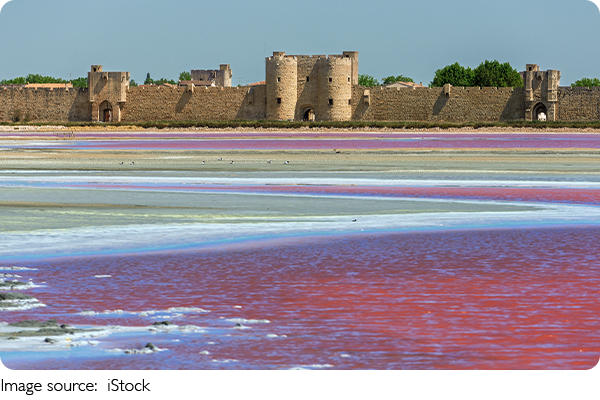
From surreal pink waters to brilliant turquoise basins, the world’s most colorful lakes are among nature’s most magical sights.
These lakes offer unforgettable landscapes, perfect for photography, exploration, and connecting with the natural world.
1. Lake Hillier — Australia’s Bubblegum Pink Wonder
Located on Middle Island off the coast of Western Australia, Lake Hillier is one of the world’s most iconic pink lakes. Its striking bubblegum‑pink color is caused by salt‑loving algae and bacteria thriving in its highly salty water. Unlike other seasonal salt lakes, Lake Hillier’s pink bloom is remarkably stable and visible year‑round, creating a striking contrast against the blue Southern Ocean.
Getting There: Lake Hillier is remote and not accessible by road. Most visitors explore it via air tours from Esperance or through cruises that pass close to Middle Island. This makes it more of an expedition than a typical roadside stop.
Entrance Fee:
- Scenic flights: $140–$280 per person
- Cruises: $105–$245 per person
Best Time to Visit: Late spring through early autumn offers clearer skies and better conditions for flying tours or boat trips, though the color remains vivid year‑round.
What to Do? Fly over the island for jaw‑dropping aerial views, take photos from a scenic cruise, and enjoy the surrounding nature of the Recherche Archipelago.
Where to Stay?
- Mid-range: Comfort Inn Bay of Isles – $85–$130/night
- Luxury: Esperance Chalet Village – $175–$280/night
- Budget: Seaside Motel – $60–$85/night
Where to Eat?
- Loose Goose: Contemporary Australian cuisine – $17–$30 per person
- Esperance Fish & Chips: Quick bites – $7–$15 per person
2. Lake Retba (Lac Rose) — Senegal’s Pink Salt Lake
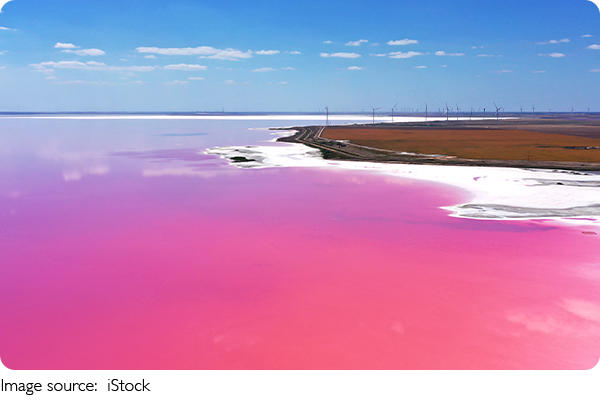
Lake Retba, also known as Lac Rose, lies northeast of Dakar on the Cap Vert Peninsula and is famous for its pink‑tinged water produced by microalgae in its high‑salt environment. Throughout the dry season, the vivid hues are most pronounced against the golden dunes and salt flats.
Getting There: From Dakar, it’s about a 45‑minute to 1‑hour drive by car or taxi. Local guides often offer tours that include the lake and insights into traditional salt harvesting.
Entrance Fee: There is no official entrance fee recorded for general lake access, but organized tours or guides will have their own costs.
Best Time to Visit: During the dry season (November–June), when colors are strongest and evaporation intensifies the algae’s pigments.
What to Do? Walk along the shores, watch salt harvesters at work, and enjoy panoramic views that are especially dramatic at sunrise or sunset.
Where to Stay?
- Mid-range: Novotel Dakar – $150–$220/night
- Luxury: Radisson Blu Hotel, Dakar – $250–$400/night
- Budget: Hotel Mediterranee Dakar – $60–$120/night
Where to Eat?
Le Lagon 1: Seafood with ocean views – $20–$40 per person
La Fourchette: Senegalese and French cuisine – $15–$30 per person
Chez Loutcha: Casual local dishes – $10–$20 per person
3. Lake Pehoé — Chile’s Turquoise Jewel
Lake Pehoé sits in the spectacular Torres del Paine National Park of southern Chilean Patagonia. Its vibrant turquoise waters reflect the jagged peaks of the Paine massif, creating one of South America’s most iconic landscapes.
Getting There: Most visitors arrive via Puerto Natales, the gateway town about 145 km south of the lake. From there, buses, shuttles, guided tours, or rental cars can take you into Torres del Paine National Park.
Entrance Fee: National park entrance fees vary with season and nationality but typically must be purchased in advance. Tickets are per person and should be secured 24 hours before visiting.
Best Time to Visit: Patagonia’s peak season runs from December to February, offering long daylight hours and easier access to hiking trails. Shoulder seasons in spring and autumn offer fewer crowds and dramatic light for photos.
What to Do? Hike easy lakeside trails, enjoy viewpoints like Salto Grande, or take boat transfers for deeper exploration of park landscapes.
Where to Stay?
- Mid-range: Hotel Costaustralis – $120–$200/night
- Luxury: Explora Patagonia – $900–$1,500/night (all-inclusive)
- Budget: Hostal Patagonia – $50–$100/night
Where to Eat?
- Santolla: Seafood and Patagonian specialties – $20–$40 per person
- Mesita Grande: Casual family-friendly meals – $15–$25 per person
- The Bagual: Argentine-style grill – $25–$45 per person
4. Lake Nakuru — Kenya’s Flamingo Lake
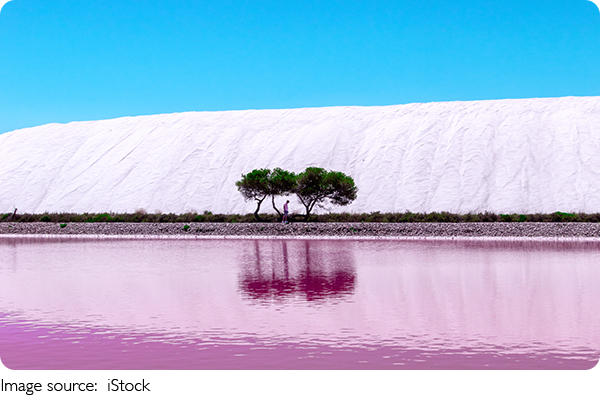
In the heart of the Great Rift Valley, Lake Nakuru is a shallow alkaline lake known for the incredible spectacle of flamingos that circle its shores. While the lake itself may not always be neon in color, the millions of pink birds feeding on algae create a spectacular sight that transforms the landscape.
Getting There: The lake sits inside Lake Nakuru National Park, about 160 km northwest of Nairobi. Most visitors drive along the Nairobi‑Nakuru highway, or book a safari tour from the capital.
Entrance Fee: For non‑resident visitors is around US$90 per 24‑hour period. Fees support conservation and wildlife protection.
Best Time to Visit: The dry months from June to September bring excellent wildlife viewing conditions, clearer roads, and higher flamingo counts.
What to Do? Enjoy wildlife drives — seeking rhinos, giraffes, lions, and more — and witness the flamingo spectacle, which sometimes blankets the shoreline in vivid pink. Birdwatching and photography are highlights.
Where to Stay?
- Mid-range: Lake Nakuru Lodge – $150–$250/night
- Luxury: Sarova Lion Hill Game Lodge – $300–$500/night
- Budget: Nakuru Backpackers Lodge – $40–$80/night
Where to Eat?
- Bella Vista Restaurant: Italian & continental – $15–$30 per person
- Hugh’s Grill: Casual meals and barbecue – $10–$25 per person
- Carnivore Restaurant Nakuru: Kenyan specialties – $20–$40 per person
While some require careful travel planning and advance bookings, the reward is unforgettable scenery that will stay with you long after your trip ends. Plan your season wisely, respect local rules and conservation efforts, and prepare your camera — these dazzling waters are worth every mile traveled.