Battle of the Bikes

Adrian
| 04-02-2026
 · Automobile team
Walking past a dealership today, it's easy to notice the diversity on display: sleek sport bikes, rugged adventure machines, and electric models that look like they've come straight from the future.
Each motorcycle carries a brand identity, a promise of performance, and a unique appeal to different types of riders.
The global motorcycle market is not just about selling vehicles—it's a battleground of innovation, loyalty, and strategy.
1. Brand Positioning and Identity
Every leading motorcycle brand carefully crafts an image that distinguishes it from competitors. Positioning affects marketing, design, and customer perception.
Performance-focused brands: Some brands emphasize speed, handling, and engineering excellence. Sport motorcycles with high horsepower and aerodynamic designs cater to thrill-seekers who prioritize performance above all.
Lifestyle-oriented brands: Other brands highlight adventure, freedom, and style. Cruisers and touring bikes often feature customizable options, comfortable seating, and accessories that enhance long-distance riding experiences.
Eco-conscious and futuristic brands: Electric motorcycle brands focus on sustainability and advanced technology. Sleek designs, digital interfaces, and zero-emission motors appeal to environmentally minded riders and early tech adopters.
Clear brand identity helps manufacturers attract and retain specific rider segments, building loyalty and recognition in a crowded market.
2. Innovation and Product Differentiation
Staying ahead in the motorcycle industry requires constant innovation. Differentiating products through technology, design, and performance is key.
Advanced engine technology: High-performance engines, turbocharging, and hybrid systems provide power and efficiency advantages, giving certain brands a competitive edge.
Smart features and connectivity: Digital dashboards, app integration, GNSS, and safety systems like traction control or adaptive lighting enhance user experience and differentiate offerings.
Customizability: Offering modular parts, aftermarket accessories, and color options allows riders to personalize bikes, increasing appeal and perceived value.
Innovation ensures that brands remain relevant while providing riders with tangible reasons to choose one manufacturer over another.
3. Marketing Strategies and Global Reach
How a brand communicates and engages with riders can make or break its position in the market. Marketing strategies extend far beyond traditional advertisements.
Experiential marketing: Hosting track days, riding tours, or demo events allows potential buyers to experience the thrill firsthand, creating a strong emotional connection with the brand.
Digital campaigns: Social media, influencer partnerships, and targeted ads help brands reach global audiences quickly and efficiently, increasing visibility among tech-savvy riders.
Dealer networks and partnerships: Strong global distribution channels ensure accessibility, while collaborations with lifestyle and tech brands enhance brand image and reach.
Effective marketing reinforces brand identity and drives sales while creating a community around the motorcycle experience.
4. Competitive Challenges
Even top brands face hurdles that require strategic thinking and adaptation.
Price competition: Rising costs of materials, advanced technology, and electric components can pressure brands to balance affordability with quality, requiring careful pricing strategies.
Shifting consumer preferences: Rider tastes evolve, and brands must anticipate trends such as electric mobility, urban commuting, or adventure touring to avoid losing relevance.
Regulatory compliance: Emissions standards, safety requirements, and licensing rules vary globally, demanding continuous adjustments in design and engineering to meet regulations.
Navigating these challenges successfully is essential for maintaining a strong competitive position in the global market.
Future Opportunities
The global motorcycle industry continues to evolve, offering growth opportunities for brands willing to innovate and adapt.
Electric mobility expansion: Investing in electric motorcycles and hybrid models positions brands as forward-thinking and environmentally conscious, attracting new rider segments.
Connected experiences: Integrating smart features, telematics, and subscription-based services creates new revenue streams and enhances rider engagement.
Lifestyle and community building: Organizing global events, rider clubs, and online communities strengthens brand loyalty, turning buyers into advocates who promote the brand organically.
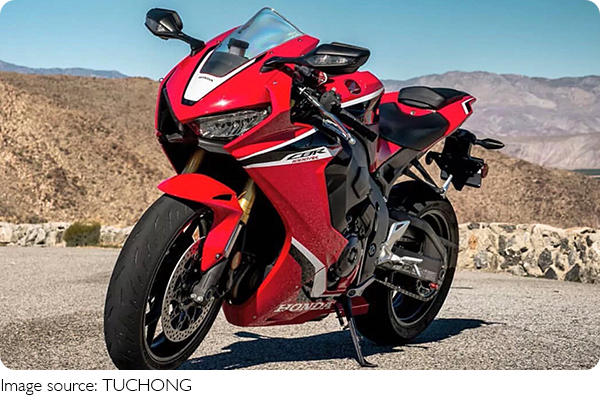
The competition among international motorcycle brands is fierce, but those that innovate, understand their riders, and adapt to changing trends are poised to lead the market. For riders, this means a constant stream of exciting options, cutting-edge technology, and experiences that go beyond the ride itself.