Macarons

Santosh Jha
| 09-03-2026
 · Cate team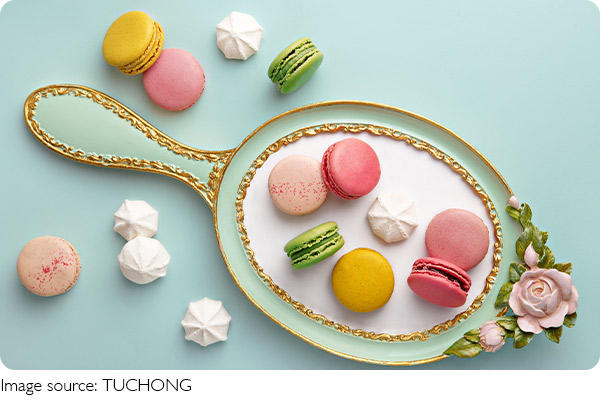
Walk past a pastry window and your eyes land on them instantly.
Neat rows of small round treats glow in green, pink, yellow, and soft purple. Even before you taste one, you feel like you already know the flavor.
That reaction isn't an accident. The colorful look of macarons is part science, part craft, and part smart design meant to guide your senses before the first bite.
Color helps you guess the flavor
Visual cues, Fast recognition, Expectation setting
Macarons are small, so color does a lot of work in a short moment.
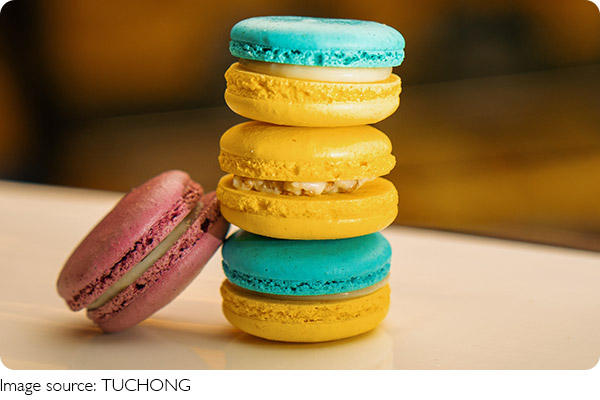
1. When you see a bright green shell, you expect something fresh and nutty. A pale yellow one hints at citrus or something creamy.
2. Color prepares your brain before taste kicks in. Studies on perception show that people often “taste” with their eyes first.
3. Actionable example: when baking at home, match one clear color to one flavor. This helps guests choose without asking and avoids confusion.
Without color, macarons would all look the same, and the experience would feel flat before it even begins.
The base recipe is naturally neutral
Light ingredients, Blank canvas, Easy tinting
Macaron shells are made from ingredients that don't add much color on their own. That's a big reason they can take on bright shades so easily.
1. The mixture bakes to a pale, off-white tone.
2. This neutral base allows even small amounts of coloring to show clearly.
3. Practical tip: use gel-based coloring instead of liquid. It keeps the texture stable while giving strong color.
Because the shell starts plain, bakers can control the final look with precision.
Color reflects careful baking skill
Even mixing, Controlled heat, Consistent results
Bright macarons aren't just about looks. They quietly show how skilled the baker is.
1. Uneven mixing leads to streaks or dull patches.
2. Incorrect oven temperature can fade or brown the color.
3. Actionable step: bake a small test batch first. Adjust heat slightly until the color stays true after cooling.
When colors come out smooth and consistent, it signals that the process was handled with care from start to finish.
Display matters in small desserts
Visual contrast, Shelf appeal, Instant attraction
Macarons are often sold individually, not hidden inside packaging. Their colors help them stand out.
1. Bright shades create contrast when displayed together.
2. A wide color range makes the display feel generous and exciting.
3. Try this approach: arrange colors from light to dark instead of random placement. It makes the display calmer and more inviting.
In a crowded pastry case, color is what makes people stop walking.
Tradition shaped the modern look
Classic roots, Modern creativity, Evolving style
Early versions of macarons weren't always colorful. Over time, bakers leaned into color as techniques improved.
1. Better ovens allowed more precise temperature control.
2. Improved coloring ingredients made shades more stable.
3. Actionable insight: modern macarons often pair subtle colors with bold fillings. Balance the outside and inside rather than making everything intense.
What started simple grew into a form of edible design.
Color affects how sweet it feels
Mind influence, Flavor balance, Taste perception
Interestingly, color can change how sweet or rich something seems, even if the recipe stays the same.
1. Bright colors often feel lighter and more playful.
2. Softer tones suggest a calmer, smoother taste.
3. Practical example: if a filling is rich, use a lighter shell color to avoid overwhelming the senses.
The shell's shade quietly shapes how the flavor is received.
Why bakers avoid natural browning
Clean finish, Texture control, Visual clarity
Unlike many baked goods, macarons aren't meant to turn golden.
1. Browning dulls the intended color.
2. It also signals overbaking, which affects texture.
3. Actionable step: use an oven thermometer. Even small heat differences can change the final look.
Keeping colors clean means keeping the bake precise.
Macarons are colorful because color carries meaning. It tells you what to expect, shows the baker's control, and turns a small dessert into something memorable before it's even tasted. Next time you choose one, notice how quickly your hand moves toward a certain shade. That decision happens faster than you think, and it starts long before flavor ever reaches your tongue.