Short-Haired Cats

Nolan O'Connor
| 05-02-2026
 · Animal team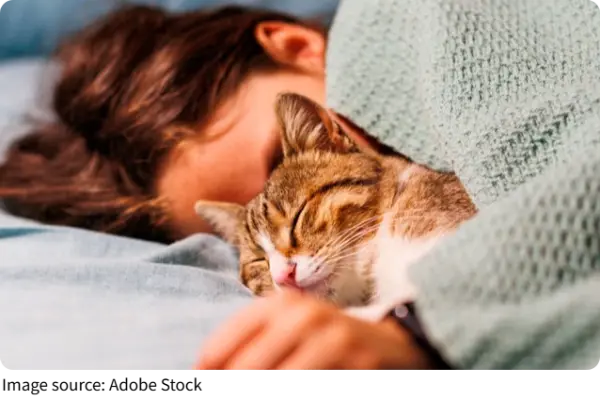
Watching a short-haired cat dash across the room with effortless grace, you might wonder why so many people adore them. Sleek, agile, and endlessly curious, these cats have won hearts around the world.
Their low-maintenance coat is just the beginning; their personalities, health benefits, and playful antics make them ideal companions for a wide range of households.
Let's explore what makes short-haired cats such appealing pets and how to care for them.
Characteristics and Personality
Short-haired cats are more than just a coat type—they carry distinct personality traits that make them versatile companions.
Playful energy – Many short-haired breeds, like the American Shorthair or the Abyssinian, are naturally energetic and love interactive play. Toys, climbing trees, and laser pointers keep them engaged and mentally stimulated.
Sociable nature – Short-haired cats often enjoy human company and can adapt well to families, singles, or shared homes with other pets.
Curiosity and intelligence – Their inquisitive nature drives them to explore new spaces, making puzzle feeders and treat-dispensing toys perfect for keeping them entertained.
Example: Introduce a rotating set of toys weekly to prevent boredom. A short-haired cat may quickly learn to chase a ball across the room or solve a simple treat puzzle.
Grooming and Maintenance
One of the biggest perks of short-haired cats is how easy they are to maintain compared with their long-haired counterparts.
Minimal brushing – Their short coat requires brushing only once or twice a week to remove loose hairs and reduce shedding.
Bathing needs – Short-haired cats rarely need baths. Occasional wipes or a gentle rinse suffice, saving time and stress for both owner and cat.
Health checks – Regular nail trims, ear checks, and dental care complement their grooming routine and prevent minor issues from becoming serious.
Actionable tip: Use a soft-bristle brush during weekly grooming sessions. It helps reduce shedding, stimulates skin, and allows you to check for bumps or irregularities.
Health Benefits and Longevity
Short-haired cats are often considered hardy and generally enjoy good health.
Lower risk of matting-related issues – Their coat reduces the chance of tangles and skin infections that long-haired cats sometimes face.
Active lifestyle – Their playful behavior supports cardiovascular health and muscle strength, keeping them agile as they age.
Lifespan considerations – Proper diet, regular vet visits, and enrichment can allow short-haired cats to live well into their teens or even early twenties.
Example: Providing a mix of dry and wet food and encouraging daily play sessions ensures your short-haired cat maintains a healthy weight and strong muscles.
Adaptability to Living Spaces
Short-haired cats are remarkably adaptable, making them suitable for apartments, houses, and busy households.
Compact and flexible – Their sleek bodies allow them to navigate small spaces easily, making them perfect for urban living.
Comfort with other pets – They often coexist peacefully with dogs or other cats, provided introductions are gradual and supervised.
Travel and relocation – Short-haired cats usually handle carrier trips and moving day stress better than long-haired breeds because their coat is less cumbersome.
Example: Create vertical spaces like shelves or cat trees to expand their environment in smaller homes. This satisfies their climbing instincts without requiring a large floor area.
Behavior and Training Tips
Understanding behavior is key to a harmonious relationship with your short-haired cat.
Litter habits – Most short-haired cats adapt quickly to litter boxes if they are kept clean and placed in quiet, accessible areas.
Positive reinforcement – Reward-based training works best. Treats, gentle praise, and clicker training can help teach tricks or curb unwanted behaviors.
Play and mental stimulation – Short-haired cats thrive with daily interactive sessions. Puzzle toys, laser pointers, and short bursts of play prevent boredom and anxiety.
Actionable tip: Set aside 10–15 minutes twice a day for interactive play. Rotate toys to keep your cat engaged and mentally stimulated.
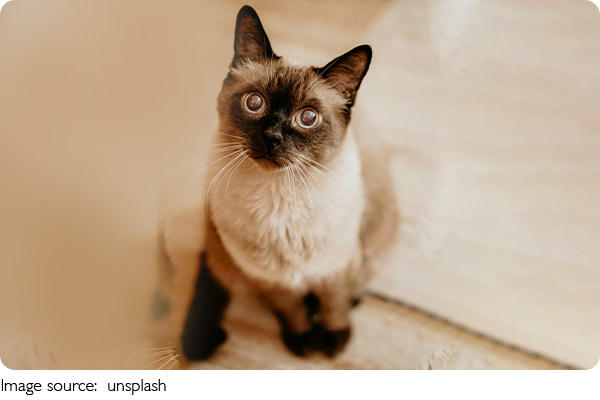
Short-haired cats combine elegance, playful charm, and low-maintenance care, making them ideal for almost any household. Their friendly disposition, adaptability, and engaging personalities allow owners to enjoy companionship without the extensive grooming required by long-haired breeds.
Bringing a short-haired cat into your home means welcoming a sleek, lively, and loving friend who can brighten daily routines with curiosity, mischief, and affection.
By understanding their needs and providing proper care, you'll create a long-lasting bond with a pet that thrives in both small apartments and spacious homes alike.