Italian Ingredients

Nolan O'Connor
| 21-04-2026
 · Cate team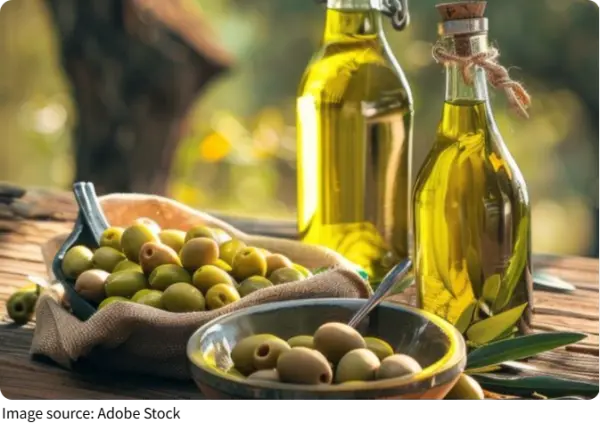
There's something magical about the flavors in Italian cooking—the aroma of garlic sizzling in olive oil, the sweetness of fresh tomatoes, and the rich taste of herbs that seem to make every dish sing.
Achieving that authentic taste at home starts with knowing the right ingredients. With a handful of staples, even simple meals can feel like they belong in a cozy Italian trattoria.
1. Olive Oil: The Foundation
Olive oil is the backbone of Italian cooking. Extra premium olive oil adds depth, richness, and a touch of fruitiness to both cooked dishes and raw preparations. Choosing quality oil makes a noticeable difference in flavor.
For example, drizzle high-quality olive oil over a fresh Caprese salad of sliced tomatoes and mozzarella before sprinkling salt and fresh basil. Use oil as the base for sautéing garlic or vegetables instead of butter for a lighter, fruitier taste. A practical tip: store olive oil in a cool, dark place to prevent it from turning bitter or losing aroma, ensuring every dish retains its authentic flavor.
2. Fresh Herbs: Simple but Powerful
Italian dishes often rely on fresh herbs like basil, parsley, rosemary, and thyme. They're used sparingly but make a huge difference, elevating simple ingredients with aromatic complexity.
Example: for a classic tomato sauce, simmer crushed tomatoes with a few fresh basil leaves and a pinch of oregano. Adding herbs at different stages—some while cooking, some at the end—balances flavor. Keep herbs fresh by storing them in water like flowers or in airtight containers in the fridge. This ensures you can enhance sauces, pastas, or roasted vegetables anytime.
3. Garlic and Onions: Aromatic Essentials
Garlic and onions form the flavor base for countless Italian recipes. They provide savory depth and complement other ingredients without overpowering them.
Step-by-step example: for a pasta sauce, sauté finely chopped onions in olive oil until soft, then add minced garlic for a minute before adding tomatoes. This layering builds a foundation of flavor. Roasting garlic brings out natural sweetness, perfect for spreads or mixed into mashed potatoes. Learning how to control heat and timing is key—garlic burns quickly, but when done right, it adds an unmistakable richness.
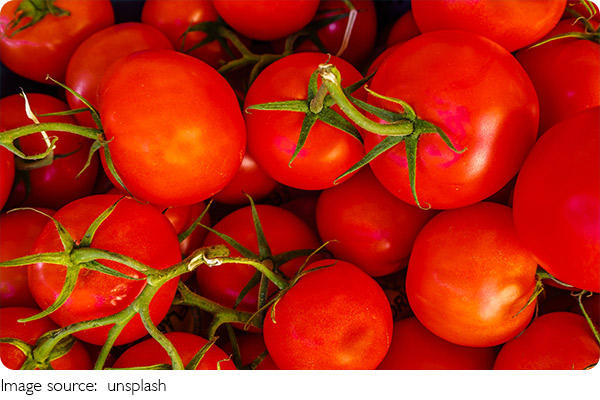
4. Tomatoes: Fresh and Canned
Tomatoes are central to Italian cooking, whether fresh, sun-dried, or canned. Each type offers different uses: fresh for salads and bruschetta, canned for sauces and stews.
Practical tip: when making a simple tomato sauce, combine canned San Marzano tomatoes with olive oil, garlic, and herbs. Simmer slowly to develop natural sweetness and depth. Fresh tomatoes can be sliced and roasted with olive oil and thyme for a side dish or topping. Balancing acidity and sweetness is the secret to versatile tomato-based dishes.
5. Cheese: Flavor and Texture
Italian cuisine features a variety of cheeses—parmesan, pecorino, mozzarella, ricotta—each with unique texture and flavor. Cheese adds richness and complements both simple and complex dishes.
Example: shave fresh parmesan over spaghetti aglio e olio, or layer mozzarella in a baked lasagna. Ricotta can be incorporated into stuffed pasta or desserts like cannoli. Using cheese thoughtfully, in moderation, enhances the dish without overpowering it. Store cheese properly in the fridge wrapped in parchment to maintain flavor and texture.
6. Pasta and Grains
Pasta is a versatile Italian staple, but other grains like risotto rice or polenta are equally essential. Choosing quality pasta or grains ensures better texture and flavor.
Example: cook pasta until al dente, then toss with olive oil, garlic, and fresh vegetables for a light meal. For risotto, slowly stir arborio rice with broth, allowing it to release starch and achieve a creamy consistency. Simple attention to cooking times and liquid ratios turns basic grains into authentic Italian dishes.
Italian cooking is about combining simple, high-quality ingredients with care and attention. Mastering olive oil, fresh herbs, garlic, onions, tomatoes, cheese, and pasta forms a foundation for countless dishes. By keeping these staples on hand and learning their unique roles, even home cooks can create meals with authentic flavors, aroma, and satisfaction that capture the heart of Italy. Cooking becomes more than following a recipe—it becomes an enjoyable experience that highlights fresh ingredients and thoughtful preparation.