Cape Peron Coastal Walk

Mason O'Donnell
| 06-02-2026
 · Travel team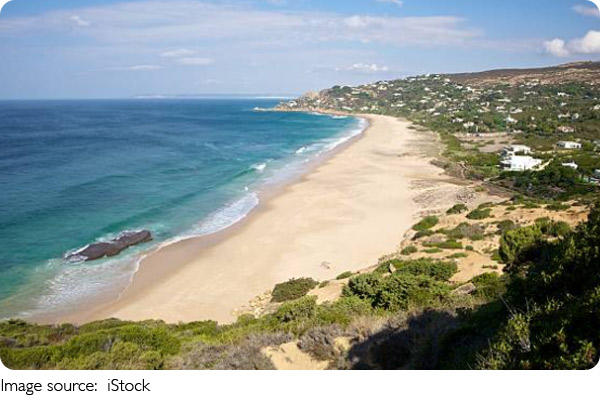
The path starts with loose sand that shifts slightly under each step, the kind that slows you down whether you want it to or not.
By the time the ocean first appears between low shrubs, the air already smells sharper, carried in steady bursts of wind from the open water.
I arrived just after the sun cleared the horizon, when the parking area was still mostly empty and the only sound was waves folding gently against rock. Walking farther along the trail meant choosing between stopping often to look out across the turquoise shallows or pushing ahead toward the next bend, knowing each turn revealed a slightly different color of sea.
What matters most here isn't how many viewpoints you reach, but how you move through the space. The coastline stretches in a way that invites slow walking rather than quick sightseeing. Because access requires a short but uneven walk across sand and low limestone, casual crowds thin out naturally. That small barrier changes behavior: people speak more quietly, stay longer in one spot, and notice details like tiny ripples in clear water or the shifting pattern of clouds reflected in sheltered pools. The result is an experience that feels less like visiting a landmark and more like borrowing a quiet piece of shoreline for a while.
Entry cost: Free
Best arrival window: before 10:00 a.m. for easier parking and softer light
Walking distance: short coastal trails with uneven sand and rock sections
Facilities nearby: restrooms and picnic areas within driving distance
Mobile signal: generally stable but weaker along lower coves
Arriving early changes everything. Before mid-morning, the water often sits almost perfectly clear, and reflections remain undisturbed by wind. Photographers tend to move quickly between coves at that hour, while swimmers step in slowly, adjusting to the cool temperature that feels sharper in shaded inlets. After late morning, the rhythm shifts—more footsteps on the trail, longer pauses at lookout points, and fewer empty stretches of sand. Neither moment is wrong, but the emotional tone is completely different. If you want stillness, come early. If you prefer a livelier shoreline with gentle background conversation, later hours provide that naturally.
Where you stay nearby quietly shapes the whole visit. Lodging closer to the coast means you can reach the trailhead within minutes, making sunrise walks realistic instead of aspirational. Nights feel calmer too, with steady ocean wind replacing traffic noise. Staying farther inland usually offers easier access to shops and dining, but it adds planning pressure—you have to choose a departure time, check conditions, and commit to the drive. The trade-off becomes one of rhythm: coastal stays favor spontaneity and slow mornings, while inland stays favor convenience and structure. Neither is better; they simply lead to different kinds of days.
Local habits reveal themselves in subtle ways.

1. People carry more water than they think they need, because shaded areas along the trail are limited and the wind can hide how warm the sun feels. Without enough water, the return walk feels longer than expected.
2. Many visitors pause before the final rocky edges rather than rushing forward, since waves can shift suddenly against low stone. Waiting a minute shows the safe pattern. Skipping that pause risks wet shoes and a hurried retreat.
3. Shoes with firm grip are common even for short walks. Sand alone seems easy, but mixed surfaces appear quickly. Light footwear makes the path feel unstable, while proper soles keep the walk relaxed.
None of these behaviors are dramatic, yet together they create the calm, unhurried atmosphere the place is known for among those who return more than once.
As the afternoon light lowers, colors along the water deepen from pale turquoise to heavier blue, and the wind usually grows steadier. People begin drifting back toward the parking area in loose intervals, not all at once, as if no one wants to be the first to leave. Standing there a little longer, watching the surface of the sea change shade by shade, it becomes clear that the value of Cape Peron isn't a single viewpoint or photograph. It's the quiet permission to slow your pace until the day feels wide again.
And when you finally turn back along the sandy path, the question isn't whether you saw everything—it's whether you stayed long enough to feel the place settle into your own rhythm.