Power from Moving Air

Ethan Sullivan
| 06-02-2026
 · Travel team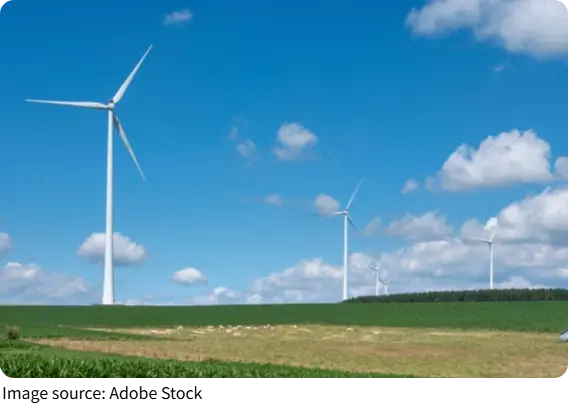
On certain hills or along open coastlines, tall white towers turn slowly against the sky.
At first glance, they seem almost motionless, yet each steady rotation is quietly producing electricity for homes, schools, and streetlights miles away.
Wind turbines don't roar or flash; they simply keep moving, transforming an invisible breeze into something useful every single day.
How wind turbines turn motion into electricity
The basic idea behind wind power is surprisingly simple. Moving air pushes long blades, causing a rotor to spin. That spinning motion travels through a shaft into a generator, where mechanical energy becomes electrical energy ready for the grid.
1. Wind flows across curved blades, creating lift that keeps them turning.
2. The rotor connects to internal components that increase rotational speed.
3. A generator converts the motion into steady electrical output.
You can picture this process by thinking about a bicycle light powered by pedaling. The faster the wheel spins, the brighter the light becomes. Wind turbines follow the same principle, only on a much larger scale and powered by nature instead of human effort.
This elegant system brings meaningful advantages: Clean production, Renewable supply, and Lower emissions. Because wind never needs to be mined or transported, energy arrives without many of the hidden steps required by older power sources.
Why location matters so much
Not every place is suitable for wind generation. Consistent airflow is essential, which is why turbines often appear on ridges, plains, or offshore areas where wind moves freely without tall obstacles blocking its path.
1. Higher elevation usually means stronger and steadier wind.
2. Open water allows uninterrupted airflow across long distances.
3. Rural spacing reduces interference from buildings or trees.
A practical way planners evaluate a site is by installing temporary measurement towers that record wind speed for months or even years. This long-term data helps confirm whether a location can support reliable electricity production before construction begins.
Careful placement ensures turbines operate efficiently rather than standing still during calm weather. When positioned well, they provide dependable energy for decades with relatively modest maintenance.
What modern turbine design improves
Early windmills looked very different from today's sleek turbines. Advances in materials, aerodynamics, and digital monitoring have dramatically increased performance while reducing wear.
1. Lightweight composite blades capture more energy from gentle breezes.
2. Taller towers reach stronger winds found higher above the ground.
3. Smart sensors adjust blade angles automatically for changing conditions.
An actionable example of this progress appears in variable pitch control. When wind becomes too strong, blades rotate slightly to reduce pressure, protecting internal parts from strain. When wind weakens, the angle shifts again to capture as much motion as possible. This constant adjustment keeps electricity flowing smoothly across changing weather.
These refinements deliver clear benefits: Higher efficiency, Longer lifespan, and Steadier output. Technology doesn't remove nature's variability, but it helps turbines respond intelligently rather than passively.
How wind energy fits into daily life
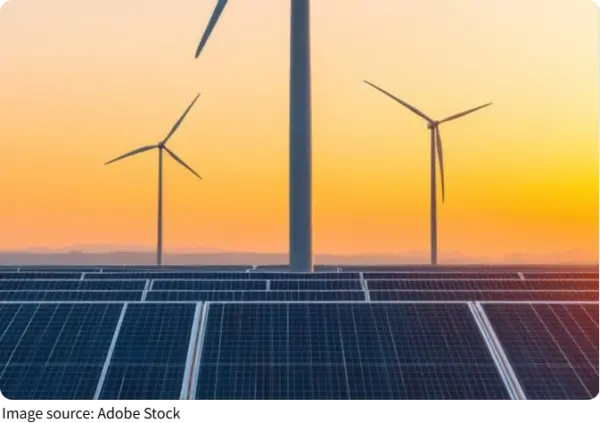
Most people never see where their electricity begins. You flip a switch, and light appears instantly. Wind power blends into this invisible system, feeding energy into regional grids alongside other sources.
1. Utility companies balance supply from multiple generators to match demand.
2. Energy storage systems help smooth out short-term changes in wind speed.
3. Transmission lines carry electricity from remote wind farms to cities.
If you want a tangible connection, look at a household electricity bill that lists renewable energy participation. Some providers allow customers to choose plans supported partly by wind generation, offering a direct way to encourage cleaner production without changing daily habits.
Communities near turbines sometimes gain additional benefits such as local jobs, improved infrastructure, or shared revenue that supports schools and public services. The spinning blades become part of the landscape as well as the economy.
Challenges that still need solutions
Despite clear advantages, wind power isn't perfect. Engineers and planners continue working through practical concerns that shape future development.
1. Electricity output changes with weather patterns.
2. Large structures require careful environmental planning.
3. Long-distance transmission can be complex and costly.
One important step forward is grid-scale battery storage. By saving extra electricity during windy periods and releasing it later, storage systems reduce fluctuations and make renewable energy more dependable throughout the day.
Ongoing research also explores quieter blade shapes, recyclable materials, and floating offshore platforms that expand where turbines can operate. Each improvement moves wind energy from helpful supplement toward major foundation.
Watching turbine blades rotate slowly across an open horizon can feel strangely calming. They remind us that useful power doesn't always need noise, pollution, or urgency. Sometimes it arrives through patience and steady motion, shaped by air we can't even see.
As more landscapes welcome these quiet machines, the meaning of energy begins to shift—from something extracted and consumed to something gently gathered. And in that steady turning, there's a quiet promise that tomorrow's electricity can feel a little lighter than yesterday's.