Maldives Travel Essentials

Liam Reilly
| 06-02-2026
 · Travel team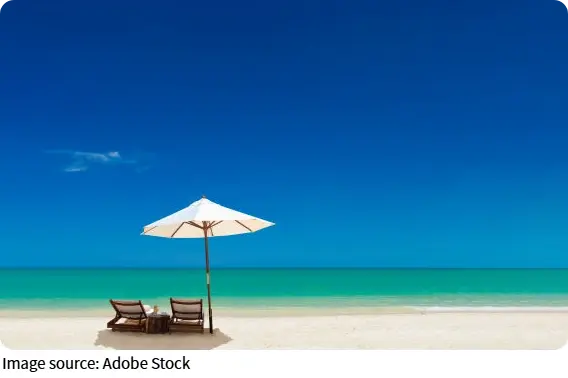
The gentle sound of waves lapping against a wooden jetty and the warm salt breeze brushing your face set the tone for your Maldives adventure. You unpack your bag on a tiny island, realizing that even paradise requires preparation.
From budgeting to local transport, each decision shapes the experience—and getting the basics right ensures you can enjoy the turquoise waters without surprises.
Setting a Realistic Budget
The Maldives is often seen as a luxury destination, but careful planning can make a trip accessible to a wider range of travelers.
1. Accommodation – Guesthouses on local islands typically cost between $80–$150 USD per night. Overwater villas on private resort islands start around $400 USD and can exceed $1,500 per night. Booking at least three months in advance often secures lower rates.
2. Flights – Round-trip airfare from Europe or North America usually ranges from $700–$1,200 USD, depending on season and airline. Consider flexible dates for savings.
3. Meals – Eating on local islands is more affordable, with meals around $5–$15 USD. Resort restaurants can exceed $50 USD per meal. Budget for snacks, bottled water, and occasional splurges.
4. Excursions – Snorkeling trips, dolphin cruises, and island hopping typically cost $40–$120 USD per activity. Booking directly with local operators often reduces fees.
Practical tip: Plan for at least $150–$200 USD per day per person for a balanced mix of accommodation, food, and activities on a local island stay. For luxury resort experiences, daily expenses can easily reach $500–$800 USD.
Travel and Transport Logistics
The Maldives is an archipelago of over 1,000 islands, so transportation planning is essential.
• Domestic Flights – Internal flights between Malé (the capital) and distant atolls range from $100–$250 USD one-way. They’re quick but require early booking, especially during peak season (December–April).
• Seaplanes and Speedboats – Resorts often provide transfers from Malé via seaplane ($200–$500 USD) or speedboat ($50–$150 USD). Confirm timings and luggage restrictions in advance.
• Local Ferries – A cost-effective way to travel between inhabited islands, typically $2–$15 USD per trip, but schedules can be limited.
Timing is crucial. For example, if your international flight arrives late, ensure that your connecting domestic transfer is still available. Otherwise, you may need to spend a night in Malé.
Packing Smart for Island Life
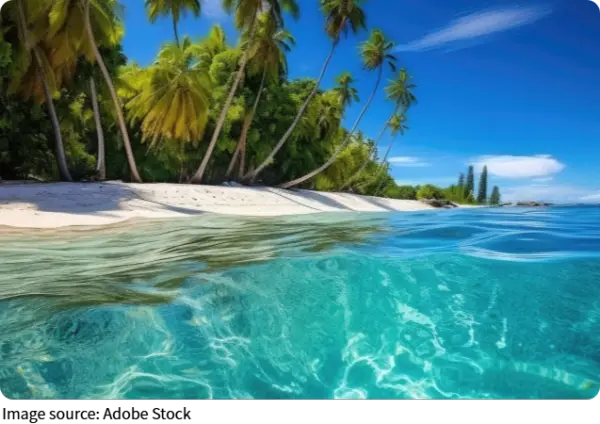
Packing correctly ensures comfort and avoids unnecessary expenses. Essentials include:
1. Lightweight Clothing – Breathable, sun-protective clothing, including rash guards for water activities.
2. Snorkeling Gear – Many resorts provide gear, but bringing your own ensures proper fit and hygiene.
3. Sunscreen and Insect Repellent – Reef-safe sunscreen ($15–$30 USD) protects marine life and skin.
4. Travel Adapters and Power Banks – Most resorts have limited outlets; a portable charger keeps devices ready for photos and navigation.
5. Waterproof Bags – Protect electronics and important documents during boat transfers and excursions.
Don’t overpack; islands are small, and luggage storage is limited.
Health, Safety, and Local Considerations
Safety and respect for local customs enhance the experience:
• Vaccinations and Health – Routine immunizations are recommended. Bring a small first-aid kit for cuts, sunburn, or minor insect bites.
• Respecting Local Culture – On inhabited islands, modest clothing is appreciated, especially when away from resort beaches. Swimwear is fine on resort property but not on local streets.
• Environmental Responsibility – Avoid single-use plastics, do not touch corals, and use reef-safe products to protect fragile ecosystems.
Practical tip: Staying hydrated is easy with bottled water, but some resorts offer filtered water stations—bring a refillable bottle to reduce waste.
Timing Your Visit
The best time to visit is the dry season, from December to April, with calm seas and clear skies. Expect higher prices during this peak season. The wet season (May–November) sees more rain and occasional storms, but offers lower accommodation costs and fewer crowds.
Morning excursions provide the clearest snorkeling visibility, and arriving at islands by midday ensures smooth check-in and enough daylight for a first swim.
Planning Activities
Maldives is more than beaches. To make the most of your stay:
1. Snorkeling and Diving – Coral reefs are abundant near most islands. Expect fees of $30–$50 USD for entry to snorkeling sites and $100–$150 USD for guided dives.
2. Island Hopping – Explore uninhabited islands via a half-day boat trip ($50–$80 USD).
3. Cultural Experiences – Visit local markets or community-run eco-tours to understand Maldivian traditions.
Booking activities through your accommodation often includes transport and equipment, simplifying logistics.
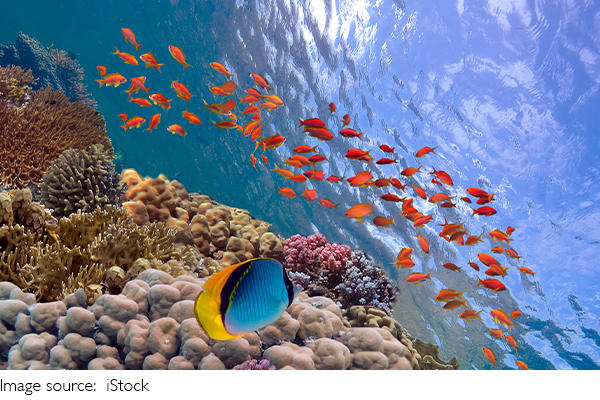
As the sun sets and the horizon turns shades of orange and pink, you realize that careful planning—budgeting, transport coordination, smart packing, and awareness of local customs—has allowed you to fully immerse in the island experience. Maldives is a paradise that rewards preparation. Every wave you ride, every coral you snorkel around, and every local interaction is more enjoyable when the basics are in place. A well-prepared traveler can enjoy not just the scenery but the rhythm of island life, creating memories that last long after departure.