Advantages of Small Cars

Daniel
| 27-02-2026
 · Automobile team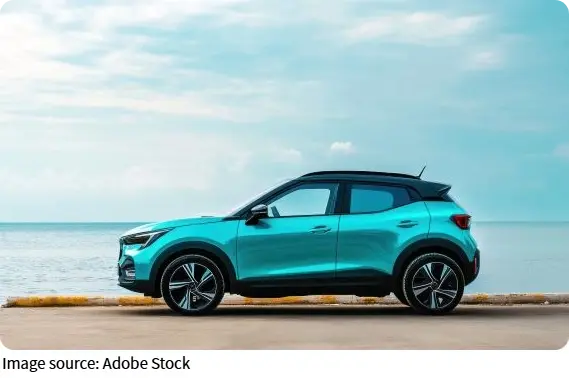
City streets can be chaotic, parking spots scarce, and traffic a daily headache. That's where small cars shine.
Their compact size and nimble design make maneuvering through tight spaces and congested roads far less stressful than with larger vehicles.
Beyond convenience, they also offer savings, efficiency, and surprisingly versatile performance that can suit many lifestyles.
Easy Maneuverability
Tight corners: Small cars can handle narrow streets and sharp turns more easily than bigger vehicles.
Parking made simple: Finding a parking spot in crowded areas becomes less of a challenge. Parallel parking is particularly easier with a smaller footprint.
Agile driving: Compact dimensions improve responsiveness in urban traffic and during sudden lane changes.
Example: In a downtown area with limited space, a driver in a compact hatchback can squeeze into a spot that would be impossible for a standard SUV.
Fuel Efficiency and Cost Savings
Lower fuel consumption: Smaller cars typically weigh less and have smaller engines, which reduces fuel usage.
Affordable maintenance: Parts and servicing for compact cars are usually less expensive than for larger models.
Insurance benefits: Insurance premiums for small vehicles are often lower due to reduced repair costs and safer urban handling.
Example: A commuter switching from a mid-size sedan to a compact car can save hundreds of dollars per year on fuel alone, making it ideal for daily city travel.
Environmental Impact
Reduced emissions: Smaller engines burn less fuel, producing fewer greenhouse gases per mile.
Efficient manufacturing: Building compact cars requires fewer raw materials, which lowers their overall environmental footprint.
Urban-friendly: Less congestion and lighter traffic contribute to lower city pollution levels when more drivers choose small cars.
Example: Choosing a compact electric or hybrid vehicle can further reduce emissions, making it a practical step toward eco-conscious living.
Practical Versatility
Flexible interiors: Many small cars have foldable seats or clever storage compartments, maximizing cargo space despite their size.
Weekend trips: Compact cars are surprisingly capable for short trips, offering enough room for luggage or sporting gear.
Ease of ownership: Smaller dimensions make garage storage and daily handling simpler, especially for single drivers or small families.
Example: A fold-down rear seat allows a small hatchback to carry a bike or boxes for a weekend move, demonstrating that size doesn't always limit functionality.
Enhanced Urban Safety
Visibility: Compact cars often provide better sightlines for city driving, allowing quicker responses to pedestrians and cyclists.
Reduced accident costs: Lower repair costs and easier handling can reduce financial stress after minor collisions.
Safer maneuvering: Nimble dimensions make it easier to avoid hazards like potholes, road debris, or sudden stops.
Example: Navigating a busy intersection with a smaller vehicle reduces the chance of sideswipe incidents and allows safer lane changes.
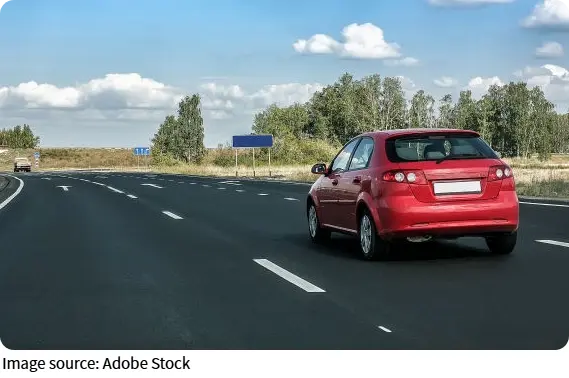
Choosing a small car is more than just a trend—it's a smart urban strategy. From saving money on fuel to finding parking without stress, compact vehicles prove that less can be more. With their practical versatility, eco-friendly potential, and ease of handling, they're well-suited for city life and beyond. For drivers seeking convenience, efficiency, and adaptability, a small car can transform daily travel into a smoother, more enjoyable experience.