Mysteries of Lake Natron
Caleb Ryan
| 14-02-2026
 · Travel team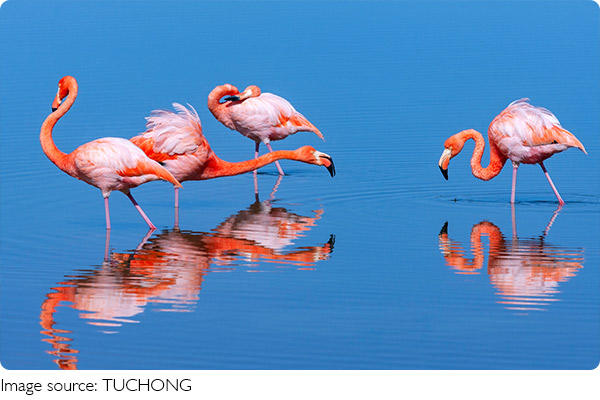
The sun is just peeking over the horizon, painting the vast red-tinged salt flats in shades of pink and orange. A soft, acrid scent drifts on the dry breeze, and in the distance, thousands of flamingos sway together, their reflections shimmering in shallow alkaline pools.
Standing here, it's impossible not to feel both awe and curiosity. Lake Natron isn't just a lake—it's a surreal ecosystem that looks like it belongs on another planet. Visiting it requires planning, patience, and an eye for the extraordinary.
Getting There and Around
Lake Natron sits in northern Tanzania, nestled within the East African Rift Valley. The journey itself is part of the adventure, as roads wind through remote savannahs and volcanic landscapes.
1. Transportation options – The closest major town is Arusha, about 300 kilometers away. From there, travelers usually take a 4x4 vehicle, as roads can be sandy and rough. Some tour operators offer guided trips including pickup, which ensures you avoid getting stuck on unmarked paths.
2. Timing your visit – The dry season, from June to October, is ideal. Roads are more passable, flamingos are abundant, and the skies are clear for photography. The wet season can make parts of the area inaccessible.
3. Local navigation – Hiring a local guide is highly recommended. Not only do they know safe routes and animal patterns, but they also provide context about the lake's unique geology and wildlife.
Tip: Arrive early in the morning to catch the best light for photographs and to experience the calm before midday winds pick up.
Unique Wildlife Encounters
Lake Natron is famous for its flamingos, which rely on the alkaline waters for breeding. The lake's high soda and salt content creates a shallow, reflective surface that is perfect for their nesting.
1. Flamingo behavior – Hundreds of thousands gather here between July and December. Watching them feed, preen, and take off in synchronized flocks is mesmerizing. Expect long periods of observation; patience rewards you with photos or simply a moment of wonder.
2. Other wildlife – While flamingos dominate, keep an eye out for hippos in deeper pools, as well as herds of gazelles and baboons in the surrounding savannah. Your guide can point out signs of these animals without disturbing the habitat.
3. Respectful viewing – Keep a distance of at least 20 meters from nests. Sudden movements or loud noises can cause birds to abandon their eggs, which are often camouflaged and easy to miss.
Example: One visitor spent an hour quietly observing a small flock as they waded through shallow water, learning to anticipate the moments when flamingos lifted their wings for takeoff—an experience far more immersive than a rushed photo stop.
Exploring the Alkaline Landscape
The lake itself is a chemical wonder. Its surface reflects intense red, pink, and white hues created by microorganisms that thrive in highly alkaline conditions.
1. Salt flats and crusts – Walk carefully across hardened salt crusts. Some areas are deceptively soft and can sink under weight. A guide will know which paths are safe.
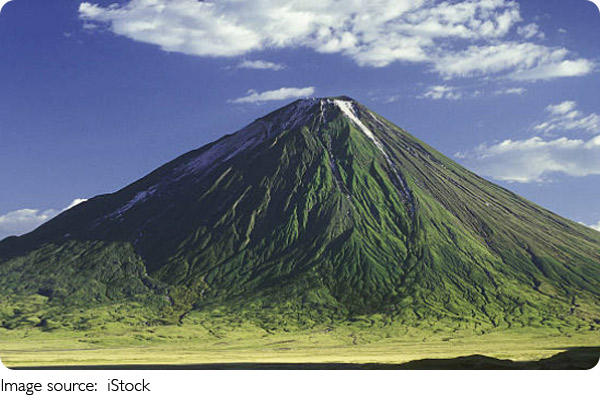
2. Volcanic formations – Nearby Ol Doinyo Lengai, the “Mountain of the Spirits,” adds dramatic peaks and lava flows to the view. You can plan a short hike along its base for sweeping perspectives of the lake below.
3. Photography opportunities – The reflective surfaces at sunrise or sunset create mirror-like images of flamingos and mountains. A tripod and wide-angle lens are recommended for capturing the full scene.
Tip: Keep your feet and equipment clean. The red alkaline mud can stain shoes, clothing, and camera gear. Waterproof boots and a small towel are practical essentials.
Planning for Comfort and Safety
Despite its beauty, Lake Natron is remote and requires careful preparation.
1. Accommodation – Options are limited to small lodges and campsites. Many travelers stay at eco-lodges near the lake, which provide basic amenities and meals. Prices range from $50 to $120 per night, depending on comfort level.
2. Food and water – Bring snacks, as facilities are limited. Water is often supplied by lodges, but carrying an extra 1–2 liters per person is wise.
3. Sun and heat protection – Temperatures can soar above 35°C. Hats, sunglasses, sunscreen, and lightweight long-sleeved clothing help prevent sunburn and heat exhaustion.
Practical tip: Plan your itinerary to include a mid-morning rest or shade break. The combination of bright reflection from the lake and intense sun can drain energy quickly.
Local Tips for a Rich Experience
To make the most of your visit, embrace both the natural rhythm of the area and cultural guidance.
1. Guided tours enhance learning – Local guides explain the chemistry behind the lake's alkalinity, the lifecycle of flamingos, and the geology of the Rift Valley.
2. Flexible schedules – Allocate at least two full days. Early mornings and late afternoons are prime times for wildlife and photography. Midday is best for exploring surrounding formations or taking short hikes.
3. Respect local customs – Some communities near the lake are semi-nomadic Maasai. A polite greeting and small gestures, like asking before taking photographs, are appreciated.
Example: Travelers who stayed an extra day observed flamingos nesting at closer range than usual, thanks to guides who knew which areas were least disturbed by human activity.
Reflecting on the Journey
By the end of the visit, the memory of Lake Natron isn't just about flamingos or the red-hued water—it's the sense of stepping into a raw, untouched environment where nature operates on a completely different rhythm. The quiet crackle of salt underfoot, the distant mountains, and the shimmering reflections create a lasting impression. Visiting Lake Natron teaches patience, observation, and respect for the delicate balance of life in extreme environments.
Next time you're planning a trip, consider the moments you want to feel, not just the sights you want to see. Standing at the edge of Lake Natron, watching a thousand flamingos rise into the pink dawn, you'll realize that some experiences are measured not in photos or checklists, but in quiet awe that stays with you long after you leave.