Trail Steps and Views

Naveen Kumar
| 06-02-2026
 · Travel team
The crunch of leaves beneath your boots, the rhythmic sway of your backpack, and the sudden glimpse of sunlight through the trees—there's something about a long hike that pulls you completely into the moment.
Walking trails isn't just exercise; it's a chance to reconnect with your senses and push your limits, even on familiar paths.
For anyone stepping onto a trail for the first time, knowing how to prepare and pace yourself transforms the experience from tiring to deeply rewarding.
Picking the Right Trail
Choosing a trail sets the tone for your hike. Not all paths are equal, and picking one suited to your level keeps the experience fun rather than exhausting.
1. Research trail length and difficulty – Start with shorter trails under 5 kilometers if you're new. Look for paths with gradual inclines rather than steep, technical climbs.
2. Check trail conditions – Some paths are muddy or rocky after rain, which can affect safety and pace. Online maps or local park websites often list trail conditions.
3. Identify key landmarks – Note water sources, viewpoints, or resting spots along the route. Knowing where breaks are planned keeps your energy steady.
Example: A beginner hiker might start with a loop trail that passes a small waterfall and a lookout point. This offers natural mini-goals and rewards along the way, keeping motivation high.
Gear and Footwear Essentials
Hiking isn't just walking; the right gear can prevent soreness, injury, or discomfort that could ruin the day.
1. Footwear – Invest in shoes with good grip and ankle support. Lightweight hiking shoes are perfect for smooth trails, while boots are better for uneven terrain.
2. Backpack essentials – Pack water, snacks, sunscreen, a hat, a light jacket, and a small first-aid kit. Even a short hike can become tricky without these.
3. Clothing layers – Trails can vary in temperature. Moisture-wicking shirts and layers help regulate body heat.
Tip: One hiker I know carries a collapsible trekking pole. It reduces strain on knees during downhill sections and helps with balance on uneven paths. Simple gear choices like this make longer hikes feel easier.
Mastering Your Pace
It's tempting to push yourself fast at the start, but steady pacing is key to enjoying every moment.
1. Start slower than usual – Your body warms up gradually and avoids early fatigue.
2. Use the talk test – If you can talk comfortably while walking, your pace is sustainable. If you're gasping, slow down.
3. Take mini breaks – Rest at landmarks, stretch, or sip water. Short pauses maintain energy and focus.
Practical example: On a 7-kilometer trail, plan to stop three times for 3–5 minutes. Each pause refreshes your legs and gives you a chance to notice surroundings—a birdcall, sunlight glinting off leaves, or a hidden stream.
Staying Safe and Alert
Hiking is peaceful, but awareness prevents accidents and ensures a smooth experience.
1. Trail etiquette – Yield to uphill hikers, stay on marked paths, and avoid disturbing wildlife.
2. Navigation – Carry a map, GPS, or a trail app. Check your location periodically. Even well-marked trails can be confusing in dense forests.
3. Monitor weather – Sudden changes can affect temperature and trail conditions. A short shower might turn a smooth path slippery.
Actionable tip: Set your phone to a “check-in” schedule. Every hour, send your location to a friend or family member. It adds safety without constant monitoring.
Enjoying the Mental Benefits
Beyond exercise, hiking strengthens mental clarity and reduces stress. The combination of movement, fresh air, and nature sights creates a natural reset for the brain.
1. Mindful observation – Notice the textures of bark, the patterns of clouds, or the sound of flowing water. Paying attention deepens your connection to the hike.
2. Reflective moments – Long stretches of trail provide uninterrupted thinking time. Many hikers solve problems or generate ideas mid-walk.
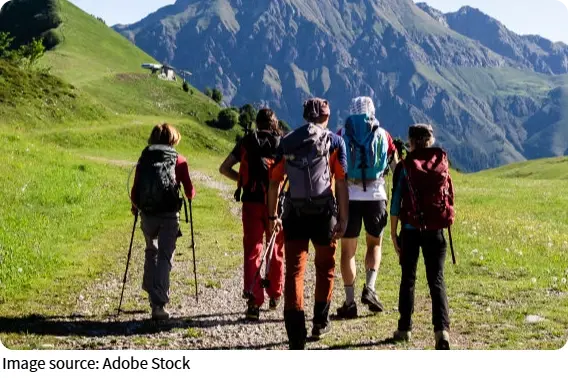
3. Social connection – Hiking with friends or family encourages conversation and shared experiences while maintaining personal space.
For example, taking a moment at a hilltop to sit quietly and watch the horizon can leave you feeling lighter, focused, and more energetic than before the hike.
Ending with Gratitude
By the time you step off the trail, muscles pleasantly tired and lungs full of fresh air, the hike leaves more than a sense of accomplishment. It sharpens awareness, refreshes the mind, and builds quiet confidence. Each trail teaches you something—about pacing, preparation, or simply noticing beauty in ordinary moments. Treat every hike as a chance to explore both the outdoors and your own limits. Walking these paths is more than exercise—it's a way to slow down, breathe fully, and reconnect with the world around you.