Machines in the Field

Amit Sharma
| 12-02-2026
 · Travel team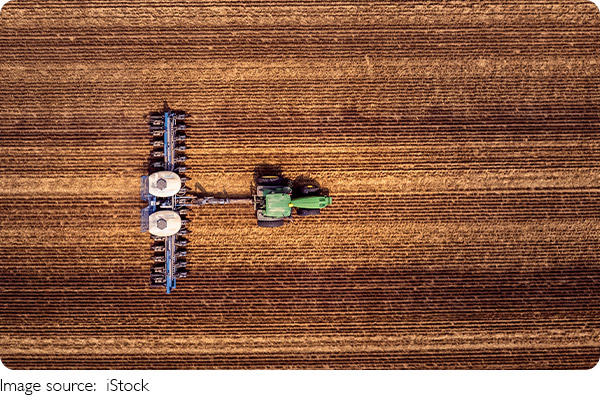
The sun rises over golden fields, and a sleek harvester hums through the crops, cutting and collecting in one smooth pass.
Where days of backbreaking labor once defined harvest season, machinery now transforms the work into a matter of hours.
Watching a combine glide effortlessly through rows of grain is more than efficiency—it's a glimpse of how technology reshapes farming life.
The rise of mechanized harvesting
1. Understanding the technology
Mechanized harvesters are designed to cut, thresh, and collect crops all in a single operation. For example, a modern combine can handle grains like wheat, barley, and rice, separating edible parts from straw efficiently. Using such machines drastically reduces the labor needed, allowing farmers to focus on crop management rather than hours of repetitive manual work.
2. Speed and precision
Machines operate at a steady pace, consistently cutting crops without missing sections or leaving wasted produce behind. A large combine can harvest several acres in a day—something that would take dozens of workers multiple days manually. Farmers often plan routes carefully to maximize coverage, avoiding overlaps and ensuring no part of the field is left behind.
3. Consistency in quality
Mechanized harvesting preserves the quality of grains by minimizing physical damage. Unlike manual cutting, which can bruise or break kernels, machines maintain uniformity. This is especially important for crops destined for storage or sale, as intact grains store longer and fetch better prices at the market.
Practical tips for efficient mechanization
1. Regular maintenance
Like any tool, harvesters require upkeep. Checking blades, belts, and engine performance before heading to the field prevents breakdowns. Even a minor tweak, like tightening a belt or lubricating moving parts, can save hours of downtime during peak harvest.
2. Training operators
Handling large machinery safely and efficiently takes practice. Farmers often run training sessions for new operators, teaching them to adjust speeds, monitor grain flow, and navigate uneven terrain. A skilled operator can increase efficiency by up to 20 percent compared to someone unfamiliar with the equipment.
3. Field preparation
Even the best machines perform better in well-prepared fields. Removing large rocks, leveling uneven sections, and marking rows can reduce wear on equipment and ensure smoother operation. A quick walk-through before starting can prevent jams and improve overall efficiency.
Environmental and economic benefits
1. Reducing labor demands
Mechanization decreases reliance on large groups of seasonal workers. This not only saves costs but also reduces stress on local labor markets, allowing farmers to allocate resources elsewhere.
2. Timely harvesting
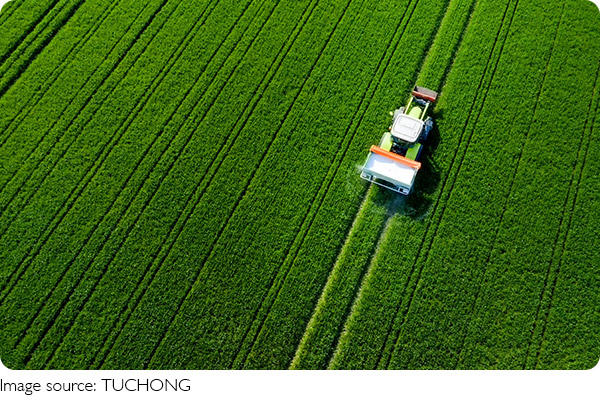
Weather often dictates the best harvest window. Machines enable farmers to complete their work quickly before rain or storms arrive, protecting yields from spoilage or damage. A timely harvest can make the difference between a profitable season and losses.
3. Lower crop loss
Mechanized harvesters reduce the number of dropped or damaged crops. By minimizing human error and fatigue, they help preserve more of the harvest for sale, storage, or processing. For example, modern rice harvesters have sensors to adjust cutting height, reducing waste and maximizing collected grain.
Challenges and considerations
1. High upfront cost
Machinery requires significant investment. Small farms might need cooperative ownership or rental agreements to access modern harvesters. Weighing the cost against labor savings and increased yield is essential before purchase.
2. Fuel and maintenance
Running large machines consumes fuel and requires spare parts. Monitoring fuel efficiency and scheduling routine maintenance helps reduce operating costs and prevents unexpected interruptions.
3. Adapting to terrain
Hilly or wet fields can be challenging for mechanized harvesting. Farmers may need specialized equipment or modify planting patterns to ensure machines can operate safely. Understanding the limitations of each machine ensures efficient use without damage.
Looking ahead
Mechanization has transformed harvests from exhausting manual labor into a more predictable and productive process. The hum of a combine in the morning is a testament to years of technological advancement and human ingenuity. While challenges like cost and terrain remain, the benefits—speed, consistency, and reduced labor—make mechanization an invaluable tool in modern agriculture.
Watching machinery move through the fields, one can appreciate the blend of engineering and farming knowledge that makes it possible. It's a reminder that technology doesn't just save time—it allows farmers to focus on planning, care, and innovation, shaping the future of food production with each precise pass through the crop.