Amazing Facts About Rice

Ravish Kumar
| 09-02-2026
 · Plants team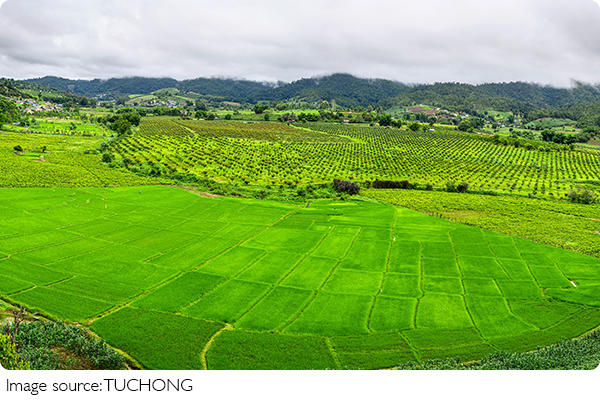
A handful of uncooked rice doesn't look like much at first glance.
The grains are small, pale, and easy to overlook in a busy kitchen.
Yet once water, heat, and time come together, those simple grains transform into something soft, warm, and deeply comforting. Across countless homes, rice appears on the table in quiet, reliable ways that rarely draw attention to how remarkable it truly is.
Looking closer at rice reveals a story of clever plant design, careful growing methods, and surprising everyday usefulness. These small grains carry more meaning than their size suggests.
Rice is a plant built for water
Thrives in flooded fields
Unlike many crops that struggle in standing water, rice grows well in shallow flooding. The water helps control competing weeds and keeps the temperature around the roots stable. Farmers carefully manage water depth during each growth stage to protect young plants and support healthy grain formation.
Special air channels inside the stem
Rice plants contain natural hollow spaces that move oxygen from the leaves down to the roots. This allows the plant to survive even when the soil is fully saturated. It's a clever biological feature that makes wet-field farming possible.
Careful timing of planting and draining
Fields are not flooded forever. Water is reduced as harvest approaches so the grains can dry properly. One practical example is draining the field roughly two weeks before harvest, which improves grain quality and makes gathering easier.
There are many shapes, colors, and textures
Short, medium, and long grains
Grain length affects how rice feels after cooking. Short grains tend to be soft and slightly sticky, while long grains stay more separate and fluffy. Choosing the right type changes the entire texture of a meal.
Natural color variations
Rice isn't only white. Some varieties appear brown, red, purple, or nearly black because of pigments in the outer layers. These colors often signal different flavors and nutrient levels. Trying a darker variety once a week is a simple way to explore new tastes.
Different aromas and flavors
Certain rice types release a gentle fragrance while cooking, almost like warm nuts or flowers. Rinsing the grains lightly before cooking helps those natural aromas stay clean and pleasant instead of cloudy.
Rice plays a quiet role in daily nutrition
Reliable source of energy
Rice mainly provides carbohydrates, which the body turns into fuel for movement and thinking. Because the flavor is mild, it pairs easily with vegetables, beans, or eggs to create balanced meals.
Whole grain options add fiber
Brown rice keeps its outer layer, offering more fiber than polished white rice. Fiber supports comfortable digestion and helps meals feel satisfying for longer periods. Swapping one or two weekly servings to whole grain rice is an easy adjustment.
3. Naturally simple and gentle
Plain cooked rice is soft and easy to digest, which is why it's often chosen during recovery from illness or after long travel. Cooking it with extra water for a softer texture can make it even more soothing.
Growing rice requires patience and precision
Seedlings often start in nurseries
Instead of planting seeds directly in large fields, farmers may first grow young plants in small nursery beds. Once strong enough, the seedlings are moved into prepared fields. This improves survival and leads to more even growth.
Sunlight and temperature matter deeply
Rice grows best in warm conditions with steady sunlight. Sudden cold periods can slow development or reduce grain production. Watching seasonal weather patterns helps farmers decide the safest planting time.
Harvest timing affects flavor and storage
Grains must be gathered when mature but not overly dry. Harvesting too early lowers quality, while waiting too long risks loss from weather or birds. Testing grain firmness by gently pressing a sample is one traditional way to judge readiness.
Rice connects kitchens, land, and routine
Simple to cook in many ways
Rice can be steamed, simmered, or cooked with added ingredients for flavor. Measuring one cup of rice to roughly two cups of water is a dependable starting ratio for many varieties. Small adjustments refine texture over time.
Easy to store for long periods
Uncooked rice keeps well in a cool, dry container protected from moisture. This long shelf life makes it a dependable pantry staple during busy weeks.
Encourages shared meals
Because rice stretches easily to feed several people, it often appears in group dining. A single large bowl placed at the center of the table quietly invites conversation and connection.
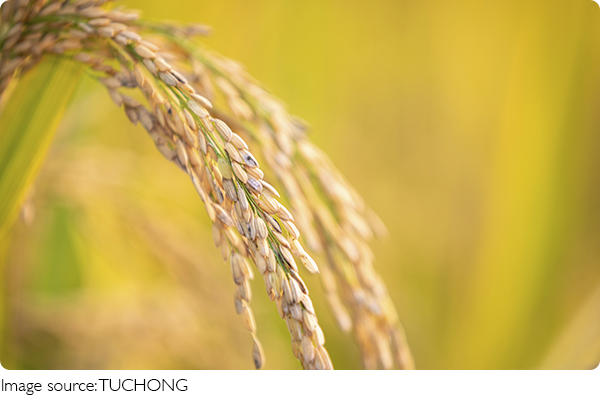
Rice rarely demands attention, yet it supports daily life in steady, practical ways—from the field where it grows to the quiet moment a warm bowl reaches the table. Its strength lies in simplicity.
Not every important thing needs to be dramatic. Sometimes meaning hides in the smallest grains, waiting patiently in a cupboard until someone adds water, warmth, and a little time.