Hot Milk Chocolate

Mukesh Kumar
| 14-02-2026
 · Cate team
Have you ever made hot milk chocolate, taken a sip, and thought, “This is fine… but not what I wanted”? It's warm, it's sweet, yet somehow flat—or worse, grainy. That small disappointment usually happens not because of the ingredients, but because of how they're handled.
Hot milk chocolate is one of those drinks that looks simple but quietly punishes rushing. The good news? Once you understand one core idea—temperature control—you can make a cup that feels comforting every single time.
This article focuses on that single insight: hot milk chocolate isn't about melting chocolate fast; it's about melting it gently and building flavor step by step. When you get that right, even a basic kitchen setup can produce something deeply satisfying.
The Core Idea: Heat Is the Real Ingredient
Most people treat heat as a switch: on or off. For hot milk chocolate, heat is more like a dial. Too high, and milk can scald, chocolate flavor dulls, and texture may turn grainy or separated. Too low, and melting is simply slower.
The sweet spot is warm enough to melt chocolate gradually, but never hot enough to bubble hard. As a practical guide, milk is typically called “scalded” around 180°F/82°C, so keep your hot chocolate comfortably below that and avoid boiling.
Once you think of heat as something you manage—not rush—the whole process becomes calmer and more predictable.
Ingredients
Use simple ingredients. Quality matters more than quantity here.
• 2 cups whole milk
• 90 grams milk chocolate, finely chopped
• 1 teaspoon cocoa powder (optional, for depth)
• ½ teaspoon sugar (optional, adjust to taste)
• A pinch of salt
Optional add-ins:
• A small piece of dark chocolate for contrast
• A few drops of vanilla extract
Steps
1. Pour the milk into a small saucepan and place it over low heat.
2. Warm the milk slowly, stirring occasionally, until it feels hot but does not bubble.
3. Add the chopped milk chocolate to the warm milk.
4. Let it sit for about 20 seconds before stirring—this helps the chocolate soften evenly.
5. Stir gently until the chocolate fully melts and the liquid looks smooth and glossy.
6. Add cocoa powder, sugar, and salt if using, then stir until dissolved.
7. Keep the heat low and warm the mixture for another 1–2 minutes, stirring slowly.
8. Remove from heat once it reaches your preferred temperature.
9. Taste and adjust sweetness or richness if needed.
10. Pour into a mug and enjoy immediately.
Why Chopping Chocolate Changes Everything
Large chunks of chocolate take longer to melt, which tempts you to increase the heat. That's where problems start. Finely chopped chocolate melts faster at lower temperatures, keeping the milk stable and smooth.
This one habit alone solves many texture issues. If you’ve seen tiny specks or slight oiliness, uneven melting or overheating is often the cause.
Milk Choice Isn't About Richness Alone
Whole milk works best because it balances sweetness and body. But the real issue isn't just about texture—it's protein stability. When milk overheats, proteins tighten and lose their soft texture. That's why slow warming matters more than switching milk types.
If you want a lighter cup, you can replace a small portion of the milk with water. Warm the milk first, then add the water at the end. This keeps the flavor intact without thinning it too much.
Small Additions, Big Impact
A pinch of salt might sound odd, but it sharpens sweetness without making the drink taste salty. Cocoa powder deepens the chocolate flavor, especially if your milk chocolate leans very sweet.
Think in tiny adjustments:
• More balance: add salt
• More depth: add cocoa powder
• More aroma: add vanilla
Each one works quietly in the background.
Common Mistakes to Avoid
1. Boiling the milk
Once strong bubbles appear, heat is too high.
2. Dumping everything in at once
Chocolate melts better when added to warm milk, not cold.
3. Stirring aggressively
Fast stirring introduces air and cools the mixture unevenly. Slow circles are enough.
4. Skipping the taste check
Chocolate varies. Always taste before serving.
Making It Part of Your Routine
Hot milk chocolate doesn't have to be a special-occasion drink. With the right approach, it fits easily into quiet evenings or slow mornings. The process itself becomes calming: warming milk, watching chocolate melt, stirring without rushing.
You can even prep chopped chocolate in advance and keep it in a small container. That way, when the craving hits, the work is already done.
Serving Without Overthinking
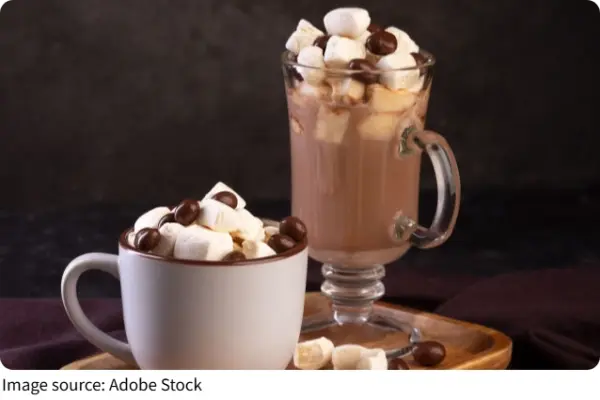
A warm mug matters more than decoration. Rinse your cup with hot water before pouring in the chocolate—this keeps it warm longer and prevents quick cooling. Sip slowly. The flavor changes slightly as it cools, becoming sweeter and softer over time.
No toppings are required. When the base is right, it stands on its own.
As you hold that mug, ask yourself: did you rush, or did you let the heat do its job? The next time you make hot milk chocolate, try slowing down just a little—lower flame, gentler stir, one extra taste. You might find that the drink you've been chasing was never about adding more, but about doing less, better.