Asparagus Quiche Done Right

Camille Dubois
| 21-04-2026
 · Cate team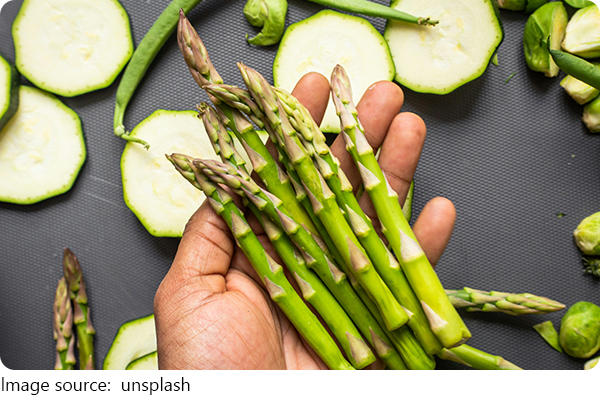
There's a certain moment when asparagus feels non-negotiable. You see a fresh bunch at the store—tight tips, clean snap—and suddenly dinner plans change. That's usually when an asparagus quiche makes sense. Not the heavy, nap-inducing kind, but one that feels calm, warm, and put together without being fussy.
A good asparagus quiche isn't about loading the filling with extras. The real goal is balance: tender vegetables, a smooth custard, and accompaniments that keep the whole meal from feeling flat. Once you understand that, this becomes a reliable dish you can serve for lunch, dinner, or even a slow weekend morning.
The core idea: let asparagus lead
Asparagus has a clean, slightly grassy flavor that disappears if it's overcooked or drowned in dairy. The key insight here is restraint. Instead of fighting it with too many add-ins, you build the quiche around three things: gentle cooking, proper custard ratio, and contrasting sides.
When those pieces line up, the quiche tastes focused instead of busy.
Ingredients for the asparagus quiche
This recipe makes one 9-inch quiche, serving 4–6 people.
For the crust:
All-purpose flour – 1¼ cups
Cold unsalted butter – ½ cup, cut into cubes
Salt – ½ teaspoon
Cold water – 3–4 tablespoons
For the filling:
Fresh asparagus – 1 bunch (about 12–15 spears)
Eggs – 4 large
Heavy cream – ¾ cup
Milk – ¼ cup
Hard cheese (such as aged white cheese) – ¾ cup, grated
Olive oil – 1 tablespoon
Salt – ¾ teaspoon
Black pepper – ½ teaspoon
Nutmeg – a small pinch
Step-by-step: making the quiche
Take your time here. None of the steps are hard, but the order matters.
1. Prepare the crust
In a bowl, mix flour and salt. Add cold butter and rub it in with your fingers until it looks like coarse crumbs. Add cold water one tablespoon at a time, just until the dough holds together. Form into a disk, wrap, and chill for 30 minutes.
2. Blind bake the crust
Roll out the dough and fit it into a 9-inch tart pan. Pierce the base with a fork, line with baking paper, and fill with baking weights or dry beans. Bake at 375°F (190°C) for 15 minutes. Remove weights and bake 5 more minutes until lightly set.
3. Prepare the asparagus
Trim the tough ends. Slice the spears into 1-inch pieces, keeping the tips intact. Heat olive oil in a pan and sauté the asparagus for 2–3 minutes until just tender. Season lightly and let cool.
4. Make the custard
In a bowl, whisk eggs, cream, milk, salt, pepper, and nutmeg until smooth. Don't overwhisk—air bubbles can cause uneven baking.
5. Assemble and bake
Spread asparagus evenly over the crust. Sprinkle cheese on top, then pour in the custard. Bake at 350°F (175°C) for 35–40 minutes, until the center is just set and slightly wobbly.
6. Rest before slicing
Let the quiche sit for at least 10 minutes. This helps the custard firm up and makes cleaner slices.
Why this texture works
The combination of cream and milk keeps the filling soft without turning it heavy. Too much cream makes the quiche dense; too much milk makes it watery. This ratio gives you a custard that's silky, stable, and clean on the palate.
Sautéing the asparagus first removes excess moisture, which is the most common reason vegetable quiches end up soggy.
Accompaniments that actually make sense
An asparagus quiche is mild by design, so the sides should add contrast, not competition.
1. Simple green salad
Use crisp greens with a light vinaigrette—think lemon juice, olive oil, and salt. The acidity cuts through the richness of the custard.
2. Roasted vegetables
Carrots, zucchini, or bell peppers roasted at high heat add warmth and texture. Keep seasoning minimal so they don't overpower the quiche.
3. Fresh fruit on the side
Sliced citrus or berries add brightness and make the meal feel lighter, especially for lunch.
4. Crusty bread (optional)
If you're serving this as dinner, a small piece of crusty bread helps turn it into a full meal without crowding the plate.
Common mistakes to avoid
Even experienced cooks slip up here.
• Overcooking the asparagus before baking
• Skipping the crust pre-bake
• Using too much cheese, which masks the vegetable
• Cutting the quiche too soon
Avoiding these keeps the flavors clean and the texture consistent.
How to serve it comfortably
This quiche works warm or at room temperature. If you're serving guests, bake it earlier and let it rest—rushing it out of the oven rarely improves the experience. Leftovers keep well in the fridge for two days and reheat gently in the oven.
It's also one of those dishes that feels intentional even when it's simple. You can serve it on a weekday without ceremony or bring it to the table when you want something quietly impressive.
The next time you're holding a bunch of asparagus and wondering what to do that won't feel repetitive, remember this approach. Treat the vegetable with care, give it space to shine, and build the rest of the meal around balance. That's usually enough.