Karwendel Alpineworld

Chris Isidore
| 09-02-2026
 · Travel team
The first decision you make on a ski morning in Karwendel often happens before you even clip into your boots. You step outside, look at the slopes across the valley, and ask yourself a practical question: do I want smooth, predictable runs today, or do I want space and freedom? Karwendel Alpineworld rewards the second mindset, but only if you plan with intention.
Karwendel sits on the edge of the larger Alpine ski circuit, and that's exactly why it works. It's not built for record-breaking lift counts or endless après-ski. It's built for skiers who want real mountains, efficient days, and fewer bottlenecks. This guide focuses on how to use the area properly, not how to rush through it.
Understanding what Karwendel Alpineworld actually offers
Karwendel Alpineworld isn't a single mega-resort. It's a connected alpine region that blends lift-access skiing with wide-open terrain and smaller, well-managed ski areas. Elevations generally range from around 900 meters in the valleys to just over 2,200 meters at the highest lift-served points.
This means two things. First, snow quality depends heavily on timing. Second, crowd flow is more manageable than in headline resorts. The terrain favors intermediate skiers, with enough steeper sections to keep advanced skiers engaged, especially after fresh snowfall.
Best time to ski for conditions and space
Timing matters more here than raw skill.
1. Late January to early March
This is the most reliable window. Snow coverage is consistent, temperatures stay cold enough to preserve the base, and daylight is long enough for relaxed days.
2. Midweek over weekends
Karwendel stays calmer than major resorts, but weekends still bring regional visitors. Tuesday through Thursday mornings often feel almost private.
3. Early start days
Lifts usually open between 8:30 and 9:00 a.m., depending on location. Arriving 20 minutes early puts you ahead of rental lines and ski school groups.
Lift passes and realistic costs
Karwendel Alpineworld pricing stays reasonable compared to larger alpine hubs.
• Day pass: typically ranges from $55–$65 USD for adults
• Multi-day passes: offer better value if you ski more than two days
• Half-day options: sometimes available from early afternoon, useful on arrival days
Buying passes online saves time and occasionally a few dollars. If you're staying nearby, ask about regional guest cards, which sometimes include small discounts or free local transport.
Getting there without friction
Access is straightforward, which is part of the appeal.
• By train: Regional trains serve nearby valley towns. From there, ski buses run regularly in the morning and afternoon. Bus rides are often free with a valid lift pass.
• By car: Parking is generally available near base stations. Most lots are free, but arrive early on snow days.
• Ski bus timing tip: Morning buses between 8:00 and 9:00 a.m. are busiest. If you can catch the first one, do it.
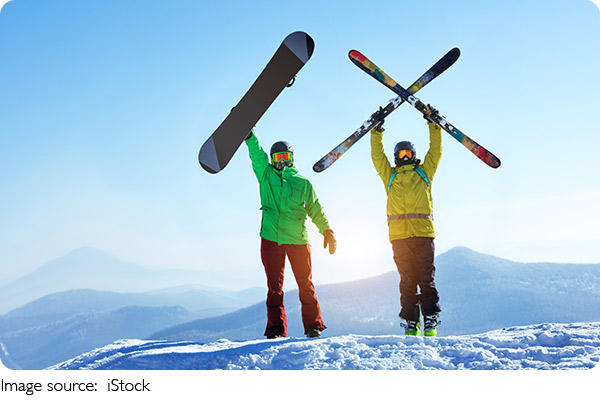
How to ski the area efficiently?
Karwendel rewards skiers who think in loops, not laps.
Start your day by heading slightly away from the most visible lifts. These attract first-time visitors. Quieter chairs often serve longer, more consistent runs.
A practical approach looks like this:
1. Warm up on mid-mountain blue or easy red runs.
2. Move higher as visibility improves and legs wake up.
3. Save steeper or shaded slopes for late morning, when snow softens slightly.
Avoid bouncing randomly between lifts. Choose a zone and ski it thoroughly before moving on.
Snow conditions and how to adapt
Because Karwendel isn't extremely high, snow changes throughout the day.
Morning brings firmer surfaces, especially on north-facing slopes. By early afternoon, sun-exposed runs soften. Adjust your route accordingly rather than fighting conditions.
If fresh snow falls overnight, ski lower-traffic lifts first. Tracks fill quickly on main runs, but side areas stay untouched longer.
Equipment and clothing tips
You don't need extreme gear here, but smart choices help.
• All-mountain skis work better than narrow race skis.
• Layers matter. Temperatures can shift quickly with cloud cover.
• Bring clear or low-light goggles. Flat light is common after snowfall.
Rental shops in nearby towns are reliable, but arriving with your own boots saves time and discomfort.
Food breaks without losing half your day
Mountain huts exist, but they fill up fast between 12:00 and 1:30 p.m.
To avoid crowds:
• Eat early, around 11:30 a.m.
• Or ski through lunch and eat after 2:00 p.m.
Many skiers pack simple food and stop briefly, gaining an extra hour of empty slopes.
Who Karwendel is best for?
This area suits skiers who value rhythm over spectacle. It's ideal if you want steady skiing days, room to improve technique, and a calm environment. Beginners can learn comfortably, and experienced skiers can focus on flow instead of queues.
If your goal is nonstop nightlife or extreme vertical drops, this may feel quiet. If your goal is clean lines, predictable logistics, and less waiting, Karwendel delivers.
As the day winds down, the slopes empty faster than you might expect. That final run, when light softens and tracks stretch long across the mountain, often becomes the memory that sticks. Before packing up, take one more look uphill and ask yourself a simple question: did you ski the mountain, or did you let the mountain set the pace? In Karwendel, the best days happen when you choose the second option.