Organic Black Balsamic

Caroll Alvarado
| 15-04-2026
 · Cate team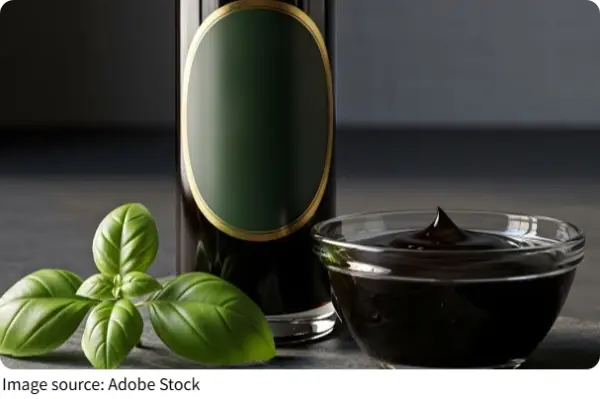
There's something magical about a deep, dark balsamic vinegar gliding over a fresh salad or drizzling across roasted vegetables. Organic black balsamic vinegar isn't just a condiment—it's a concentrated flavor experience, crafted from carefully fermented grape must.
Unlike standard vinegars, its sweetness and acidity can transform simple dishes into gourmet creations. Here's a practical guide to understanding, selecting, and using organic black balsamic vinegar in your kitchen.
Understanding Organic Black Balsamic Vinegar
Organic black balsamic vinegar is traditionally made by cooking down grape must, often from Trebbiano grapes, until it thickens, then fermenting and aging it in wooden barrels for years. This process develops its complex flavor profile: sweet, tangy, and slightly smoky. Organic certification ensures that no synthetic pesticides or chemicals were used in growing the grapes, making it not only flavorful but also a cleaner ingredient for your recipes.
Key characteristics to look for:
• Viscosity: True black balsamic is thick and syrupy.
• Color: Deep mahogany or dark brown indicates proper aging.
• Labeling: Look for terms like “organic” and “aged 12+ years” for maximum depth of flavor.
Ingredients You'll Need to Make a Simple Balsamic Reduction
While traditional balsamic is aged for years, you can make a quick balsamic glaze at home using:
• 1 cup organic black balsamic vinegar
• 1–2 tablespoons honey or maple syrup (optional, for extra sweetness)
Steps to Make a Balsamic Glaze
1. Pour and Heat
Place the balsamic vinegar in a small saucepan over medium heat. Stir occasionally to prevent sticking.
2. Simmer Gently
Once it begins to bubble, reduce the heat to low. Let it simmer for 10–15 minutes, stirring occasionally. The vinegar should reduce by roughly half and thicken slightly.
3. Add Sweetness
If desired, stir in honey or maple syrup to balance acidity. Taste carefully; organic balsamic already has natural sweetness.
4. Cool and Store
Remove from heat and let the reduction cool. It will thicken further as it cools. Store in a glass jar in the refrigerator for up to a month.

Practical Ways to Use Organic Black Balsamic Vinegar
1. Salad Enhancement
Drizzle over mixed greens with goat cheese, walnuts, and fresh fruit like pears or strawberries. The vinegar's sweetness contrasts beautifully with bitter greens.
2. Roasted Vegetables
Toss carrots, Brussels sprouts, or sweet potatoes with a few tablespoons before roasting. It caramelizes in the oven and adds depth of flavor.
3. Finishing Touch for Proteins
Organic black balsamic makes a great finishing drizzle for grilled chicken, seared tuna, or roasted tofu, adding a glossy sheen and subtle tang.
4. Desserts and Fruit
Pair it with strawberries, figs, or vanilla ice cream. The aged sweetness enhances fruit flavors without overpowering them.
5. Dipping Sauce
Combine balsamic with olive oil and a pinch of salt to create a rich, simple dip for artisan bread.
Tips for Maximum Flavor
• Quality over quantity: A few drops of aged balsamic can replace heavy sauces.
• Storage: Keep in a cool, dark place; avoid the refrigerator for aged balsamic, as it may crystallize.
• Layer flavors: Pair with fresh herbs like basil, thyme, or rosemary to elevate both sweet and savory dishes.
• Experiment: Try combining with mustard for vinaigrettes or reducing with berries for a dessert sauce.
Using organic black balsamic vinegar is as much about technique as it is about ingredient choice. Each drop adds layers of aroma, taste, and elegance to your meals. From glazes and dressings to finishing touches on meat, vegetables, and even desserts, understanding how to handle this vinegar turns everyday cooking into an opportunity for creativity and refinement. Embrace the deep, complex flavor of organic black balsamic and watch it transform simple dishes into memorable experiences.