Louvre Museum Travel Guide

Liam Reilly
| 11-06-2026
 · Travel team
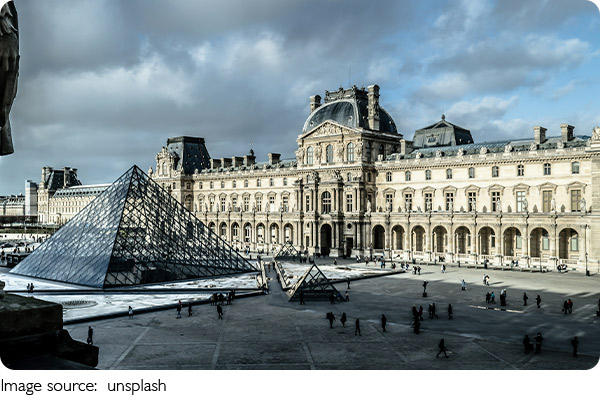
Stepping onto the glass pyramid plaza, the first thing that strikes you is the mix of history and modernity.
The Louvre isn't just a museum; it's a sprawling city of art, with centuries of human creativity under one roof. You might pause for a moment, camera ready, trying to decide where to begin.
Should you head straight to the Mona Lisa, or explore the Egyptian antiquities first? Visiting the Louvre can feel overwhelming, but with a bit of planning, it transforms into an unforgettable journey through time and imagination.
Louvre Museum
Getting There and Access
The museum is easily accessible via the Palais Royal–Musée du Louvre metro station on Line 1. From there, it's a five-minute walk to the main pyramid entrance. Tickets for public transit are around $2 per ride, and day passes can make hopping between nearby attractions convenient.
For those driving, underground parking is available at the Carrousel du Louvre, with rates approximately $3 per hour. The garage provides direct access to the museum, making it practical for groups carrying extra gear.
The Louvre is fully accessible for visitors with mobility challenges. Wheelchairs are available at the information desks, and elevators and ramps connect every main gallery.
Local tip: Arrive early on weekdays to avoid long queues at the security checkpoint.
Opening Hours and Tickets
The museum opens from 9 a.m. to 6 p.m., Wednesday through Monday, and is closed on Tuesdays. Evening hours on Wednesdays and Fridays extend to 9:45 p.m., offering a quieter experience with fewer crowds.
Tickets are around $20, with discounts for youth and students at $12. Children under 18 enter free, which makes family visits more accessible. Guided tours or audio guides are available for $7–$10, providing rich context for key artworks.
Temporary exhibitions rotate frequently, often highlighting emerging artists or thematic collections. Checking the Louvre website before your visit helps prioritize must-see displays.
Actionable tip: Booking tickets online in advance saves time and guarantees entry during peak tourist season.
Key Galleries and Highlights
The Mona Lisa attracts large crowds, so plan to visit first or late in the day. Even a quick glance is worth it, but staying for a few minutes allows you to appreciate the finer details, such as the subtle smile and delicate brushwork.
The Egyptian Antiquities section spans several floors, featuring mummies, sarcophagi, and artifacts that date back thousands of years. Reading the small plaques and taking note of the historical context can make the exhibit more engaging.
The museum's sculptures and European art collections showcase Baroque, Neoclassical, and other significant periods. Each piece tells a story of human expression and provides insight into the evolution of artistic techniques.
Tip: Focus on 3–5 sections you're most interested in. Trying to see everything in one visit can be exhausting.
Practical Tips for Your Visit
Allocate at least three hours for a general visit. Longer stays are needed if you want to explore multiple floors and temporary exhibitions in depth. Planning a route ahead of time prevents fatigue and ensures you see the highlights.
Photography is allowed in most areas, but flash, tripods, and selfie sticks are prohibited. Observing signage prevents accidental disruptions to artwork and fellow visitors.
The Carrousel du Louvre houses cafés and restaurants, as well as a gift shop for souvenirs. Bringing a water bottle and light snacks can help maintain energy for longer visits, as exploring the vast galleries requires stamina.
Actionable tip: Download the museum map or app before arrival to navigate efficiently between floors and avoid backtracking.
Immersing Yourself in the Louvre
Pause at each piece and imagine the context of its creation. Understanding the historical background of a painting or sculpture adds depth and makes the visit more memorable.
Guided talks and temporary workshops offer insight into the museum's collection and artistic techniques. Participating can transform a passive visit into an interactive learning experience.
Take breaks in the central Cour Napoléon or along the Seine-side terraces. These pauses allow you to reflect on what you've seen and recharge before continuing your journey through the museum.

By the time you leave, the Louvre isn't just a building filled with paintings and sculptures—it becomes a narrative of human creativity across centuries. Walking out under the glass pyramid, you carry with you both the visual impressions and the stories behind each masterpiece. Next time you visit Paris, set aside ample time for the Louvre—you'll leave inspired and perhaps see the city itself in a new light.