Power of Simple Seasoning

Chris Isidore
| 24-04-2026
 · Cate team
The moment a warm dish reaches the table, something subtle decides whether it feels ordinary or unforgettable. Often, that difference isn't the main ingredient or the cooking method—it's the quiet work of seasoning. A pinch of salt at the right time, a squeeze of citrus just before serving, or a sprinkle of herbs can shift an entire meal from flat to vibrant.
Understanding seasoning isn't about complexity. It's about noticing how tiny choices shape flavor in powerful ways.
Why Seasoning Changes Everything
Seasoning works like fine tuning in music. Without it, notes feel dull or incomplete. Salt, acidity, sweetness, and gentle bitterness interact to create balance, allowing natural flavors to stand out instead of hiding in the background.
Salt enhances natural taste rather than simply making food salty.
Acidic elements brighten heavy or creamy textures.
Aromatic herbs add freshness that lifts the whole dish.
A simple example is roasted vegetables. Without seasoning, they taste soft and muted. Add salt before roasting, then finish with lemon juice and chopped herbs, and the same vegetables suddenly feel lively and complete. The ingredients didn't change—only the seasoning did.
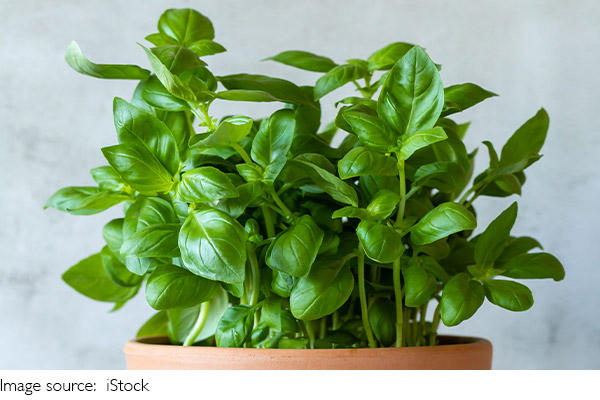
Timing Matters More Than Quantity
Many people focus only on how much seasoning to add, but when you add it often matters more. Layering flavor through the cooking process creates depth that can't be achieved with a single sprinkle at the end.
Season ingredients lightly before cooking so flavor develops from within.
Taste midway and adjust gently instead of waiting until the dish is finished.
Add delicate herbs or citrus at the end to preserve freshness.
Consider a bowl of vegetable soup. If salt is added only at the table, the broth tastes shallow. Adding small amounts during simmering allows vegetables to release fuller flavor, while a final squeeze of citrus just before serving creates brightness that feels intentional and fresh.
Choosing the Right Seasonings
Not every seasoning suits every dish. Light foods pair well with gentle herbs, while roasted or slow-cooked meals benefit from warmer, deeper spices. Fresh acidic ingredients often act as the final bridge that connects all flavors together.
Match delicate herbs with quick-cooked vegetables or grains.
Use ground or crushed spices for slow simmering so flavor spreads evenly.
Keep fresh citrus or vinegar nearby for last-minute balance.
An actionable approach is building a small “flavor corner” in your kitchen with salt, dried herbs, whole pepper, and citrus. Having these within reach encourages tasting and adjusting naturally instead of guessing.
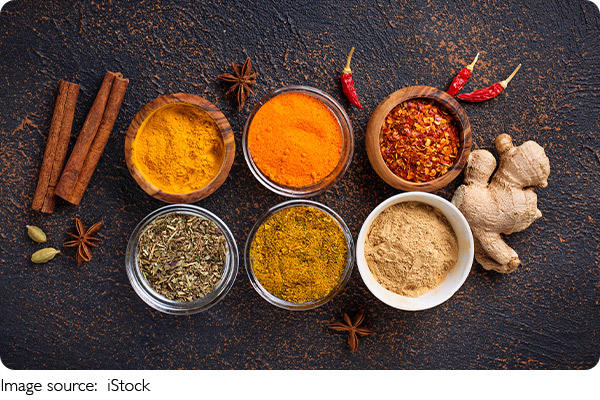
Common Mistakes That Flatten Flavor
Even simple dishes can fail if seasoning is ignored or misused. The most frequent issue is hesitation—adding too little salt or acid out of caution. The opposite problem is relying on heavy seasoning mixes that hide the food's natural taste.
Taste food in small spoonfuls throughout cooking, not only at the end.
Add seasoning gradually so you can stop at the right moment.
If a dish feels dull, try a drop of acidity before adding more salt.
For instance, plain rice can seem bland even with extra salt. A small splash of citrus or a sprinkle of fresh herbs often solves the problem more effectively than adding more salt alone.
Building Confidence Through Practice
Learning seasoning isn't about memorizing rules. It grows through repeated small experiments and honest tasting. Cooking the same basic dish several times with slight seasoning changes teaches more than any recipe list.
Prepare a familiar vegetable dish once each week and vary only the seasoning.
Taste ingredients separately before combining them to understand their role.
Write quick notes about what worked so improvement becomes visible.
Over time, your sense of balance becomes intuitive. You'll begin adjusting flavor almost automatically, guided by smell, taste, and memory rather than strict measurement.
A well-seasoned meal rarely calls attention to itself, yet everyone notices how satisfying it feels. The harmony seems effortless, even though it comes from careful, thoughtful touches added along the way. Paying attention to seasoning turns everyday cooking into a quiet creative act—one where small choices shape comfort, warmth, and connection around the table.