Red Chokeberry Guide

Mukesh Kumar
| 05-03-2026
 · Cate team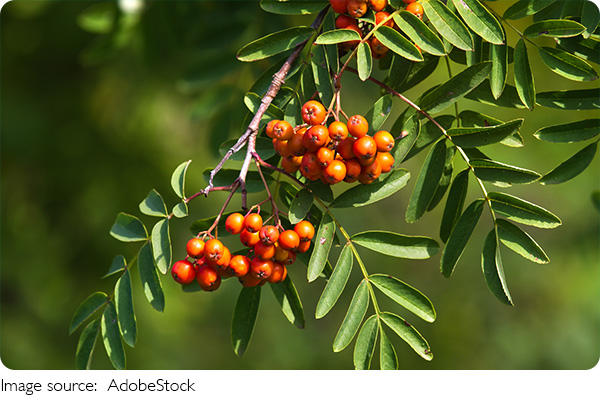
A shrub covered in glowing berries can change the mood of an entire garden corner.
When late summer light hits clusters of orange-toned chokeberries, the scene feels almost painted—bright, calm, and quietly abundant.
This plant isn't just decorative. It offers edible fruit, seasonal color, and reliable growth, making it a rewarding choice for gardeners who want beauty and usefulness in the same space.
What Makes Orange Chokeberry Special
Bright seasonal color
Edible autumn fruit
Hardy garden growth
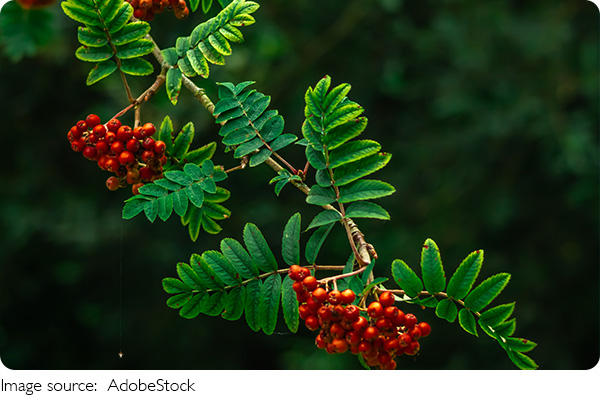
Orange chokeberry belongs to a group of shrubs known for resilience and multi-season appeal. In spring, soft blossoms appear against fresh green leaves. By late summer and early autumn, clusters of warm orange berries develop, creating a striking contrast with the foliage. As temperatures cool, leaves often shift toward deep red tones, extending visual interest well beyond the growing season.
Planting one shrub near a walkway highlights seasonal color changes where you'll notice them daily.
Pairing it with evergreen plants keeps the area lively even in colder months.
Leaving berries on the branches supports visiting birds during cooler weather.
A simple example is placing the shrub where afternoon sunlight passes through the fruit clusters. The glowing effect adds depth that ordinary greenery can't provide.
How to Grow It Successfully
Sunlight balance
Moist soil
Low maintenance
This shrub adapts well to different environments, which explains its popularity in landscape design. It grows best with steady sunlight and soil that holds moisture without becoming soggy. Once established, it tolerates short dry periods and seasonal temperature shifts.
Choose a planting spot with at least half a day of direct light.
Mix compost into the soil before planting to improve texture and drainage.
Water regularly during the first growing season to help roots spread deeply.
An actionable approach is to apply a thin mulch layer around the base. This keeps moisture consistent and reduces the need for frequent watering, especially during warm weeks.
Harvesting and Using the Berries
Tart flavor
Rich color
Versatile kitchen use
The berries are known for a naturally tart taste rather than strong sweetness. Because of this, they're often combined with other fruits or sweet ingredients in home cooking. Their deep pigment also gives sauces, jams, and baked goods a vivid tone.
Harvest when berries reach full color and feel slightly soft to the touch.
Rinse gently and remove stems before storing.
Freeze extra berries in small portions for later recipes.
One practical idea is simmering the fruit with apple slices and a bit of sweetener to create a balanced spread for morning toast. The blend softens the sharpness while keeping the bright color.
Caring for the Plant Through the Seasons
Spring pruning
Summer watering
Autumn cleanup
Seasonal care keeps the shrub healthy and productive year after year. Light pruning in early spring removes weak or crowded branches, allowing better airflow and stronger growth. During warmer months, steady watering supports fruit development. When leaves fall, simple cleanup prevents pests from settling nearby.
Remove only a few of the oldest branches each spring instead of cutting everything back.
Check soil moisture during long dry stretches and water deeply rather than lightly.
Clear fallen leaves from the base before winter begins.
Following this rhythm keeps maintenance manageable while encouraging fuller berry clusters in the next season.
Design Ideas for Home Landscapes
Border planting
Wildlife corners
Color contrast
Orange chokeberry works well in both formal and relaxed garden layouts. Its moderate size makes it suitable for borders, while berry clusters attract birds that bring movement to quiet spaces. Designers often combine it with grasses or darker-leaf shrubs to emphasize the warm fruit color.
Plant several shrubs in a loose row to create a natural privacy screen.
Combine with late-blooming flowers for layered autumn color.
Use near seating areas so seasonal changes become part of daily life.
Even a small yard can benefit from one carefully placed shrub that delivers interest across multiple seasons.
Gardens feel most meaningful when they offer more than decoration alone. A plant that blooms, feeds wildlife, produces usable fruit, and shifts color with the calendar brings a quiet sense of rhythm to outdoor space. Orange chokeberry does exactly that without demanding constant attention. Watching the berries deepen in color year after year becomes a small seasonal ritual—one that turns an ordinary patch of soil into something memorable and alive.