Smart Sun Safety Tips

Declan Kennedy
| 09-02-2026
 · Travel team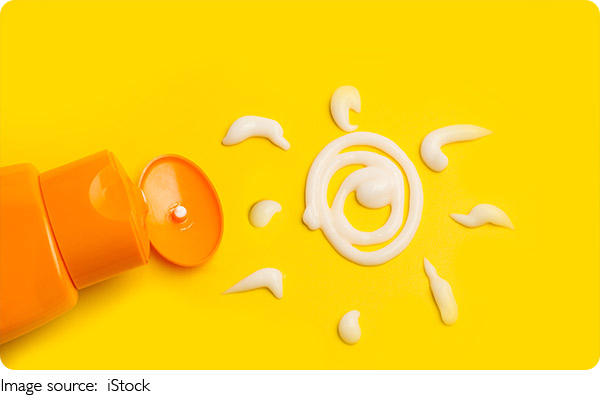
The sun beams down, and the warmth feels irresistible as you head out for a day at the park or beach. That golden glow can lift your mood, but too much exposure can quickly leave your skin red and uncomfortable.
Summer isn't just about enjoying the outdoors—it's about doing so safely.
With a few practical habits, you can soak up the sun without risking burns or long-term skin damage.
Choose the Right Sunscreen
Sunscreen is your first line of defense against harmful UV rays.
1. Select Broad-Spectrum Protection – Look for products labeled “broad-spectrum,” which shield against both UVA and UVB rays. Example: SPF 30 or higher is ideal for most daily activities.
2. Apply Generously – Most adults need about one ounce (a shot-glass amount) to cover exposed areas. Don't forget ears, back of the neck, and tops of feet. Actionable tip: keep a small travel-sized bottle in your bag for easy reapplication.
3. Reapply Regularly – Sunscreen breaks down after swimming or sweating. Plan to reapply every two hours or immediately after water activity, even if the product is water-resistant.
Time Your Exposure
The sun's rays are strongest between 10 a.m. and 4 p.m., so adjusting your schedule can reduce risk.
1. Early or Late Activities – Take morning walks or evening swims when the sun is lower. Example: a 7 a.m. paddle on the lake provides gentle sunlight without intense UV intensity.
2. Shade Strategies – If you must be outdoors during peak hours, bring umbrellas, tents, or portable shades. Set up a small canopy at the park to enjoy a picnic while avoiding direct sun.
3. Monitor UV Index – Check weather apps for daily UV levels. On high UV days, limit direct exposure and wear extra protective gear.
Protective Clothing and Accessories
Clothing can be just as important as sunscreen.
1. Lightweight Long Sleeves – Thin, breathable fabrics protect arms while keeping you cool. Actionable tip: pack a light button-up shirt for afternoon walks.
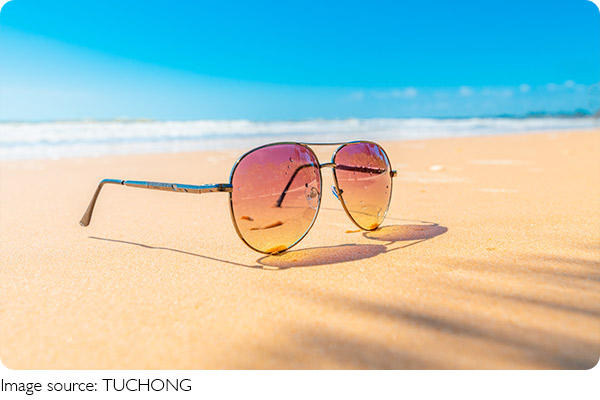
2. Hats and Sunglasses – Wide-brimmed hats shield the face, ears, and neck. Sunglasses with UV protection prevent eye damage. Example: polarized sunglasses reduce glare while still blocking harmful rays.
3. UPF Fabrics – Some clothes are designed with built-in ultraviolet protection. Wearing a UPF-rated shirt during sports or hiking adds an extra layer of safety without feeling heavy.
Hydration and Skin Care
Sun safety isn't only about preventing burns—it's about maintaining overall skin health.
1. Drink Plenty of Water – Sun exposure and outdoor activity increase fluid loss. Keep a reusable water bottle handy and sip frequently.
2. Moisturize After Sun – Even with sunscreen, the skin can dry out. Use a gentle moisturizer to restore hydration and reduce peeling. Example: aloe-based lotions provide soothing relief for mild redness.
3. Cool Showers – Rinsing off sweat and sunscreen prevents irritation and helps the skin recover. Actionable tip: follow up with moisturizer immediately after patting skin dry.
Extra Safety Tips
A few small habits make a big difference in summer safety.
1. Avoid Reflective Surfaces – Sand, water, and concrete reflect UV rays. Wear sunglasses and reapply sunscreen more often near lakes or beaches.
2. Layer Protection – Combine sunscreen, hats, and clothing for maximum coverage. Think of it as building “sun protection” before heading out.
3. Listen to Your Body – Heat and sun can be exhausting. Take breaks in the shade, move slowly during hot afternoons, and watch for signs of sunburn or dehydration.
Enjoying the summer sun doesn't require compromising safety. By preparing ahead, choosing the right products, and paying attention to your environment, you can make the most of sunny days without setbacks. Next time you plan a beach day or an outdoor hike, apply these simple steps—your skin and comfort will thank you, and you'll be free to focus on the fun rather than the burn.