Discover the Netherlands

Mukesh Kumar
| 11-02-2026
 · Travel team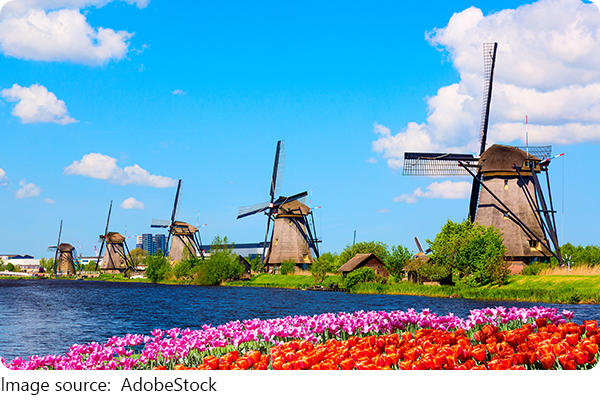
Stepping off the train in Amsterdam, the crisp air carries a mix of fresh bread, blooming flowers, and the subtle hum of bicycles. You pause for a moment, watching the city awaken—boats glide along canals, and locals pedal past with quiet purpose.
That instant captures the magic of the Netherlands: a blend of history, design, and everyday life that feels both relaxed and meticulously organized. Traveling here isn't just about checking off landmarks; it's about experiencing the rhythm of cities, the charm of villages, and the scenic beauty that stretches beyond the urban hubs.
Planning Your Travel and Timing
Timing can make or break your trip in the Netherlands. Weather, tourist density, and seasonal events all shape your experience.
- Best months to visit: April to June offers mild temperatures and tulip season, with Keukenhof Gardens in full bloom. September to early October brings fewer crowds and colorful autumn landscapes. Expect daily highs around 55–70°F (13–21°C) in these periods.
- Local transportation: Public transport is seamless. Trains connect major cities like Amsterdam, Rotterdam, Utrecht, and The Hague. For regional travel, buses and trams are efficient. Consider buying an OV-chipkaart—a rechargeable smart card—for convenience, with fares ranging from $2.50–$5 per ride depending on distance.
- Travel tips: Avoid weekends for major attractions in Amsterdam, especially museums, as lines swell by mid-morning. Booking tickets online in advance often saves both time and a small fee.
Actionable example: Plan to arrive at the Rijksmuseum by 8:30 a.m. to explore the galleries before the crowds peak around 11 a.m.
Exploring Iconic Cities
Each city offers a unique perspective on Dutch life, culture, and architecture.
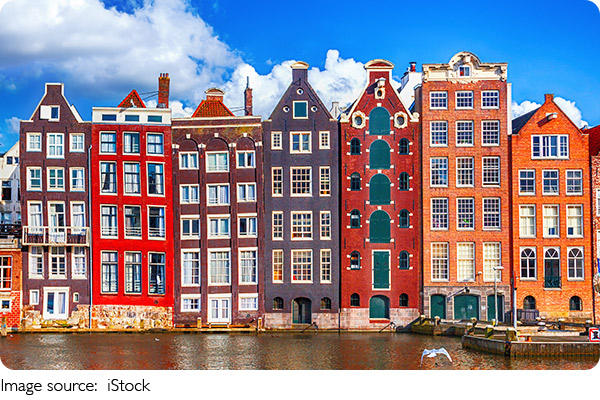
1. Amsterdam: Start with the canals and historic houses. Don't miss the Anne Frank House ($15 USD online booking recommended) and the Van Gogh Museum ($20 USD). Walk or cycle—bikes are everywhere and often faster than walking.
2. Rotterdam: Known for modern architecture, check out the Cube Houses and the Markthal. The city's layout makes it perfect for photography enthusiasts. A water taxi ride along the Maas River ($10–$15 USD) provides a different city angle.
3. Utrecht: Quieter than Amsterdam, it boasts the Dom Tower ($12 USD) and canals lined with cafés. The city's unique wharves offer a charming café-hopping experience.
Actionable example: Rent a bike for a half-day in Utrecht and stop at three different canal-side cafés to enjoy local pastries and espresso—experience the city like a local.
Immersing in Dutch Culture
Cultural experiences make your trip more than sightseeing—they connect you to the local way of life.
- Museums and galleries: The Mauritshuis in The Hague houses masterpieces like Vermeer's Girl with a Pearl Earring ($18 USD). Tip: Audio guides provide detailed context, making the art come alive.
- Markets and local foods: Try stroopwafels, Dutch cheeses, and fresh herring at local markets. Albert Cuyp Market in Amsterdam offers dozens of stalls with snacks and souvenirs. Prices for street food range from $3–$8 USD.
- Festivals and events: If you visit in spring, Keukenhof Gardens ($20 USD) offers rows of tulips and themed gardens. Early mornings are best for photos without crowds.
Actionable example: Join a small guided tour at the cheese farm in Alkmaar for hands-on cheese-making experience—this takes 90 minutes and costs around $25 USD.
Scenic Villages and Countryside
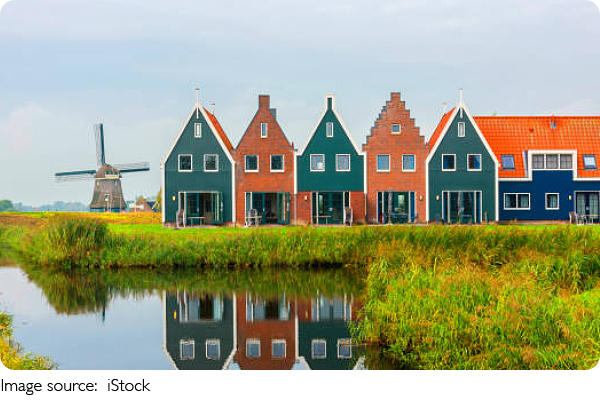
The Netherlands isn't just cities. Windmills, waterways, and charming villages paint a slower-paced picture.
1. Zaanse Schans: Traditional windmills, wooden houses, and craft shops create a living museum experience. Entry is free, but guided tours of certain windmills cost around $5 USD.
2. Giethoorn: Known as the “Venice of the North,” rent a small boat for $20 USD per hour to glide through canals lined with thatched cottages. Explore by foot as well—the village has quiet paths ideal for photography.
3. Kinderdijk: Famous for its 19 windmills along the river, this UNESCO site offers walking and cycling routes. Best time for photography is late afternoon when the light reflects on the water.
Actionable example: Arrive at Giethoorn before 10 a.m. to avoid crowded canal tours and enjoy a peaceful morning drifting past the houses.
Practical Travel Tips
Small details can enhance comfort and reduce stress on your trip.
- Payment methods: Cards are widely accepted, but some smaller shops prefer contactless payment or debit cards. Carry a small amount of cash for markets.
- Language: English is widely spoken, but learning a few Dutch phrases like “Dank je” (thank you) and “Hallo” (hello) enriches interactions.
- Biking safety: Follow traffic signals and use bike lanes. Always check behind you before turning. Renting helmets is optional but recommended for longer rides.
Actionable example: Use a smartphone app like Maps for cycling directions—it highlights bike paths and avoids busy streets.
The Netherlands rewards travelers who take time to explore beyond the obvious. By planning thoughtfully, moving at your own pace, and engaging with local culture, you transform a simple visit into a living, breathing experience. Whether you're cycling along canals in Utrecht, marveling at tulips in Keukenhof, or enjoying a quiet boat ride in Giethoorn, the key is to notice the details that make daily Dutch life uniquely charming. Next time you pack your bag, try scheduling moments to pause, watch the world move around you, and let the Netherlands reveal itself one canal, café, and windmill at a time.