Park Boating Safety Tips

Chris Isidore
| 11-06-2026
 · Travel team
There's something quietly magical about gliding across a park lake in a small boat.
The gentle ripples, the rustle of trees along the shore, and the occasional splash of ducks create a perfect backdrop for a calm afternoon.
But even in a peaceful park, boating carries risks if basic precautions aren't followed. Understanding safety rules and best practices can turn a pleasant outing into a worry-free experience.
Choosing the Right Boat
Not all boats are created equal, and selecting the right one is the first step to a safe experience.
1. Type of Boat – Paddle boats and rowboats are ideal for calm park waters. Check for stability and weight limits, usually posted near rental docks.
2. Condition Check – Inspect the boat before boarding. Look for cracks, leaks, or loose seats. Even a small tear in a paddle boat can affect balance.
3. Equipment Availability – Ensure the boat comes with oars or paddles in good condition. For rowboats, confirm that the locking mechanism for oars functions properly.
An actionable tip: gently rock the boat at the dock before stepping in to make sure it feels stable. This small test can prevent tipping once you're on the water.
Life Jackets and Personal Safety
Safety gear is not optional—it's essential.
1. Wear Life Jackets – Everyone on board should wear a properly fitted life jacket. Even strong swimmers benefit from extra buoyancy.
2. Check Fit – Life jackets should sit snugly without restricting movement. Ask a staff member for adjustments if needed.
3. Children and Non-Swimmers – Extra caution is required. Keep them seated and within arm's reach at all times.
Example: if your park provides different sizes of jackets, take the time to test each child's jacket in shallow water before heading out. This ensures comfort and safety throughout the ride.
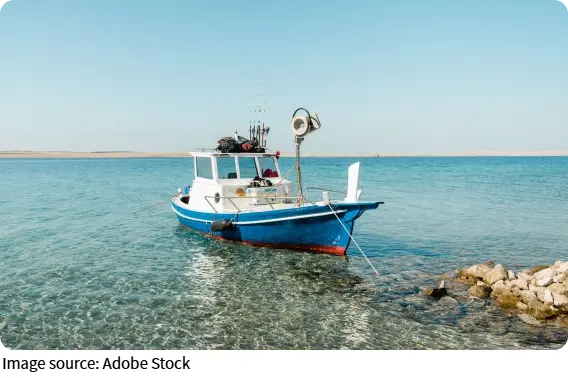
Boarding and Exiting the Boat
Getting in and out safely prevents falls and capsizing.
1. Use Designated Docks – Avoid stepping on rocks or uneven surfaces. Most parks have clearly marked boarding areas.
2. Step Carefully – Step in with one foot first, keeping your weight centered. Hold onto rails or the dock until all passengers are seated.
3. Sit Before Paddling – Stay seated during the entire ride. Standing can shift the center of gravity, increasing the risk of tipping.
Tip: when leaving the boat, reverse the process—keep weight centered and move slowly to the dock. Small missteps often cause minor falls or soaked shoes.
Paddling Techniques and Water Awareness
Proper handling of the boat makes the experience smoother and safer.
1. Coordinate Paddling – If multiple people are rowing, synchronize strokes to maintain balance and direction.
2. Avoid Sudden Movements – Leaning or sudden shifts can destabilize the boat. Move deliberately, especially when turning or adjusting seating.
3. Watch for Obstacles – Stay clear of shallow areas, rocks, and floating debris. Maintain a safe distance from other boats to prevent collisions.
Practical tip: practice gentle, steady strokes near the dock before venturing further. This helps passengers get a feel for the boat's responsiveness.
Weather and Timing Considerations
Even in a small park, weather conditions impact safety.
1. Calm Conditions – Avoid boating during strong winds or storms, which can make the boat hard to control.
2. Sun Protection – Bring sunscreen, hats, and water. Reflections off the water intensify UV exposure.
3. Early or Late Outings – Morning and late afternoon are ideal for quiet waters and lighter crowds, reducing the chance of collisions.
Example: if clouds start forming quickly, head back to shore immediately. Weather can change fast, and early caution prevents emergencies.
Emergency Preparedness
Even minor incidents can be managed with foresight.
1. Know the Exits – Familiarize yourself with the nearest docks before venturing into the lake.
2. Keep Communication Handy – Carry a phone in a waterproof pouch or keep it with someone on shore.
3. In Case of Capsizing – Stay calm, hold onto the boat, and wait for assistance if needed. Do not attempt to swim long distances in unfamiliar water.
Actionable advice: before setting off, ask park staff about the location of safety equipment and emergency protocols. A brief conversation can make a big difference.
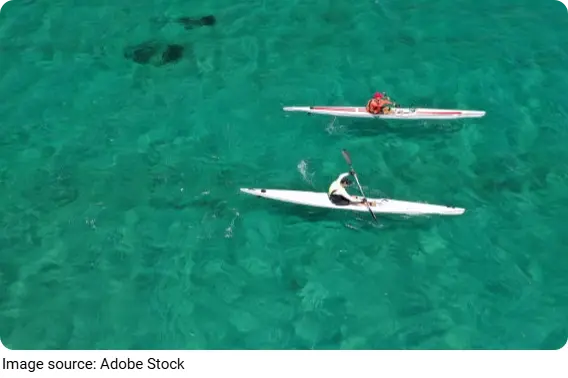
Rowing across a serene park lake can be an idyllic way to spend an afternoon, but the enjoyment hinges on simple precautions. By choosing the right boat, wearing life jackets, following proper boarding techniques, and respecting weather and water conditions, you ensure that the experience remains both peaceful and safe.
A mindful approach allows you to focus on the scenery and company, knowing that each ripple on the water is part of a well-prepared adventure.