Sognefjellet Road Trip Plan

Caroll Alvarado
| 09-02-2026
 · Travel team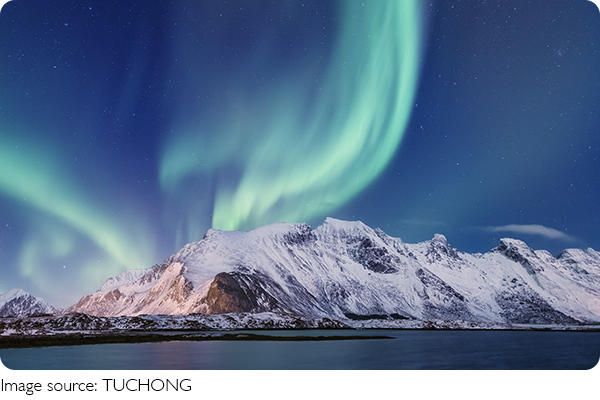
There's a moment on Sognefjellet when the road climbs above the tree line and everything goes quiet. The landscape opens into rock, snowfields, and wide sky, and you realize this drive isn't just about getting from one place to another.
It's about pacing yourself through one of Norway's most dramatic mountain passes and knowing how to plan it without stress.
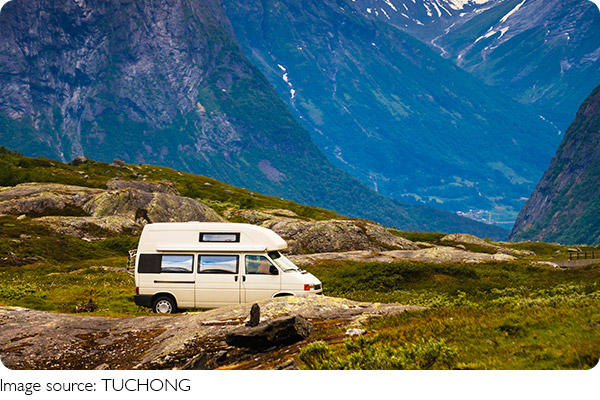
Sognefjellet is the highest mountain road in Northern Europe, cutting through Jotunheimen National Park and linking Lom with the inner Sognefjord area near Gaupne or Skjolden. A good road trip here isn't rushed. It's planned with weather, daylight, and budget in mind.
When to go and why timing matters
Sognefjellet is not open year-round. The road usually opens in late May or early June and closes again around October, depending on snow conditions. Even in midsummer, snowbanks often line the road, which is part of the experience but also a reminder to prepare.
The best window for a road trip is from mid-June to early September. During this period:
1. Daylight is long, making it easier to stop without rushing.
2. Mountain weather is more stable, though still unpredictable.
3. Visitor services along the route are open.
July and early August are the busiest. If you prefer quieter roads, late June or early September are better choices. Start your drive early in the day. Leaving before 8 a.m. often means fewer vehicles and calmer viewpoints.
Route overview and key stops
The classic drive runs along Route 55, covering roughly 108 kilometers (about 67 miles). Without stops, it takes around 2.5 hours. With stops, expect half a day.
Key places worth planning for:
1. Lom: A practical starting point with fuel, shops, and bakeries. Fill up here, as services are limited higher up.
2. Sognefjellshytta area: One of the highest points on the route, ideal for short walks and photos.
3. Jotunheimen viewpoints: Pull-offs are frequent. Use designated areas only.
4. Descent toward Skjolden or Gaupne: The landscape shifts from alpine to fjord views.
There's no entrance ticket for the road itself. Viewpoints and pull-offs are free, but parking outside marked areas is discouraged.
Transportation options
Driving is the most flexible way to experience Sognefjellet. Public transport is limited and doesn't allow easy stops.
Car rental costs vary by season:
• Small car: around $90–130 per day in summer.
• Mid-size vehicle: around $130–180 per day.
Fuel prices are high by international standards. Budget roughly $9–10 per gallon. The full Sognefjellet drive plus nearby detours usually costs $40–60 in fuel.
Electric vehicles are common in Norway, but charging options across the pass are sparse. Fully charge before starting, especially in colder weather.
Daily budget breakdown
For a one-day road trip with an overnight stay nearby, a realistic per-person budget looks like this:
1. Car rental share: $50–90
2. Fuel: $20–30
3. Accommodation (guesthouse or cabin): $70–120
4. Food from shops or simple cafés: $25–40
Total: around $165–280 per person per day, depending on comfort level and group size.
Booking accommodation in advance is strongly recommended during summer. Small lodges and cabins fill quickly.
Weather and safety planning
Mountain weather changes fast. Clear skies in Lom don't guarantee the same conditions at the top.
What to do:
1. Check the forecast the morning of your drive.
2. Pack a warm layer, even on sunny days.
3. Keep snacks and water in the car.
What not to do:
1. Assume summer means warm temperatures.
2. Drive at night to “save time.”
3. Stop in unmarked areas for photos.
Road conditions are generally good, but fog, wind, and sudden rain are common. Drive slowly and expect sheep on or near the road.
How to make the drive more meaningful?
The core insight for Sognefjellet is simple: less distance, more presence. This isn't a road to rush.
Plan fewer stops, but stay longer at each. Walk a short stretch instead of hopping between viewpoints. Let silence be part of the experience.
Many travelers try to combine Sognefjellet with multiple long drives in one day. That usually leads to fatigue and missed details. It's better to treat this route as the main event, not a connector.
As the road descends and the air warms, you'll notice how sharply the landscape changes. That contrast is what stays with most people long after the trip ends.
When you plan Sognefjellet with time, budget, and flexibility in mind, the drive stops feeling like a checklist item. It becomes a quiet line through mountains that asks you to slow down, look longer, and drive with intention.