French Cooking for Beginners

Pardeep Singh
| 11-02-2026
 · Cate team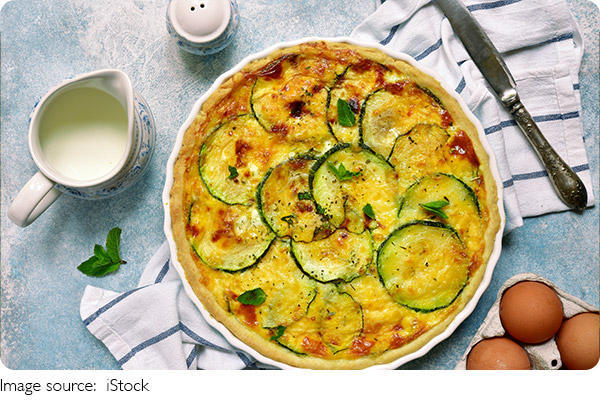
The smell of butter sizzling in a pan, the gentle simmer of a sauce, and the sight of a golden crust on a freshly baked quiche—French cooking can feel intimidating at first, but it doesn't have to be.
With a few essential techniques, fresh ingredients, and careful attention, even beginners can recreate the flavors of French cuisine at home. The secret is understanding the basics and building from there.
1. Mastering Sauces
Sauces are at the heart of French cooking, turning simple ingredients into something rich and complex. Classic sauces like béchamel, velouté, and tomato-based sauces form the foundation for many dishes.
Practical example: start with a simple béchamel by melting butter, whisking in flour, and gradually adding milk while stirring continuously. Season with a pinch of nutmeg and salt. This sauce works for gratins, creamy pasta dishes, or as a base for soufflés. Tip: always add the milk gradually to avoid lumps and achieve a smooth, velvety texture. Once you're comfortable with one sauce, variations become easier to handle.
2. Essential Ingredients
French cuisine relies on high-quality, fresh ingredients. Butter, cream, fresh herbs like thyme and parsley, garlic, onions, and seasonal vegetables form the backbone of most recipes.
Example: for a simple ratatouille, sauté sliced zucchini, bell peppers, and eggplant with olive oil, garlic, and fresh herbs. The combination of fresh ingredients with proper seasoning allows natural flavors to shine. Storing vegetables properly and using fresh herbs at the end of cooking preserves taste and color. Even a basic dish can taste sophisticated when ingredients are thoughtfully selected.
3. Cooking Techniques
Learning key techniques is more important than memorizing complex recipes. Sautéing, braising, roasting, and poaching are common methods that elevate even simple ingredients.
Example: for a pan-seared chicken, heat butter and oil in a skillet, season the meat, and sear until golden brown on both sides. Finish cooking in the oven if needed. Controlling heat and timing ensures the meat stays juicy and flavorful. A practical tip is to always let meats rest after cooking; this allows juices to redistribute, enhancing texture and taste.
4. Baking Basics
French cuisine also shines in baking, from simple breads to delicate tarts. Understanding dough, egg wash, and proper oven temperatures is key.
Example: for a fruit tart, use a shortcrust pastry as a base, blind bake until lightly golden, then fill with custard or fresh fruit. Pay attention to dough thickness and oven placement to prevent sogginess or uneven baking. Small touches, like brushing the crust with egg wash, can transform the appearance and flavor, making a home-baked tart feel professional.

5. Presentation and Finishing Touches
French cooking isn't just about taste; presentation matters. Simple plating techniques, garnishes, and attention to color make dishes feel elegant.
Example: drizzle a little herb-infused oil over a roasted vegetable medley, sprinkle chopped parsley on top, or add a few microgreens for color contrast. Even a casual meal becomes more special with thoughtful finishing touches. Serve dishes warm, and arrange components neatly on the plate to make every meal feel intentional.
French cooking at home is about patience, observation, and attention to detail rather than complexity. Master a few sauces, use fresh ingredients, practice essential techniques, and focus on presentation, and you'll find that French cuisine is accessible to anyone. Cooking becomes a creative and satisfying experience, turning simple meals into flavorful, visually appealing dishes that bring the charm of France into your own kitchen.