Smart Apartment Design Guide

Pankaj Singh
| 12-02-2026
 · Lifestyle team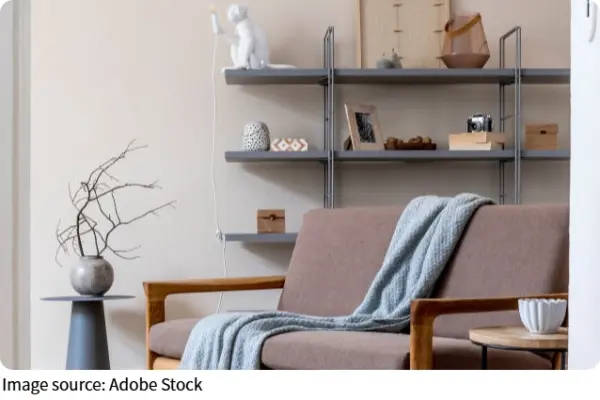
Keys drop onto a narrow entry table, a bag slides onto the nearest chair, and suddenly a compact apartment feels even smaller than it really is.
Limited space has a way of magnifying every design mistake—but it also rewards every smart decision. With the right layout, lighting, and storage choices, even a modest apartment can feel open, organized, and deeply comfortable.
Good apartment design isn't about squeezing in more furniture. It's about helping daily life flow smoothly from morning to night. When each corner has a clear purpose, the entire home begins to feel larger than its floor plan suggests.
Planning zones instead of rooms
Apartments often combine living, dining, and working into one shared area. Clear zoning keeps the space functional without adding walls.
Visual boundaries through rugs
A rug under the sofa group signals a relaxation area, while a different texture beneath a table suggests dining or work. These subtle cues organize the room without blocking light.
Furniture placement that guides movement
Positioning a sofa with its back toward the entry can gently separate living space from circulation paths, making the layout feel intentional rather than crowded.
Consistent spacing between zones
Leaving small walkways—around 60 to 90 centimeters—helps movement feel natural and prevents the room from feeling packed.
Actionable example: Sketch your main room on paper and label three clear zones such as rest, work, and dining. Rearranging furniture to match the sketch often improves flow immediately.
Choosing furniture that works harder
Every piece inside a compact home should justify the space it occupies. Multifunctional design becomes essential rather than optional.
Hidden storage inside seating
Benches or ottomans that open up can store blankets, books, or seasonal items while still serving as seating.
Foldable or extendable surfaces
Drop-leaf tables and wall-mounted desks expand only when needed, freeing valuable floor space the rest of the day.
Scaled proportions for small rooms
Slim arms on sofas, raised legs on cabinets, and shallow shelves prevent visual heaviness and allow light to pass through.
Actionable example: Replace one bulky table with a folding version and observe how much easier it becomes to clean, walk, and rearrange the room.
Light that expands the feeling of space
Brightness changes perception more than square footage does. Thoughtful lighting can make a compact apartment feel open and calm.
Layered lighting at different heights
Combining ceiling fixtures, floor lamps, and table lamps removes harsh shadows and adds depth to the room.
Mirrors that reflect daylight
Placing a mirror opposite a window spreads natural light farther inside and visually doubles the sense of openness.
Warm color temperature for comfort
Soft white bulbs create a welcoming mood that encourages relaxation after long days.
Actionable example: Add a mirror near your main light source and compare the room during daytime and evening. The difference in brightness is often immediate.
Storage that keeps clutter invisible
In small homes, visible clutter quickly overwhelms the design. Effective storage protects both order and peace of mind.
Vertical shelving to use wall height
Tall bookcases and stacked cabinets store more without consuming extra floor area.
Closed cabinets for visual calm
Doors and drawers hide everyday items, allowing surfaces to remain clean and restful to the eye.
Dedicated places for daily essentials
Hooks near the entrance, trays for keys, and drawer organizers prevent small objects from spreading across the home.
Actionable example: Create a single “drop zone” near the entry for keys, bags, and mail. Containing these items in one spot reduces mess throughout the apartment.
Colors and textures that open the room
Material and color choices influence how spacious a home feels, even without moving walls.
Light neutral base tones
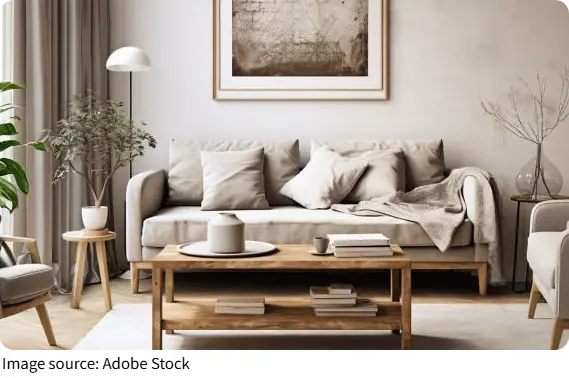
Soft whites, gentle grays, and pale natural shades reflect light and make boundaries feel less confined.
Subtle contrast for depth
A slightly darker cushion, curtain, or artwork prevents the space from feeling flat while keeping harmony.
Limited material palette
Repeating similar wood tones or fabrics across furniture creates unity instead of visual noise.
Actionable example: Choose one main neutral color and repeat it across walls, curtains, and large furniture pieces. Consistency alone can make the apartment appear more spacious.
A well-designed apartment doesn't depend on size or luxury. It grows from small, thoughtful decisions that support real routines—where you place your shoes, how you switch on the lights at night, and whether your table invites you to sit or simply collects clutter.
When space is limited, intention becomes powerful. Each cleared surface, softened light, and carefully chosen piece of furniture adds a quiet sense of ease. And over time, that ease is what truly makes a place feel like home.