Mysteries of the White Tiger

Mukesh Kumar
| 12-02-2026
 · Animal team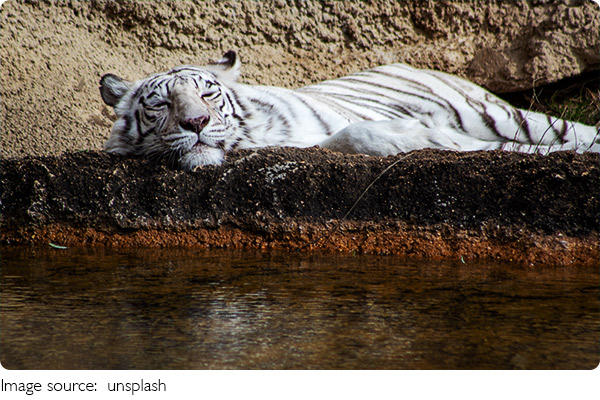
A glimpse of a White Tiger in the wild or in captivity is unforgettable. Its striking pale coat, piercing blue eyes, and powerful presence captivate anyone lucky enough to see it.
But beyond the stunning appearance, this tiger has fascinating behaviors, survival strategies, and social nuances that make it an extraordinary predator to study.
Distinctive Appearance
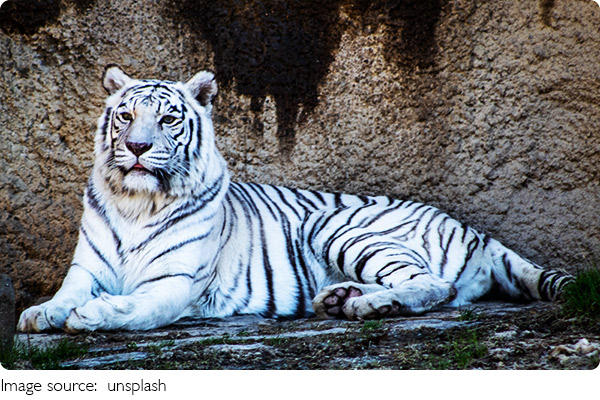
White Tigers are not a separate species—they are a color variation of the Bengal tiger, displaying a rare genetic trait called leucism. Their coat ranges from pure white to cream, marked with black or dark brown stripes. The contrast of their coat is not just for show; it plays a role in camouflage in certain environments like snowy or lightly vegetated areas.
Actionable example: When observing a White Tiger in a sanctuary, notice how its stripes break up its silhouette. This natural pattern helps the tiger blend with shadows and foliage, a subtle trick used during hunting.
Hunting and Feeding Habits
White Tigers are apex predators, relying on stealth, strength, and patience. They can stalk prey silently for long distances, using their muscular bodies to spring into action at the right moment. They mainly hunt medium to large herbivores but will adjust their diet based on availability.
Actionable example: Watching a tiger's stalking behavior at a sanctuary or through video footage reveals how it crouches low, moves slowly, and waits for the perfect opportunity. This teaches patience and observation skills for wildlife enthusiasts.
Social Behavior and Territory
Unlike lions, tigers are mostly solitary. Each White Tiger maintains a territory, marking it with scent markings, scratch marks, and vocal calls. Males have larger territories that may overlap with several females, while females' ranges are smaller, focusing on raising cubs.
Actionable example: Track the scent-marking behavior in captivity or wildlife documentaries. Observe how the tiger rubs its face and sprays scent—this communicates dominance and territorial boundaries without confrontation.
Reproduction and Raising Cubs
Female White Tigers are attentive mothers, giving birth to litters of one to four cubs. Cubs are born blind and vulnerable, relying entirely on their mother's care. Mothers teach them essential hunting skills through play and guided exploration, building the foundation for survival.
Actionable example: If visiting a wildlife reserve, watch how a mother interacts with her cubs. Notice the gentle nudges, protective positioning, and playful exercises—these are practical lessons in nurturing and teaching behaviors in predators.
Communication and Senses
White Tigers communicate through roars, growls, chuffing sounds, and body language. Their acute senses of smell, hearing, and sight allow them to detect prey, rivals, and environmental changes efficiently. A flick of the ears, tail position, or a subtle vocalization conveys meaning to other tigers and even to human observers.
Actionable example: During an educational visit, pay attention to how the tiger reacts to new stimuli—a moving object or unfamiliar scent. Understanding these reactions provides insight into their communication and sensory awareness.
Conservation and Challenges
White Tigers are extremely rare in the wild due to habitat loss, human interference, and selective breeding in captivity. Conservation efforts focus on preserving natural habitats, preventing inbreeding, and supporting wildlife sanctuaries that prioritize the tiger's health and natural behaviors.
Actionable example: Support or volunteer with organizations that protect tigers. Observing ethical breeding and habitat preservation programs highlights the importance of responsible wildlife care and conservation strategies.
The White Tiger's rarity and beauty make it more than just an iconic image of the wild. Observing their behavior, intelligence, and adaptations gives a deeper appreciation for these majestic predators and highlights the urgent need to protect their natural environment. Spending time learning about them reminds us of the delicate balance between humans and wildlife, encouraging responsible stewardship and awe for one of nature's most extraordinary creatures.