Playful World of Ponies
Nolan O'Connor
| 12-02-2026
 · Animal team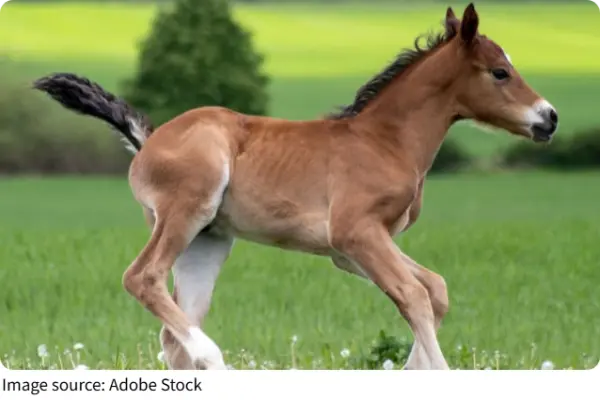
Ponies are often admired for their size and gentle appearance, but they hold far more depth than many assume.
Watching a pony interact with its surroundings, other ponies, and humans reveals intelligence, curiosity, and unique personality traits. These small horses have adapted to a variety of climates and terrains, making them resilient companions and fascinating animals to study.
Physical Traits and Adaptations
Ponies are generally smaller than horses, standing under 14.2 hands (58 inches) at the withers. Despite their size, they are strong and often more robust than larger horses. Their thick manes, tails, and coats provide insulation against cold weather, and their stocky legs allow them to carry weight efficiently. Many breeds have strong hooves that require less maintenance compared to some larger horses.
Actionable example: When visiting a stable, observe how a pony navigates uneven ground. Notice the way it plants its hooves firmly and balances its weight—these adaptations help them thrive in rough terrain.
Social Behavior and Herd Dynamics
Ponies are social creatures and often form strong bonds with herd members. Within a group, they establish hierarchies through body language and subtle interactions such as nipping or positioning. Herd life provides protection, social learning, and companionship, which are crucial for their well-being.
Actionable example: Spend time observing a small herd. Note the interactions between dominant and subordinate ponies. Understanding these cues helps in safely integrating new ponies or managing group activities.
Intelligence and Problem-Solving
Ponies are intelligent and capable of learning complex tasks. They can recognize familiar humans, remember routes, and solve simple problems, such as opening gates or finding food in tricky spaces. Their curiosity encourages exploration, which strengthens cognitive development.
Actionable example: Try a simple puzzle feeder in a supervised environment. Watch how the pony figures out how to access the food. This demonstrates their problem-solving skills and willingness to engage mentally.
Communication and Expressions
Ponies communicate through vocalizations like nickers, snorts, and whinnies, as well as body language including ear position, tail movement, and head gestures. Observing these signals allows caretakers to understand moods, needs, and potential conflicts.
Actionable example: When approaching a pony, watch its ears. Forward ears indicate curiosity or attentiveness, while pinned-back ears may signal discomfort. Using these cues enhances safe and effective interaction.
Reproduction and Caring for Young
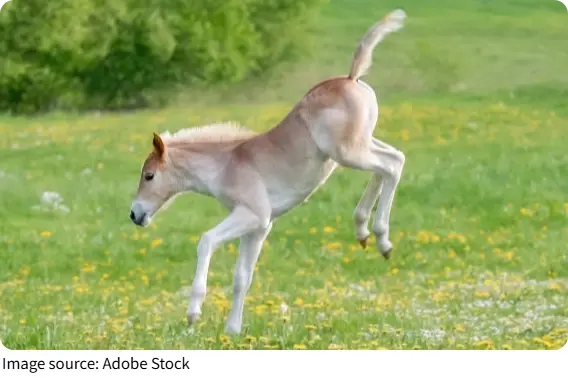
Female ponies, or mares, typically give birth to a single foal after an 11-12 month gestation. Mares show strong maternal instincts, keeping close watch over their young and guiding them in social behavior. Foals learn to navigate their environment and communicate through observing both their mother and herd mates.
Actionable example: Observe a foal's first interactions with its mother. Note how it mimics movements, follows guidance, and gradually gains independence—this early learning sets the stage for social and survival skills.
Adaptability and Human Interaction
Ponies are highly adaptable to different climates and human uses. They are employed for riding, driving, therapy programs, and as companion animals. Their smaller size and gentle nature make them ideal for children and adults learning horsemanship.
Actionable example: Engage in a supervised pony ride or grooming session. Pay attention to how the pony responds to gentle cues and guidance. This highlights their cooperative nature and ability to work with humans while retaining individuality.
Ponies are much more than charming small horses. Their intelligence, social skills, and adaptability make them fascinating to observe and interact with. Spending time with ponies offers a unique window into their world, allowing a deeper appreciation for these resilient, playful, and thoughtful animals.