Choosing Art for Your Walls

Caroll Alvarado
| 12-02-2026
 · Lifestyle team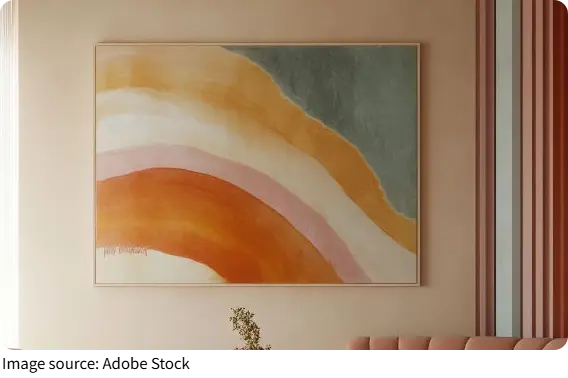
A blank wall can feel like a missed opportunity. That empty space isn't just decoration—it's a way to express personality, spark conversation, or even change the mood of a room.
Picking the right wall art might seem overwhelming, but with a few clear steps, you can turn any space into something memorable.
Consider the Room's Purpose
The function of a room should guide your art choices. A bedroom calls for calming visuals, while a living area can handle more vibrant or dynamic pieces.
1. Bedroom serenity: Soft landscapes, abstract pastels, or gentle botanical prints help create a restful atmosphere. Avoid overly bright or chaotic designs that might keep your mind active at night.
2. Living room energy: Bold abstracts, cityscapes, or large-format photography can become conversation starters. Consider pieces that reflect your personality or hobbies.
3. Workspace focus: Motivational or structured art, like geometric designs or inspirational quotes in clean frames, can boost concentration.
Actionable example: Before buying, sit in the room for a few minutes and notice what mood you want to feel. Choose artwork that naturally enhances that feeling.
Size and Scale Matter
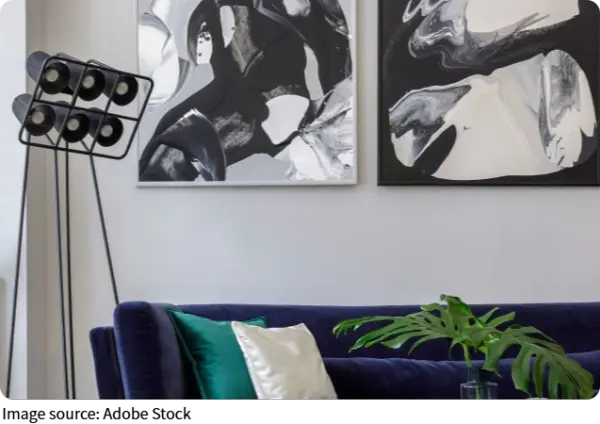
Artwork that's too small can get lost on a large wall, while oversized pieces can overwhelm a modest room. Balancing size and scale ensures harmony.
1. Measure the wall: Aim for artwork that covers about 60–75% of the available space above furniture.
2. Grouping smaller pieces: A gallery wall with multiple smaller artworks can create visual interest. Keep frames consistent in color or material for cohesion.
3. Ceiling height consideration: Tall ceilings can handle vertical pieces, while low ceilings benefit from wider, horizontal art.
Actionable example: Use painter's tape to outline potential artwork dimensions on the wall. This helps visualize size before committing.
Color Palette Coordination
Your artwork should harmonize with existing colors in the room. It doesn't have to match exactly, but complementary shades create balance.
1. Pull from furniture or decor: A painting with hints of your sofa or rug color creates subtle unity.
2. Contrast for impact: A neutral wall can host bold colors for a striking focal point.
3. Seasonal swaps: Consider rotating prints or framed posters according to season or mood, keeping the room feeling fresh.
Actionable example: Pick one dominant color from your room and look for art with a similar shade or an accent that ties in naturally.
Frame and Material Choices
The way art is presented can enhance its impact. Frames, canvas wraps, or acrylic mounts change how a piece reads in a room.
1. Frame style: Minimalist black or white frames keep focus on the artwork, while wooden frames add warmth and texture.
2. Glass vs. acrylic: Glass protects prints but can reflect light. Acrylic is lighter and less reflective but slightly pricier.
3. Canvas and mixed media: Textured canvas or layered pieces add depth, making the art feel more immersive.
Actionable example: Take a small sample frame or material swatch to the room before purchasing to see how it interacts with light and furniture.
Personal Meaning and Story
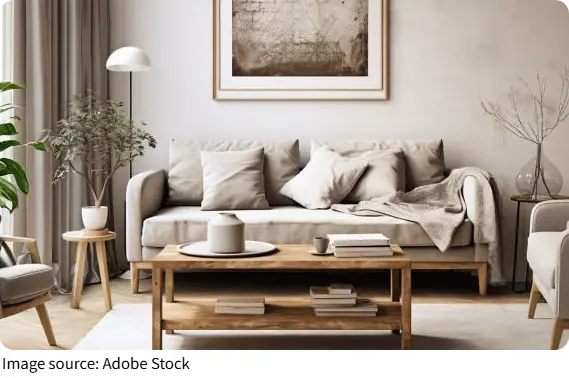
Art is more than decoration—it tells a story. Choosing pieces that resonate personally ensures you enjoy them for years.
1. Travel memories: Framed photos or prints from trips can spark happy recollections and conversations.
2. Local artists: Supporting emerging artists often gives you a unique piece with character and narrative.
3. Hobby inspiration: If you love music, cooking, or sports, curated art reflecting those passions adds personality.
Actionable example: Select one wall where all artwork reflects personal stories, creating a “memory gallery” that's meaningful and cohesive.
Placement and Lighting
Even the best piece can look dull without proper placement and lighting.
1. Eye-level display: Hang artwork so the center is roughly 57–60 inches from the floor, the average eye level.
2. Avoid glare: Position lights to enhance the piece without creating reflections. Adjustable track lighting or wall-mounted picture lights work well.
3. Spacing and grouping: Leave 2–4 inches between grouped frames for clarity. For a single statement piece, give it room to breathe.
Actionable example: Use a soft, directional lamp to highlight key artwork. Try different angles before final installation to avoid unwanted shadows or glare.
Choosing wall art is an opportunity to blend style, personality, and mood into a room. By considering purpose, scale, color, framing, and personal meaning, you transform walls from empty surfaces into vibrant, expressive spaces. The right pieces don't just decorate—they make a room feel complete, inviting, and unmistakably yours.