Donkey Wonders

Elena Rossi
| 13-02-2026
 · Travel team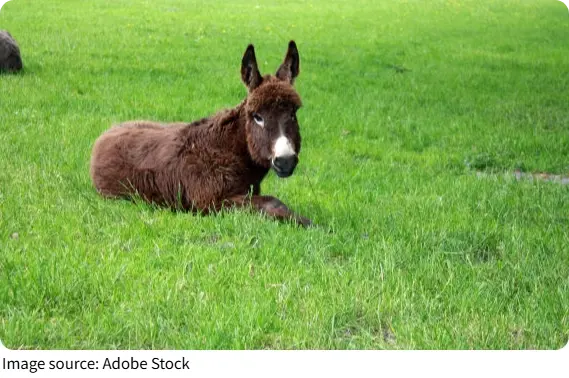
Have you ever paused to watch a donkey in a field? Their calm, deliberate movements might make them seem slow, but donkeys are far more fascinating than they appear.
These humble animals have unique skills, personalities, and survival strategies that make them remarkable companions and workers.
Let's explore some intriguing facts about donkeys that reveal just how special they are.
Unexpected Intelligence
Donkeys are often underestimated, but they are highly intelligent animals. They think independently and assess situations carefully, which can sometimes make them appear stubborn.
1. Problem-solving: Donkeys can figure out ways to reach food that isn't immediately accessible. They often test different approaches before acting.
2. Memory skills: They remember locations, people, and even other animals for years.
3. Social awareness: Donkeys recognize familiar animals and humans, and they can sense danger, which helps them avoid risky situations.
Practical example: If a donkey refuses to enter a trailer, it's usually evaluating the risk rather than being stubborn. Giving it time and showing safety can encourage cooperation without force.
Remarkable Strength and Endurance
Though smaller than horses, donkeys are incredibly strong for their size and built for stamina rather than speed.
1. Carrying capacity: A healthy donkey can carry up to a third of its body weight safely.
2. Tough terrain: They excel at navigating rocky paths, steep hills, and uneven ground where heavier animals might struggle.
3. Energy efficiency: Donkeys require less food and water than horses for similar work, making them ideal for arid regions.
Practical example: Farmers often rely on donkeys to transport firewood or produce across hilly landscapes where vehicles cannot reach.
Distinct Communication Skills
Donkeys communicate in ways that are often overlooked but very sophisticated. Their brays, body language, and ear movements carry meaning.
1. Braying: Each bray can convey alarm, excitement, or a call for attention.
2. Ear and tail signals: Ear positions indicate curiosity, alertness, or irritation.
3. Social cues: Donkeys respond to gestures and sounds from other donkeys or humans, making them sensitive companions.
Practical example: A donkey pulling back its ears and braying might be warning of an unseen threat nearby, showing keen observation skills.
Adaptability and Survival Skills
Donkeys thrive in environments where other animals might struggle. Their adaptability makes them excellent survivors.
1. Food variety: They can digest coarse, fibrous plants that horses often avoid.
2. Water management: Donkeys can go long periods without water, making them suitable for arid climates.
3. Cold and heat resilience: With a simple coat and proper shelter, donkeys tolerate both high temperatures and cool nights.
Practical example: In regions with sparse vegetation, donkeys can forage on shrubs, grass, and leaves that other animals cannot digest efficiently.
Gentle Temperament and Bonding
Despite their independent nature, donkeys can form strong bonds with humans and other animals. They often show affection and loyalty.
1. Companion animals: Donkeys enjoy social interaction and can calm nervous livestock like horses or goats.
2. Protective instincts: They may guard smaller animals against predators, using their alertness and loud bray.
3. Emotional connection: Donkeys recognize familiar humans and respond to care with trust and affection.
Practical example: A donkey living with goats or sheep often stays close to them and may bray to alert the owner if something seems wrong, showing both loyalty and awareness.
Donkeys are more than just work animals—they're intelligent, strong, and socially aware creatures with remarkable survival instincts. Observing their behaviors closely can teach patience, respect, and appreciation for their unique ways of navigating the world. Whether in a farm setting or as a companion, donkeys prove that strength, smarts, and sensitivity can come in small, furry packages.