How to Pick Hiking Shoes

Arjun Mehta
| 14-02-2026
 · Travel team
Slipping on the wrong shoes can turn an exciting hike into a painful experience.
Hiking shoes aren't just about style—they're about support, traction, and protecting your feet over uneven terrain.
Choosing the right pair takes more than just picking your usual size; every trail and every foot has different needs.
Understand Your Hiking Needs
Not all hiking shoes are built for the same type of terrain. Lightweight shoes work well for short, smooth trails, while sturdier boots are better for rocky or wet paths. Consider how often and where you plan to hike, as this will guide your selection.
Tips:
Day hikes on well-maintained trails: choose low-cut shoes with flexible soles.
Extended trips or uneven terrain: mid- or high-cut boots provide extra ankle support.
Wet or muddy areas: waterproof materials help keep feet dry and comfortable.
Fit and Comfort
A proper fit is crucial to avoid blisters and foot fatigue. Feet can swell during long hikes, so allow a bit of extra space at the toes. Also, the heel should be snug to prevent slipping inside the shoe.
Tips:
Try shoes at the end of the day when feet are slightly swollen to mimic hiking conditions.
Wear the socks you plan to hike in while testing shoes.
Walk on different surfaces in the store to check comfort and support.
Sole and Traction
The sole determines how well your shoes grip the ground. Deeper treads handle slippery, loose, or uneven terrain better, while smoother soles work fine on flat trails. Cushioning in the midsole also impacts how your feet absorb shocks.
Tips:
Look for shoes with a durable rubber outsole for reliable grip.
Rocker-shaped soles can help with uphill or downhill movement.
Test traction on inclined or uneven surfaces if possible.
Material and Breathability
Hiking shoes come in leather, synthetic, or hybrid materials. Leather is durable and often water-resistant, while synthetic options are lighter and dry faster. Breathability prevents overheating and keeps feet more comfortable during long hikes.
Tips:
For hot climates: choose shoes with mesh panels for airflow.
For wet or cold conditions: waterproof leather or synthetic shoes protect against moisture.
Clean and dry shoes after each hike to extend their lifespan.
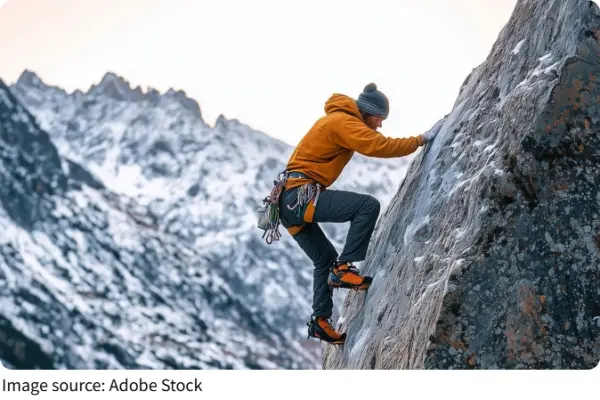
Weight and Packability
Lightweight shoes reduce fatigue over long distances, while heavier boots provide more stability and protection. Consider how much weight you're willing to carry and what balance you need between comfort and support.
Tips:
For multi-day hikes: lighter shoes help conserve energy.
For rugged or technical trails: prioritize support over weight.
Try on both options and walk with a small backpack to simulate hiking conditions.
Picking the right hiking shoes makes a noticeable difference in both safety and enjoyment. By considering terrain, fit, material, traction, and weight, you can find shoes that keep your feet comfortable and secure on every trail. A well-chosen pair turns challenging hikes into enjoyable adventures and helps you focus on the scenery instead of sore feet.