Antelope Canyon Wonders

Declan Kennedy
| 24-02-2026
 · Travel team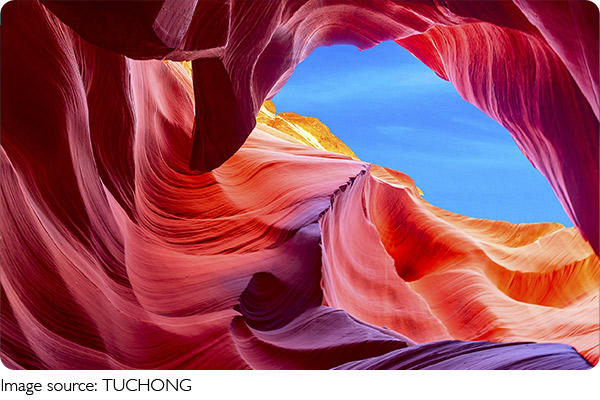
The sun starts its climb, and a thin shaft of light slices through the narrow sandstone walls, illuminating a dusty, rust-colored floor. Walking through Antelope Canyon feels like stepping into another world: smooth, flowing rock formations twist overhead, and every curve casts shadows that shift as the day progresses.
The silence is profound, broken only by the soft crunch of sand underfoot and the occasional whisper of fellow explorers. It's a place where time slows and every glance offers a new perspective.
Access and Ticket Tips
1. Guided tours only: Antelope Canyon is privately managed, so visitors must join a guided tour. Tour prices range from $60 to $90 per person, depending on the season and time of day.
2. Choose your canyon: There are two main sections—Upper and Lower Antelope Canyon. Upper is known for iconic light beams and is more accessible for walking, while Lower has steeper steps and tighter passageways, appealing to adventurous visitors.
3. Booking advice: Reserve your tour in advance, especially during spring and summer when light beams are most prominent. Early morning times often offer fewer crowds and softer lighting, perfect for photography.
Photography and Light Beams
1. Timing is everything: Midday light beams in Upper Canyon create dramatic contrasts with the orange walls. Tour guides often pause in key spots, giving you time to capture the perfect shot.
2. Camera settings: A wide-angle lens works best to capture the sweeping curves. Lower ISO settings prevent overexposure, and a tripod helps stabilize for longer exposures in shadowed areas.
3. Practical tip: Even if photography isn't your goal, pause frequently to look around. Each twist and narrow passageway reveals unique textures and patterns formed over thousands of years.
Understanding the Canyon's Formation
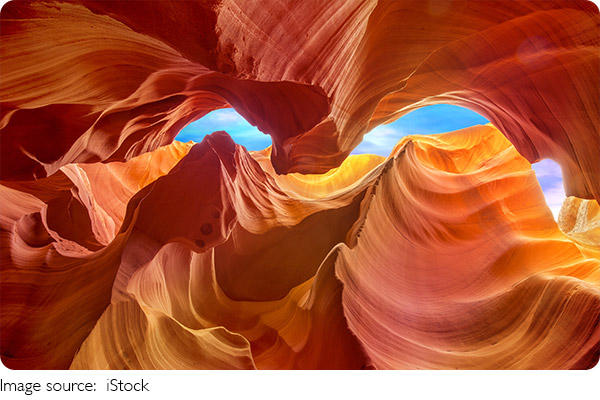
1. Water and erosion: Antelope Canyon was carved over millennia by flash floods and wind, smoothing sandstone into flowing curves. Each wave-like wall tells the story of erosion in action.
2. Colors and layers: Variations in mineral content give the canyon walls a palette of reds, oranges, and purples. Light interacts differently at various times of day, enhancing depth and contrast.
3. Educational tip: Guides often explain how sediment layers correspond to geological eras. Take notes or ask questions to better understand the natural forces that shaped the landscape.
Practical Tips for Visiting Antelope Canyon
- Book early: Tours often sell out, especially in spring and summer. Reserve online in advance to secure your preferred time.
- Choose your section wisely: Upper Canyon is easier for walking and iconic light beams, while Lower Canyon offers a more adventurous experience with tighter passages.
- Arrive prepared: Wear sturdy, closed-toe shoes and comfortable clothing suitable for warm, sandy conditions.
- Bring essentials: A small water bottle, sunscreen, and a hat will keep you comfortable during the tour.
- Photography tips: Wide-angle lenses capture the canyon’s curves; use a tripod or stable surface for low-light shots if allowed by your guide.
- Follow guide instructions: Stick with your group, move carefully through narrow passages, and avoid disturbing sand to protect visibility for everyone.
- Timing matters: Mid-morning to early afternoon provides the best light beams in Upper Canyon. Early tours are less crowded and ideal for photography.
- Check weather conditions: Avoid visiting during heavy rain due to flash flood risks. Tours may be canceled for safety reasons.
- Respect the environment: Touch the walls gently, follow marked paths, and leave no trash behind to preserve the canyon for future visitors.
Safety and Comfort Tips
1. Footwear and clothing: Wear sturdy, closed-toe shoes for walking over uneven sand and climbing low steps. Lightweight, breathable clothing is recommended for heat inside the canyon.
2. Stay hydrated: Bring water in a small, leak-proof bottle. Although tours are relatively short (1–2 hours), temperatures can rise quickly, especially in summer.
3. Mind the crowds: Follow guide instructions carefully. Narrow passages mean you'll move slowly, and it's easy to disturb sand that affects visibility and other visitors' experience.
Best Times to Visit
1. Spring and early summer: This period offers the most dramatic light beams, typically from late morning to early afternoon.
2. Off-peak hours: Early tours allow quieter exploration before larger groups arrive. Late afternoon tours provide softer lighting and warmer tones, ideal for artistic photography.
3. Weather awareness: Avoid visiting during heavy rain periods. Flash floods can make the canyon dangerous, and tours may be canceled for safety reasons.
Experiencing the Canyon Fully
1. Engage your senses: Touch the smooth walls, listen to the subtle echoes, and notice the shifting light. Observing these details brings a deeper connection to the natural environment.
2. Combine with nearby sights: Many visitors pair Antelope Canyon tours with visits to Lake Powell or Horseshoe Bend, creating a full day of exploration and natural wonder.
3. Reflection tip: Take a quiet moment at the end of your tour to absorb the scale and artistry of the canyon. It's easy to rush through, but lingering helps solidify memories and appreciation.
Walking through Antelope Canyon leaves a lasting impression beyond photographs. Each curve and light beam tells a story of patience, resilience, and the passage of time. Standing amid the soaring sandstone walls, you realize how nature can shape spaces that feel both intimate and monumental at the same time. On your next visit to a scenic desert or canyon, consider pausing to observe not just the view, but the subtle forces and patterns that created it—you might find that the smallest details leave the biggest impact.