Maldives Without Mistakes

Arjun Mehta
| 24-02-2026
 · Travel team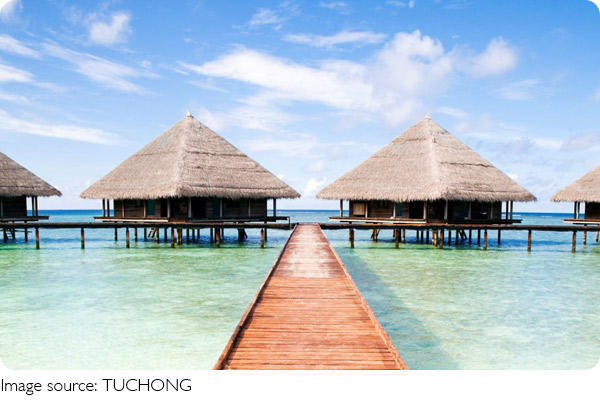
The first thing you notice isn't the water. It's the silence.
When the boat engine cuts off and you step onto the wooden jetty, the world feels softer. No traffic noise. No city hum. Just wind, waves, and the sound of your own footsteps.
That's the real magic of the Maldives—not just the color of the ocean, but the feeling of space.
But here's the truth: this trip can either feel effortless and dreamy—or surprisingly stressful and expensive—depending on how you plan it. The Maldives isn't one island. It's nearly 1,200 islands spread across 26 atolls. Choosing the right one is everything.
Let's focus on one core idea: pick the right island for your style and budget. That single decision shapes your entire experience.
Resort Island or Local Island?
There are two main ways to experience the Maldives:
- Private resort islands
- Local inhabited islands with guesthouses
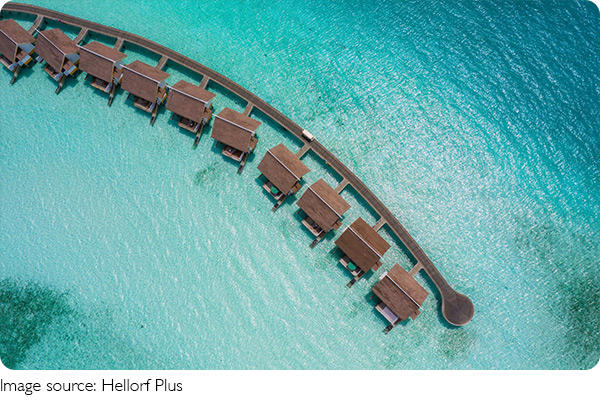
Private resort islands are what you see in photos—overwater villas, infinity pools, private decks. Prices typically range from $400 to $1,200+ per night for standard overwater villas. Transfers by speedboat or seaplane are often required and cost $100–$500 per person round trip, depending on distance.
Local islands are far more affordable. Guesthouses usually range from $60 to $150 per night, and public speedboats cost around $5–$30. The beaches are still stunning, though designated “bikini beaches” are the areas where visitors can swim freely.
If you want total privacy, on-site dining, and everything arranged for you, choose a resort island. If you prefer flexibility and saving money for excursions, a local island like Maafushi is a smart choice.
When to Visit (Weather Matters More Than You Think)
The Maldives has two main seasons:
- Dry season: December to April
- Wet season: May to November
Dry season offers sunny skies, calmer seas, and excellent visibility for snorkeling. It's also peak season. Prices can increase by 30–50% during this time.
Wet season doesn't mean constant rain. Showers are usually short and intense, often followed by sunshine. Resorts may offer discounts of 20–40% during this period.
If you want the best balance of price and weather, aim for late November or late April. You'll avoid peak crowds but still enjoy mostly clear skies.
Transportation: What No One Tells You
Once you land at Velana International Airport near Malé, your journey isn't over.
Resorts arrange transfers by:
- Speedboat (30–60 minutes)
- Seaplane (30–45 minutes, stunning aerial views)
Seaplane transfers typically operate only during daylight hours (roughly 6 a.m. to 4 p.m.). If your international flight arrives late, you may need to stay overnight near the airport.
Local tip: Always check transfer schedules before booking flights. A mismatch can cost you a full night's stay.
Snorkeling: The Real Highlight
Forget just lounging on the beach. The underwater world is what makes the Maldives unforgettable.
House reefs—reefs directly accessible from your island—are ideal. Some islands require boat trips for snorkeling, which can cost $25–$60 per person.
When choosing accommodation, ask:
- Is there a house reef within swimming distance?
- Are snorkeling fins and masks included?
- What's the best time of day for visibility?
Early morning, around 8–10 a.m., usually offers the calmest water and clearest visibility. Go before the sun gets too strong and before group excursions head out.
You'll likely see reef fish, rays, and vibrant coral formations. Even beginners can enjoy it, as water near the shore is often shallow and calm.
Daily Costs You Should Plan For
Food on resort islands can be expensive. Buffet dinners often range from $40 to $70 per person, unless you book half-board or full-board packages.
On local islands, meals at guesthouse restaurants usually cost $8 to $20.
Here's a simple budgeting approach:
Accommodation first
Transfers second
Excursions third
Excursions like dolphin watching, sandbank trips, or sunset cruises typically cost $30–$80 per person.
If you're staying 4–5 nights, plan at least one boat excursion and one relaxed free day. Don't overschedule. The Maldives is about slowing down.
Small Details That Change the Experience
- Bring reef-safe sunscreen. The sun is strong year-round.
- Pack light, breathable clothing. You won't need formal outfits.
- Stay hydrated—tropical heat can be deceptive.
Also, manage your expectations. Not every day will look like a postcard. Some days are cloudy. Some tides shift the shoreline. That's normal.
The beauty here isn't perfection. It's simplicity.
How Long Should You Stay?
Four nights is ideal for most travelers. Three can feel rushed, especially with transfers. More than six nights may feel repetitive unless you split your stay between two islands.
If your budget allows, try this approach:
- 2–3 nights on a local island
- 2 nights on a resort island
You'll experience both affordability and luxury in one trip.
The Maldives isn't just about overwater villas or clear lagoons. It's about choosing the right pace.
Some people arrive expecting constant excitement and leave feeling underwhelmed. Others arrive ready to slow down—and leave feeling restored.
So before you book anything, ask yourself one honest question: do you want luxury convenience, or quiet simplicity?
Once you know that, the rest becomes easy. And when you step onto that jetty and hear nothing but the ocean, you'll know you chose well.