Autumn Forest Hiking Prep

Amit Sharma
| 27-02-2026
 · Travel team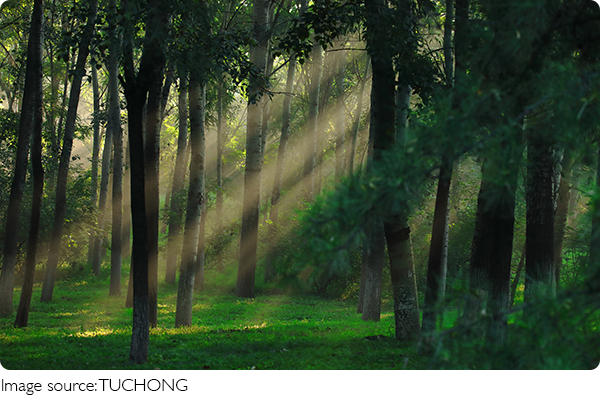
There's a moment in autumn when the forest feels almost unreal.
Leaves crunch under your boots, the air smells crisp and earthy, and sunlight filters through gold and red branches like stained glass.
It looks peaceful—and it is—but fall hiking comes with its own challenges. Cooler temperatures, shorter daylight hours, and slippery ground can catch you off guard if you're not ready.
A beautiful forest trail in autumn isn't just about scenery. It's about preparation that lets you enjoy it safely and comfortably.
1. Dress for Changing Temperatures
Layer wisely
Stay dry
Protect your feet
Autumn weather can shift within hours. Mornings may start near 5–10°C (40–50°F), then warm up by midday before cooling quickly again in late afternoon.
Wear breathable base layers. Synthetic or wool fabrics help regulate body temperature better than cotton, which traps moisture and can leave you chilled once you stop moving.
Add a light insulating layer like fleece. You can remove it easily if you warm up during uphill sections.
Bring a windproof or waterproof jacket. Fall rain showers can appear suddenly, especially in forested areas.
Footwear matters just as much. Wet leaves hide mud, roots, and uneven rocks. Choose hiking boots with solid traction and ankle support. Trail shoes are fine for dry, well-maintained paths, but once the ground gets slick, boots give you more stability.
Actionable example: Check the weather forecast the night before and again in the morning. Lay out your layers and pack one extra light layer even if the forecast looks mild. Forest temperatures can feel colder under dense canopy.
2. Plan Around Shorter Daylight
Start earlier
Track time
Carry light
In autumn, daylight shrinks quickly. By late season, sunset can arrive before 5 p.m. in some regions. Getting caught on a forest trail after dark without preparation can turn a simple hike into a stressful experience.
Begin your hike earlier than you would in summer. A 9 a.m. start gives you more flexibility than starting at noon.
Keep track of your pace. If you estimate a four-hour hike, set a turnaround time so you're heading back well before sunset.
Always carry a headlamp, even for short trails. Batteries are light; being stuck without light is not.
Actionable example: Before setting out, calculate your hiking time using a simple rule—about 3–5 kilometers (2–3 miles) per hour on moderate terrain. Add extra time for breaks and photo stops. Then set a firm turnaround point.
Forest paths can look very different in dim light. Roots, fallen branches, and uneven ground become harder to see, increasing the chance of tripping.
3. Prepare for Trail Conditions
Watch for slippery surfaces
Mind hidden obstacles
Stay on marked paths
Autumn leaves are beautiful, but they're also deceptive. A thick layer of fallen leaves can hide rocks, small holes, or exposed tree roots.
Slow down on downhill sections. Wet leaves reduce traction, even with good boots.
Use trekking poles if the trail is steep or muddy. They provide extra balance and reduce strain on knees.
Avoid stepping on moss-covered rocks or wooden bridges after rain—they can be surprisingly slick.
Actionable example: Test the ground before fully shifting your weight. Tap the surface lightly with your foot or trekking pole if visibility is poor. This simple habit can prevent ankle twists.
Stick to marked trails. Wandering off path increases the risk of getting lost, especially when fallen leaves obscure side routes.
4. Pack Smart and Light
Hydration
Nutrition
Emergency basics
Cooler air may reduce your sense of thirst, but your body still needs water. Dehydration can happen even when you're not sweating heavily.
Bring enough water for the length of your hike—at least half a liter per hour of moderate activity.
Pack energy-rich snacks like nuts, dried fruit, or whole-grain bars. These are lightweight and provide steady fuel.
Include a small first-aid kit, a map (digital and paper if possible), and a fully charged phone.
Actionable example: Pack your bag the night before and weigh it. If it feels heavy in your living room, it'll feel heavier halfway up a trail. Remove non-essentials and keep only what you'll realistically use.
If temperatures drop quickly in the afternoon, an emergency blanket or extra layer can make a significant difference in comfort.
5. Respect Wildlife and Environment
Keep distance
Store food properly
Leave no trace
Autumn is an active season for wildlife preparing for colder months. Animals may be gathering food or moving through forest corridors more frequently.
Keep a respectful distance if you encounter wildlife. Observe quietly without approaching.
Store snacks securely in your backpack. Avoid leaving food scraps behind.
Follow Leave No Trace principles—pack out everything you bring in.
Actionable example: Carry a small reusable bag for wrappers and leftover food. Make it a habit to check your rest spot before leaving to ensure nothing is left behind.
Autumn forests feel timeless, but they're delicate ecosystems. Responsible hiking keeps them healthy for future seasons.
The beauty of fall hiking isn't just in the colors—it's in the stillness, the cool air filling your lungs, and the steady rhythm of walking through a forest that's quietly shifting toward winter. Preparation doesn't make the experience less spontaneous. It gives you the freedom to slow down, notice details, and stay present without worrying about discomfort or avoidable risks.
With the right mindset and a little planning, an autumn forest hike becomes more than a walk. It becomes a pause in the year—a space where you move carefully, breathe deeply, and carry that calm back home with you.