Teens in the Digital World

Chris Isidore
| 28-02-2026
 · News team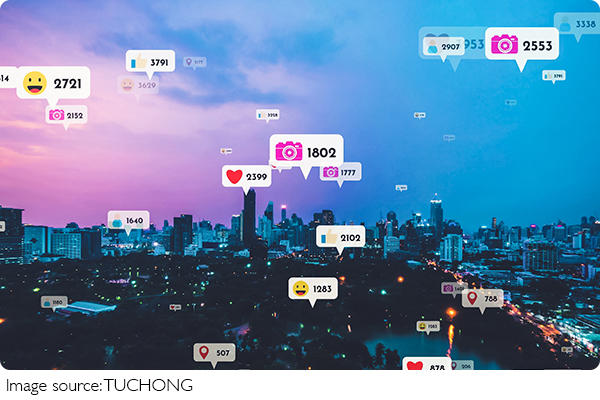
Social media has become a central environment for teenage development, shaping communication, identity, and social awareness.
Platforms designed for sharing images, messages, and short-form content now influence how teens interpret self-worth, friendship, and success.
While these tools offer connection and creativity, research shows that constant exposure also introduces psychological and social challenges. Understanding the effects of social media on teens requires careful examination of behavior patterns, emotional development, and long-term well-being rather than simple assumptions about technology itself.
Social Media as a Developmental Environment
Adolescence is a critical period for identity formation and social learning. During this stage, peer feedback carries exceptional weight. Social media amplifies this dynamic by making feedback immediate, visible, and often quantified through likes, views, or comments. These metrics subtly shape how teens evaluate popularity and acceptance.
Unlike traditional social interaction, online engagement rarely ends. Notifications extend social comparison beyond school hours, limiting emotional recovery time. This constant presence turns social media into an environment rather than a tool, influencing mood and attention throughout the day.
Self-Image and Social Comparison
One of the most documented effects of social media on teens involves self-image. Curated content often presents idealized versions of appearance and lifestyle. Repeated exposure to such images increases upward social comparison, where teens measure themselves against unrealistic standards.
Attention, Focus, and Cognitive Load
Social media platforms are designed to maintain attention through rapid content shifts and reward-based engagement. For teens, whose attention regulation skills are still developing, this design can fragment focus. Short bursts of stimulation reduce tolerance for sustained concentration.
Over time, constant switching between content streams may affect learning habits. Tasks that require patience or deep focus can feel less rewarding compared to instant feedback cycles. This does not indicate reduced ability but reflects adaptation to high-stimulation environments.
Emotional Expression and Validation
Online platforms provide teens with spaces to express thoughts, creativity, and opinions. Positive feedback can encourage confidence and social participation. However, reliance on external validation introduces vulnerability. When engagement drops or responses turn negative, emotional impact can be significant.
Emotional expression online also lacks full context. Tone, intention, and nuance are easily misinterpreted, leading to misunderstandings. These interactions may feel more intense because digital communication removes calming social cues such as face expression or immediate clarification.
Social Connection Versus Social Pressure
Social media supports connection across distance and shared interests. For teens who feel isolated in physical settings, online communities can offer belonging and understanding. These benefits are genuine and supported by research. At the same time, constant connectivity introduces pressure to remain visible and responsive. Delayed replies or absence from online spaces may create anxiety about social standing.
Sociologist and psychologist Sherry Turkle, who has spent decades researching how digital technologies shape human relationships and social life, observed that technology positions itself as the designer of how we form and experience intimacy with others.
Building Healthy Digital Habits
Balanced engagement, combined with offline interaction, reduces negative effects. Awareness of emotional responses helps teens recognize when online activity shifts from enjoyment to strain. Supportive environments that encourage reflection, creativity, and open discussion strengthen resilience. Teaching digital literacy enables teens to interpret content critically rather than internalize comparison.

Social media plays a powerful role in teenage life, influencing self-image, attention, emotional expression, and social connection. Its effects are complex, offering both opportunity and challenge. Understanding how social media affects teens allows families, educators, and communities to support healthier development without rejecting the digital world entirely. With balance and awareness, social platforms can remain tools for connection rather than sources of persistent pressure.