Fort Carré’s Coastal Watch

Declan Kennedy
| 28-02-2026
 · Travel team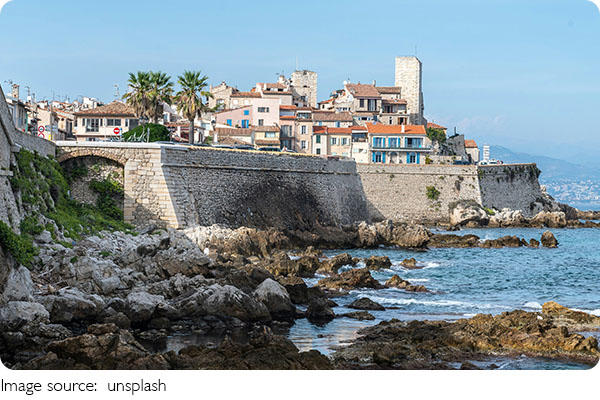
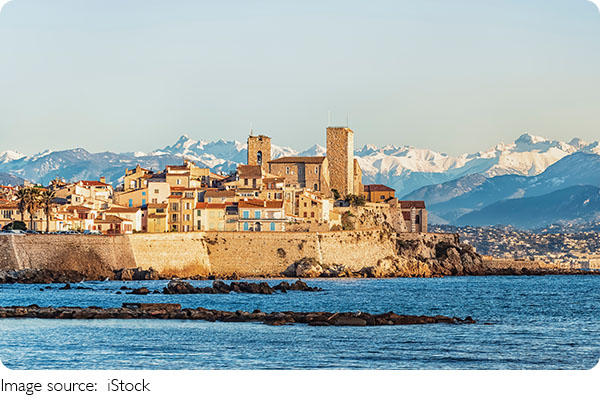
Perched on a rocky promontory just above Antibes' shimmering harbor, Le Fort Carré feels like a guardian of centuries past.
Its bastioned walls rise from the Mediterranean edge, and a walk along its ramparts reveals sweeping coastal views and layers of history etched into every stone.
Visiting here offers a vivid sense of place—where strategic design meets panoramic sea and town vistas, and quiet gardens frame ancient paths.
What Makes Fort Carré Special
Built in the 16th century and later shaped by defensive innovations, this fortress once helped secure the region's coastline and watch over maritime approaches. Its star shaped layout, typical of Renaissance defensive architecture, embodies mathematical precision and visual balance. The ramparts rise around 43 meters above the sea, creating dramatic vantage points that not only served strategic defense but now draw visitors eager to see the town and water from a new height.
Inside the fort, a network of chambers, ramparts, and quiet spaces reveals how life and defense intertwined here. You'll encounter former garrison quarters, stone lined paths, and the small chapel tucked within the walls, each offering insight into life on this elevated rock.
Visitor Information: Hours & Tickets
Fort Carré is open to the public most of the year, with details designed to help you plan your visit clearly:
Opening Hours – Generally open Tuesday through Sunday from 10:00 AM to 5:00 PM during the cooler season, with extended hours up to around 6:00 PM in summer (typically July and August). Visitor entry closes about 30 minutes before closing time.
Days Closed – The fort is closed on Mondays and on key holidays such as January 1, May 1, November 1, and December 25. In case of bad weather, the site may close for safety reasons, so it's wise to check ahead.
Ticket Prices – A full price visitor ticket is approximately €5, with reduced fares around €3 for students, teachers, and some other visitor categories. Free admission is typically offered to visitors under 18 and other eligible groups. Multi site museum passes are also available.
Guided tours are often available for free once you've paid admission and run at scheduled times, typically mid morning and mid afternoon—check available times on the day of your visit.
Getting There: Transport Options
Le Fort Carré's location above Antibes makes it accessible from several directions:
Walking from Antibes Centre – From Antibes' old town and harbor area, it's a pleasant 20–30 minute walk up toward the fort. Follow signs toward Avenue du 11 Novembre or the nearby stadium; the route is mostly flat until the final gentle incline up the park path.
Public Bus – Local buses on the Envibus network (such as Lines 10 or 14) stop within a few hundred meters of the fort entrance. Tickets are inexpensive and can be bought onboard or via a mobile app. The stop nearest the fort minimizes walking distance if you prefer to conserve energy.
By Car – If you're driving, signposted routes from Antibes centre lead to the Parking du Fort Carré, a free lot near the base of the hill. From there, it's about a 5 minute walk uphill to the ticket office.
Cycling – Antibes has coastal bike paths that make the ride to the fort scenic and relatively flat until the last short hill up. Nearby bike racks allow you to lock your bike before exploring on foot.
Exploring the Fortress
Once inside, Fort Carré becomes more than stone walls—it's a woven experience of structure, views, and quiet corners:
Rampart Walkways – Begin with a walk along the complete perimeter. From points where the bastions jut out, you'll see the town's rooftops below and the rippling sea horizon beyond—an excellent opportunity for photography and perspective.
Interior Rooms – The barracks, former guard posts, and storerooms tell stories of how the fort functioned. Interpretive signage and occasional guided commentary enrich this glimpse into daily life long ago.
Chapel of Saint Laurent – This intimate stone chapel within the fort's walls speaks to the spiritual side of life here, with architectural details that contrast with the fortress's stark exterior.
Most visitors allocate around 1.5–2 hours to see the fort at a comfortable pace, including pauses for photos, looking out from strategic points, and wandering through hidden corners.
Nearby Attractions & Combining Visits
Fort Carré sits close to several attractions that make for a rich half day or full day itinerary:
Antibes Old Town & Port Vauban – A short stroll back toward the maritime quarter brings you to narrow lanes, markets, and yacht lined docks.
Bastion Saint André – Another historic fortification that also houses archaeological displays, ideal for deepening your understanding of local history.
Museums & Galleries – A cluster of municipal museums nearby (included in some combined passes) makes it easy to stay under cover in inclement weather and explore regional art and heritage.
Where to Sleep Nearby
Choosing accommodation close to Fort Carré lets you explore without feeling rushed:
Hôtel Juana – A classic hotel set in a historic villa with gardens and pool, about a 10 minute walk from the fort. Nightly rates often hover around €220–280, and breakfast is usually included.
Hôtel La Villa Saint Valérie – A boutique option in Antibes' heart, about 15 minutes on foot from the fortress, with prices approximately €180–230 per night and attentive service.
Royal Antibes Hotel – A modern choice right near the shore and old town, often comfortable for families; prices typically start near €190 per night with amenities such as sea views and a rooftop.
Booking early is advisable, particularly during summer months when visitors flock to coastal routes and inland landmarks alike.
Accommodation Near Fort Carré
Staying close to the fort lets you explore without rushing:
Hôtel Juana – A historic villa with gardens and a pool, about a 10-minute walk from the fort. Rates: €220–280/night, breakfast included.
Hôtel La Villa Saint Valérie – Boutique option in central Antibes, 15 minutes on foot from Fort Carré. Rates: €180–230/night.
Royal Antibes Hotel – Modern choice near the shore and old town, family-friendly. Rates start around €190/night; offers sea views and rooftop amenities.
Vacation Rentals – Airbnb and local apartments provide kitchens and longer-stay flexibility, often near the old town or waterfront.
Pro tip: Book early, especially in summer, to secure views and convenient locations.
Hôtel La Villa Saint Valérie
Food & Dining
Culinary options in Antibes cater to casual bites and fine dining:
Seaside Cafés – Perfect for light lunches or coffee with a view. Try fresh seafood sandwiches or pastries at Le Figuier de Saint-Esprit terrace café.
Local Restaurants – For traditional Provençal cuisine:
Les Vieux Murs – Mediterranean seafood and regional specialties, around €30–50 per person.
La Taverne du Safran – Cozy option for pasta, fish, and local drinks, €25–40 per person.
Markets – The Antibes Provençal Market sells fresh produce, olives, cheeses, and baked goods—ideal for a picnic near the fort or harbor.
Snacks for Touring –Pack nuts, fruit, or pastries to enjoy during walks along ramparts or at scenic viewpoints.
Tip: Carry water and sun protection; many viewpoints lack shade.
Tips for a Smooth Visit
Arrive Before Midday – Morning light highlights the stonework and views best, and cooler hours make uphill walks more pleasant.
Wear Sturdy Shoes – Some paths and interior floors are uneven; comfortable footwear ensures Less stress while walking ramparts and courtyards.
Check Weather Conditions – The fort may close without notice if conditions are unsafe; a quick call before you set off ensures More focus on exploration.
Final Thoughts
Visiting Fort Carré is about more than stepping into a historic structure; it's about the feeling of elevation—both physically as you climb toward its lookout points and mentally as you absorb the centuries of stories etched in its stones. Standing atop the ramparts, watching sunlight glint across the sea and rooftops below, you sense how this place once surveyed—and now celebrates—the world around it. Take your time, explore corners often missed by hurried visitors, and let the views and quiet corners inspire you to see history not as distant, but as something you can touch, hear, and feel as you walk through this monumental coastal sentinel.