The Pink Wanderers

Raghu Yadav
| 03-03-2026
 · Animal team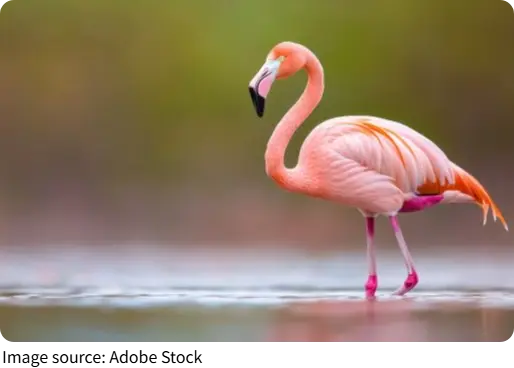
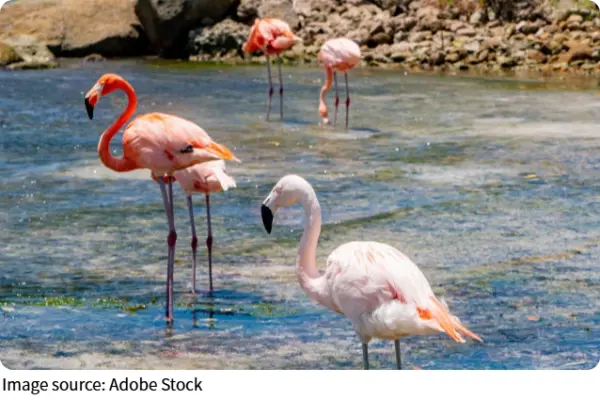
On a serene morning, a shallow lake glows with hues of pink as hundreds of flamingos wade gracefully, their long legs reflected in the water. Each bird dips its curved bill rhythmically, stirring up tiny shrimp and algae, creating a mesmerizing spectacle.
Observing this scene, one wonders how flamingos select such habitats and why they sometimes travel hundreds of miles to reach them. The survival of flamingos is intricately tied to the availability and quality of specific wetlands.
Salt lakes, lagoons, and shallow estuaries offer the precise combination of food, safety, and breeding conditions that these birds need. Their migration patterns are equally shaped by environmental cues, revealing a delicate balance between instinct, opportunity, and ecological limits.
Habitat Selection: The Search for the Perfect Wetland
1. Salt Lakes and Alkaline Ponds
Flamingos thrive in highly saline or alkaline lakes where few other animals can compete. These waters support abundant microorganisms, algae, and brine shrimp—the core of a flamingo's diet. The chemical composition not only provides nourishment but also reduces predation risks, allowing large colonies to feed and rest safely.
2. Shallow Lagoons and Estuaries
Shallow water is essential for filter-feeding. Flamingos use their specialized bills to strain tiny organisms from mud and water. Lagoons and estuaries with consistent shallow zones enable them to forage efficiently, even during seasonal changes in water levels. Depth, sediment type, and water movement all influence site suitability.
3. Safety and Nesting Considerations
Apart from food, flamingos prioritize nesting safety. Islands or mudflats isolated from terrestrial predators are preferred. Vegetation or exposed mudflats provide platforms for mound nests, where eggs can be incubated with minimal disturbance. Colony density also contributes to protection: large numbers allow for collective vigilance against threats.
Migration Patterns and Environmental Influences
1. Seasonal Water Availability
Flamingos often migrate to track water sources that vary seasonally. Drought or excessive rainfall can alter food abundance and habitat accessibility. Birds may fly hundreds of kilometers to reach new lakes where conditions remain optimal, demonstrating an intricate understanding of regional climate patterns.
2. Temperature and Climate Cues
Environmental temperature influences flamingo movement. Colder regions may be abandoned in favor of warmer wetlands where food remains plentiful. Rising or falling water temperatures can affect microorganism growth, indirectly guiding the timing and destination of migration.
3. Navigational Strategies
Flamingos rely on visual landmarks, sun position, and possibly geomagnetic cues to navigate long distances. Large flocks maintain cohesion in flight through coordinated movement, reducing energy expenditure and improving survival odds during migration.
Conservation Implications of Habitat Dependence
1. Vulnerability to Habitat Loss
Flamingos are highly sensitive to wetland degradation. Pollution, water diversion, and urban expansion reduce the availability of key feeding and nesting sites. Even small changes can disrupt colony health and breeding success, emphasizing the importance of wetland protection.
2. Protected Areas and Ramsar Sites
Conservation programs that safeguard wetlands, such as Ramsar-designated sites, provide refuges for flamingos to feed, breed, and rest. Monitoring water quality, human activity, and seasonal changes helps maintain suitable conditions for long-term population stability.
3. Community Engagement and Ecotourism
In some regions, local communities benefit from ecotourism centered around flamingo colonies. This creates incentives to protect habitats while educating the public about the ecological importance of wetlands, fostering coexistence between humans and wildlife.
Flamingos' striking appearance is only part of their story. Their survival depends on careful habitat selection, keen sensitivity to environmental changes, and long-distance migration. Observing them reminds us that the health of wetlands directly impacts not just one species, but the broader ecosystem.
Next time you see flamingos wading in vibrant waters, consider the delicate balance of conditions that made that scene possible. Every shallow lagoon, shimmering salt lake, and distant migration route represents a remarkable adaptation to the challenges of survival in a changing world.