Innovations in Heart Disease

Arvind Singh
| 05-03-2026
 · News team
Heart disease continues to be a top cause of illness and death around the globe, driving continuous efforts to improve how it is detected, treated, and prevented.
In recent years, powerful technological and medical advancements have reshaped clinical practice, offering new ways to spot early signs, personalize treatment, and support long-term wellness.
Artificial Intelligence and Diagnostic Precision
Artificial intelligence (AI) has rapidly become one of the most influential innovations in cardiovascular medicine. Machine learning algorithms can analyze large volumes of patient data—including images, electrical signals, and clinical history to identify patterns that might not be evident to human clinicians. Reports from major heart associations highlight AI’s potential to improve screening, interpretation of tests, and risk prediction, though broader clinical adoption is still evolving as evidence grows.
A powerful example of AI’s diagnostic utility is a new AI-enabled stethoscope that can rapidly analyze heart sounds and electrical activity to detect conditions that typically require more advanced tests. In clinical studies, this device significantly improved early detection of particular cardiac abnormalities compared with traditional stethoscopes, suggesting that smart augmentation of routine exams can uncover hidden risk earlier.
Minimally Invasive Treatments and Device Innovations
Another major frontier in heart disease innovation is the expansion of minimally invasive procedures. Techniques such as transcatheter valve replacements allow clinicians to repair or replace malfunctioning components without the extensive trauma of open surgery. These procedures often lead to shorter recovery times and fewer complications for patients deemed high-risk for traditional operations.
Advances in implantable technology also provide substantial benefits. Leadless pacing systems represent a newer category of devices that help regulate rhythm without wires, reducing complications and allowing quicker healing after placement. Novel approaches to targeted drug delivery are emerging as well. For instance, drug-coated balloons using nanotechnology are designed to restore vessel openness while reducing the need for permanent metal implants, potentially lowering long-term risks and treatment costs.
Wearable and Remote Health Monitoring
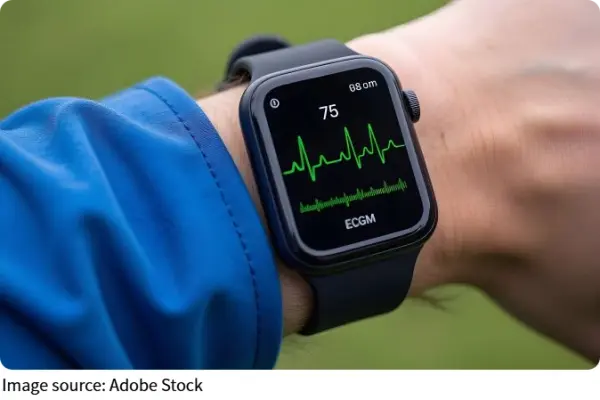
Wearable devices have shifted from simple fitness trackers to sophisticated health monitors capable of continuous data capture. This capability allows for real-time surveillance of heart rate, rhythm irregularities, and other vital metrics. When combined with predictive analytics, these wearables enable clinicians to track patients between appointments, capturing early deviation from expected patterns that may signal escalating risk.
Biomarkers, Precision Medicine, and Predictive Tools
Beyond hardware and digital solutions, innovations in biological research are expanding how disease progression is understood and treated. Cutting-edge biomarker exploration, including multi-omics data (genomic, proteomic, metabolomic), is revealing nuanced indicators that refine early detection and risk stratification. These insights allow more personalized care planning that aligns therapies with individual biological profiles.
Similarly, advanced prediction algorithms like polygenic risk scoring use genetic variants to estimate long-term risk, helping identify individuals who may benefit from preventive strategies earlier in life.
Dr. Seth Martin, M.D., M.H.S., FACC, a cardiology professor and volunteer with the American Heart Association, has emphasized the transformative potential of technology and innovation in cardiovascular care. He notes that new tools and digital health solutions can help translate scientific evidence into practical, personalized strategies, improving access to care and supporting better patient outcomes.
Challenges and Future Directions
Despite remarkable progress, integrating these innovations into mainstream health care presents challenges. Technologies must be validated across diverse populations, workflows adapted for clinical settings, and ethical considerations addressed to ensure equitable access.
Innovations in heart disease are rapidly redefining how clinicians detect, treat, and monitor conditions that compromise cardiovascular health. As these technologies mature and integrate into standard care, they offer the potential to improve outcomes and transform the experience of individuals affected by heart disease. Continuous research, thoughtful implementation, and responsible innovation will be essential in shaping the future of cardiovascular health.