Reading Horse Body Signals

Raghu Yadav
| 08-03-2026
 · Animal team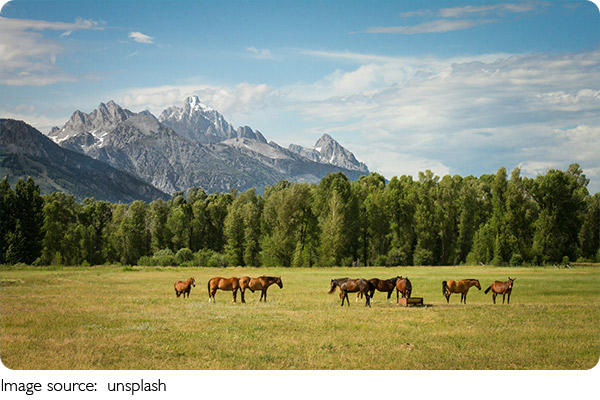
A horse standing quietly in a field can appear calm and simple at first glance.
Yet anyone who spends time near horses soon notices how expressive they really are.
An ear flicks backward, the tail swishes, the head lifts slightly. These movements are not random. Horses communicate constantly through body language, and learning to read those signals helps handlers understand what the animal is feeling in any moment.
Why Body Language Matters
Horses communicate visually
Unlike people, horses rely heavily on physical signals rather than vocal sounds. In a herd, members observe each other's posture, ear position, and movement to interpret intent. A slight shift of weight or the direction of the ears can communicate attention, curiosity, or irritation. Because horses evolved as prey animals, their awareness of body signals is extremely refined.
Signals help prevent conflict
In natural herd behavior, physical cues allow horses to settle disagreements without physical contact. A dominant horse may pin its ears back or step forward slightly, and another horse usually moves away before the situation escalates. Understanding these signals helps handlers recognize when a horse feels pressured or uncomfortable.
Communication builds trust
When a handler responds correctly to a horse's body language, the animal learns that its signals are understood. This mutual understanding strengthens cooperation during grooming, leading, and training. Misreading or ignoring signals, on the other hand, can create confusion or tension.
What the Ears Reveal
Forward ears
Ears pointing forward often indicate curiosity or attention. A horse might hold its ears forward while observing a new object or watching movement in the distance. This posture usually reflects alertness rather than fear.
Sideways ears
When ears rotate slightly to the side, the horse may be relaxed or listening to multiple sounds. During calm activities like grazing or standing quietly in a stable, horses often hold their ears in this neutral position.
Pinned ears
Ears flattened backward against the head signal irritation or warning. This gesture is commonly seen when one horse tells another to move away. Handlers should treat pinned ears as a clear sign that the horse is uncomfortable or annoyed.
Understanding Head and Neck Movements
Raised head
A raised head and tense neck usually indicate alertness. The horse may be focusing on something unfamiliar in the environment. In this position, the animal is prepared to move quickly if necessary.
Lowered head
A lowered head often reflects relaxation. Horses that feel safe may drop their heads slightly while standing or being groomed. Some horses also lick and chew softly after releasing tension during training exercises.
Repeated head tossing
Frequent head tossing can signal frustration, discomfort, or resistance. Sometimes it occurs when equipment does not fit comfortably or when the horse feels confused by unclear cues. Observing the surrounding context helps determine the cause.
The Role of Tail and Body Posture
Relaxed tail movement
A tail that swings gently from side to side often reflects a calm state. Horses commonly move their tails in this way while walking slowly or standing in comfortable conditions.
Rapid tail swishing
Fast or repeated tail swishing may indicate irritation. It can occur when a horse reacts to insects, but it may also signal frustration during handling or training.
Overall body tension
The entire posture of the horse provides valuable information. A relaxed horse carries its weight evenly and moves smoothly. When muscles appear stiff or the body leans away from a handler, the horse may be uncertain or uneasy.
Observing Signals in Context
Environment influences behavior
A horse's body language often reflects its surroundings. Loud noises, unfamiliar animals, or sudden movement can quickly change posture and attention.
Individual personality matters
Just like people, horses have individual temperaments. Some remain calm in new situations, while others react more quickly. Recognizing these differences helps handlers interpret signals more accurately.
Consistent observation improves skill
Learning to read horse behavior takes time. Spending quiet moments simply observing horses in a pasture or stable can help people notice subtle patterns in their communication.
Horses rarely hide their feelings. Instead, they express them through small, continuous movements that reveal curiosity, comfort, or concern. A handler who pays attention to these signals begins to see the animal less as a silent companion and more as a partner in conversation.
The next time a horse flicks its ears or shifts its posture, it may be saying more than it seems. Watching carefully and responding thoughtfully can turn those quiet signals into a deeper understanding between horse and human.