Burj Al Arab Dubai Guide

Elena Rossi
| 13-03-2026
 · Travel team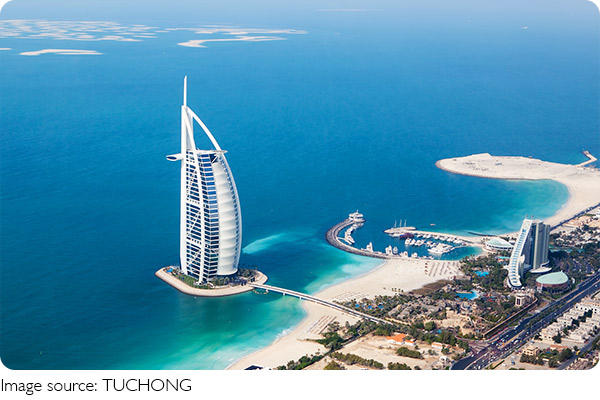
Rising from the Arabian Gulf like a billowing sail, Burj Al Arab stands as one of Dubai's most remarkable architectural symbols.
Completed in 1999 to coincide with the city's rapid transformation into a global business and tourism hub, this hotel has become as recognizable as any modern landmark on the planet.
It is set on a purpose built island connected to Jumeirah Beach by a private causeway, where soaring glass and steel frame a design meant to evoke both progress and maritime heritage.
More than an architectural marvel, the Burj Al Arab represents a bold statement about hospitality and luxury that has redefined expectations across the travel world. This article explores what makes it unique, how visitors can experience it, and why it remains a bucket list destination for travelers.
Burj Al Arab
Design, Location and Engineering Feat
The Burj Al Arab was envisioned by British architect Tom Wright of Atkins as a structure that would become a defining image of a city on the rise. Its sail like silhouette is not simply decorative; it reflects both function and symbolism. The exterior skeleton supports an atrium that soars to nearly 180 meters — one of the tallest in the world — creating a dramatic interior space that immediately announces luxury on arrival.
The hotel is 321 meters tall, making it one of the tallest hotels globally and a defining shape against Dubai's skyline. It stands on a man made island located about 280 meters offshore from the Jumeirah shoreline, connected by a private 340 meter causeway that enhances its sense of exclusivity.
Engineering this structure presented unique challenges, including constructing deep marine foundations to support the hotel on saturated soil and designing the atrium to withstand wind loads and desert conditions without compromising aesthetics or comfort.
Iconic Features and Visitor Experiences
Noted for its unmatched luxury and distinctive features, the Burj Al Arab offers experiences that entice many visitors — even those who do not stay overnight.
1. Sail inspired Architecture: The building's shape pays homage to traditional Arabian dhows, reflecting Dubai's maritime past while embracing futuristic design.
2. Atrium Grandeur: Inside, visitors are greeted by a colossal atrium, nearly 180 m tall, filled with light and decorative elements.
3. Exclusive Location: Set on its own island, the hotel conveys privacy and prestige. Access is via a dedicated causeway for guests and visitors.
4. Helipad and Events: The helipad atop the building has hosted high profile events and offers unparalleled views of the city and sea.
5. Luxury Suites: With 202 duplex suites featuring panoramic views of the Gulf, the accommodations emphasize spaciousness and comfort.
Many visitors choose to experience the interior through guided tours offered by the hotel, which showcase the dramatic architecture and highlight design elements that are otherwise unseen from the outside. Tours typically include access to key areas of the lobby and selected vantage points within the structure for photo opportunities.
📍 Accommodation
A night in a suite at the Burj Al Arab typically starts from roughly $2,000–$3,500 USD per night for a deluxe or entry‑level suite, rising to $4,000–$7,000 USD or more for panoramic or premium suites. The most exclusive rooms, like the Royal Suite, can reach $18,000–$30,000 USD per night or higher during peak seasons.
☕ Dining Experiences Without Staying Overnight
One of the most popular ways to experience the hotel’s interior is afternoon tea or high tea, which typically ranges around AED 550–AED 650 per person (about $150–$180 USD) depending on the venue.
Cloud‑level experiences like Sky Tea at Skyview Bar cost roughly AED 620 per person (about $170 USD), with window seating often priced extra.
Signature lunch or dinner at some of the hotel’s restaurants (e.g., Bab Al Yam, Junsui) can cost around AED 410–AED 500+ per person (about $110–$135 USD+), depending on the menu and time of day.
Practical Travel Tips
For visitors planning a trip that includes Burj Al Arab:
1. Location & Transport: The hotel is located in Dubai, United Arab Emirates, on a private island near Jumeirah Beach. It is easily reached by taxi or ride hailing services from central Dubai and major transport hubs, including Dubai International Airport.
2. Visiting Without Staying: Non guests generally need a restaurant reservation or a ticket for a guided tour to access interior areas.
3. Dress Code: Smart casual attire is recommended for dining venues and public interior spaces.
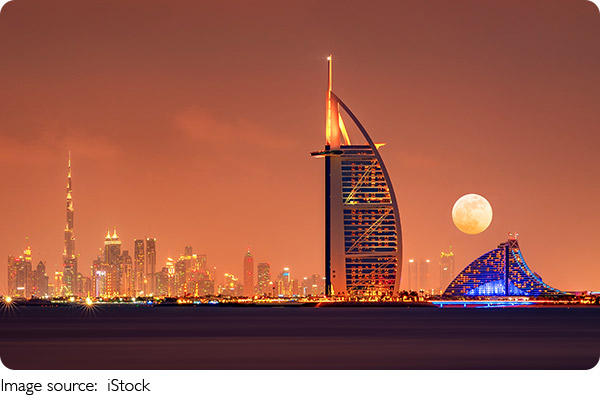
4. Best Views: The exterior silhouette is photogenic at sunrise and sunset, with views best captured from Jumeirah Beach or the Corniche walkways.
A Landmark Beyond Luxury
The Burj Al Arab transcends its role as a hotel — it tells a story about a city's ambitions and identity. Its sail inspired design signals Dubai's desire to blend cultural heritage with cutting edge innovation in a way that captivates the world. Whether seen from afar at sunrise or experienced from within its dramatic atrium, the building leaves a lasting impression on visitors.
The hotel's enduring iconic status reminds us that architecture can inspire and elevate human experience — not merely by providing shelter or service, but by shaping how we imagine possibility and aspiration on a global stage.