Grape Life Cycle

Chris Isidore
| 16-03-2026
 · Cate team
Grapes may look simple, but their journey from tiny buds to plump, juicy clusters is full of surprises. Watching each stage of their growth is fascinating, and with a little care, we can guide them to reach their full potential.
In this article, we’ll take you through the grape flowering and fruiting process, sharing detailed tips for managing them effectively. It’s both practical and fun to follow!
Flowering Begins: Buds to Blossoms
Grape clusters don’t bloom all at once. The middle buds usually mature first, followed by those at the base, while the tips of the cluster bloom last. The time from bud sprouting to flowering depends heavily on weather, especially temperature. Typically, it takes about 6–9 weeks. Once the day and night average temperature reaches 20°C, flowering begins.
The length of the flowering period varies by grape variety and climate, generally lasting 6–10 days. Cooler temperatures or continuous rainy days can delay flowering and extend the bloom period. Here’s a closer look at the stages:
1. Bud Stage – Buds Appear
2. Early Flower – Blooming
3. Fruit Set – First Growth
4. Hardening – Color Starts Changing
5. Color Change – Ripening
Managing Grapes During Flowering
Flowering coincides with the second-year flower bud differentiation and rapid new shoot growth. This is a critical period because flowering, bud formation, and shoot growth demand a lot of nutrients. Proper management now directly affects the next year’s fruiting potential. Key tasks during this period include:
1. Apply fast-acting fertilizer before and after flowering.
2. Manage new shoots to improve air circulation and light exposure, including timely trimming and tying. Control lateral shoots for better energy allocation.
3. For female-flowered or poorly pollinated varieties, perform assisted pollination.
4. For varieties prone to flower or fruit drop, pinch tips when buds appear and spray boron fertilizer to support fruit set.
The Berry Growth Period
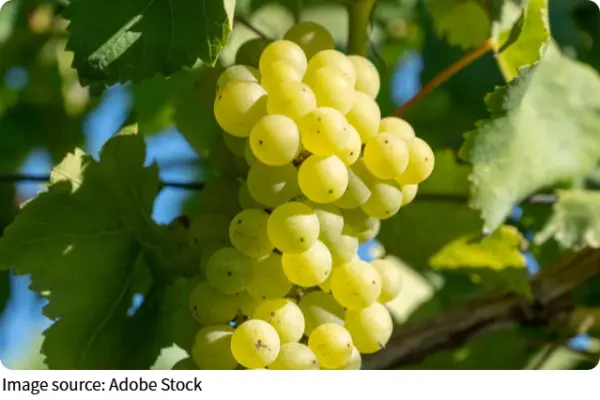
The grape berry development stage is long and involves several phases: rapid initial growth, hardening, secondary expansion, and final ripening. Among these, the first rapid growth of young berries is the most critical. Proper management here significantly impacts both yield and fruit quality.
Cluster Thinning and Maintenance
To control yield and ensure uniform clusters, carefully thin the flower clusters. After natural drop of undeveloped berries, remove small or misshapen fruits to keep the clusters neat and attractive. Well-managed thinning ensures every grape has enough resources to grow plump.
Using Growth Regulators
For tetraploid varieties, soak thinned clusters in growth stimulants. Seedless grapes can be treated with a low concentration of gibberellin. Always follow label instructions, adjusting concentration based on variety and trial results. Seeded European or Asian varieties should avoid growth regulators and gibberellin to prevent damage.
Bagging Clusters for Protection
Bagging grape clusters can reduce disease risk and pesticide residue. After thinning and soaking clusters, promptly bag them. Before bagging, apply a systemic fungicide. The choice of pre-bagging chemicals depends on the main diseases affecting the variety: for red globe grapes, focus on gray mold, anthracnose, white rot, and Cladosporium. For Kyoho grapes, prioritize anthracnose, white rot, and Cladosporium. Frost and downy mildew prevention must also be considered.
Fertilization During Berry Growth
Expanding berries require sufficient nutrients. During the early rapid growth stage, apply 15–20 kg of urea per acre and 15–20 kg of compound fertilizer per acre to the roots, followed by irrigation. Alternatively, spray foliar multinutrient fertilizers 2–3 times to boost berry development.
Field Management Practices
Water control, inter-row cultivation, trimming, and removing lateral shoots are crucial. Soil moisture management is particularly important: too little water restricts berry growth, while excessive water can cause root rot. Irrigate during dry spells but avoid flooding. During continuous rain, ensure proper drainage. Prune and tie new shoots to improve airflow and light exposure, helping grapes grow strong and ripen evenly.
Pest and Disease Prevention
Focus on preventing downy mildew and anthracnose. Rainy periods increase the risk of downy mildew, so prioritize its management during this stage. Regular monitoring and timely preventive measures are essential for healthy grape growth.
Final Thoughts
Observing grape growth closely is like watching nature’s magic unfold. By understanding each stage and applying careful management, we can ensure both high-quality and high-yield grapes. Lykkers, next time you enjoy a juicy cluster, remember the intricate care behind each berry. Growing grapes is both a science and a joy—we hope this guide helps you appreciate every step of the process.