Haflinger Horse Guide
Owen Murphy
| 17-03-2026
 · Animal team
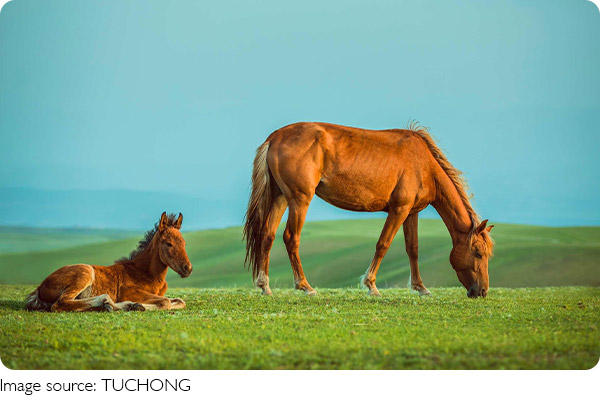
The Haflinger is instantly recognizable for its golden chestnut coat and flowing light-colored mane.
Beyond its striking appearance, this breed has been shaped by rugged landscapes and practical needs.
Developed in the mountainous regions of Austria and northern Italy, the Haflinger is known for its strength, reliability, and gentle temperament. Today, it stands as one of the most versatile horse breeds, valued by riders, families, and professionals alike.
Origins and Historical Development
The Haflinger breed traces its modern origin to the year 1874, with the birth of a foundation stallion named Folie. This horse, descended from both Arabian and local mountain stock, established the bloodlines that define the breed today.
Originally bred for work in steep Alpine terrain, Haflingers were used as pack horses and for agricultural labor. Their ability to navigate narrow paths and carry loads made them essential in mountainous regions. Over time, selective breeding refined their appearance and versatility, allowing them to transition from working animals to multi-purpose riding horses.
Physical Characteristics
Haflingers are compact yet powerful horses, combining strength with balanced proportions. Their appearance is both elegant and functional, reflecting their working origins.
Key physical traits include:
1. Chestnut coat in shades from light gold to deep brown
2. Flaxen (light-colored) mane and tail
3. Strong, muscular body with a deep chest
4. Height typically between 13.5 and 15 hands
These features contribute to both their visual appeal and their physical capability. Their sturdy build allows them to carry weight efficiently while maintaining agility.
Temperament and Personality
One of the Haflinger's most valued qualities is its temperament. They are widely recognized for being gentle, intelligent, and people-oriented. They are often described as calm and dependable, making them suitable for riders with varying levels of experience.
At the same time, their intelligence can lead to strong-willed behavior. Proper training and consistent handling are important to ensure they remain cooperative and responsive. This balance between friendliness and independence gives the breed its unique character.
Versatility and Modern Uses
The Haflinger is a highly versatile breed, capable of performing in a wide range of disciplines. Originally bred for work, it has adapted well to modern equestrian activities.
Common uses include:
1. Leisure and trail riding
2. Driving and carriage work
3. Dressage and jumping
4. Therapeutic riding programs
Their adaptability makes them suitable for both recreational riders and competitive environments. Their calm nature also contributes to their popularity in therapy programs, where reliability is essential.
Care and Longevity
Haflingers are considered a hardy breed, largely due to their origins in challenging environments. They are generally easy to care for and can live long lives, often reaching 25 to 30 years.
Basic care includes proper nutrition, regular grooming, and consistent exercise. Their light-colored coats may require extra grooming to maintain a clean and polished appearance. With proper care, they remain healthy, active, and capable for many years.
Conclusion: Strength with a Gentle Spirit
The Haflinger represents a rare combination of strength, adaptability, and calm temperament. From their origins as mountain workhorses to their role in modern equestrian life, Haflingers have maintained their core qualities while evolving to meet new demands.
Choosing a Haflinger means choosing reliability and connection. It is a breed that not only performs well but also builds trust with its handler. In a world where versatility and temperament matter more than ever, the Haflinger continues to stand out as a dependable and enduring companion.