Avoid Dental Phobia!

Pardeep Singh
| 19-03-2026
 · News team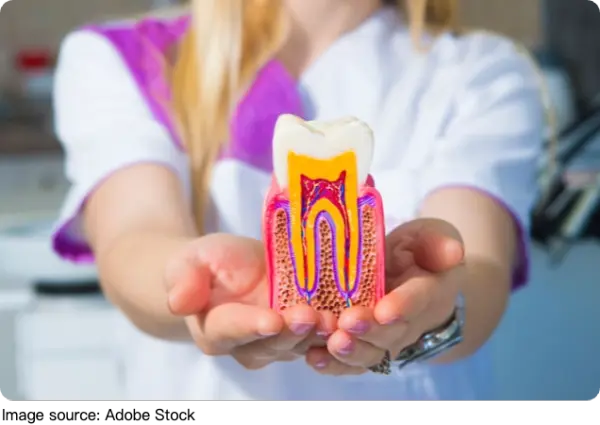
Dental anxiety in children is a common concern that can significantly impact long-term health. Fear of dental visits may lead to avoidance, delayed treatment, and a higher risk of dental complications.
Early interventions focused on creating positive experiences, effective communication, and supportive environments can prevent the development of persistent dental phobia.
Understanding the Roots of Dental Fear
Dental phobia often originates from a combination of personal experiences, observational learning, and innate temperament. Painful or uncomfortable past procedures can reinforce negative associations, while witnessing anxious behaviors in peers or family members can amplify fear. Additionally, children with heightened sensitivity to new environments or unfamiliar sounds may be more prone to anxiety during dental visits.
Early recognition of these predispositions allows caregivers and dental professionals to tailor approaches that minimize distress. Identifying triggers such as the sight of dental instruments, specific sounds, or unfamiliar smells can inform targeted strategies to reduce anxiety.
Establishing Positive First Experiences
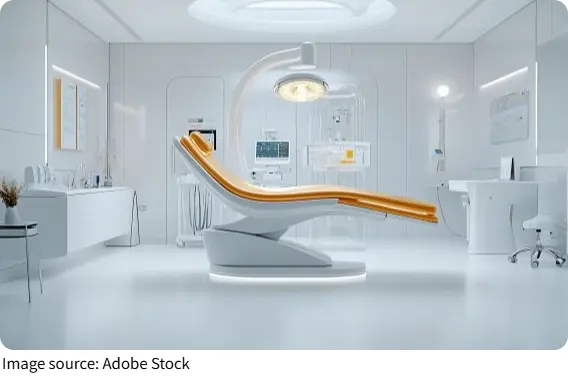
Initial dental visits are crucial in shaping perceptions of dental care. Appointments should focus on familiarity rather than treatment intensity. Simple activities, such as exploring the dental chair, meeting the dentist, and discussing procedures in child-friendly language, help normalize the environment.
Introducing preventive care routines, like fluoride application or gentle cleaning, without causing discomfort reinforces trust and cooperation. Positive reinforcement, through praise or small rewards, encourages children to associate dental visits with safety and accomplishment rather than fear.
Communication and Behavioral Techniques
Effective communication is a cornerstone of anxiety reduction. Using age-appropriate explanations, visual aids, and demonstration tools helps children understand what to expect. Avoiding technical jargon and emphasizing sensations, such as “tickling” or “gentle pressure,” can alleviate uncertainty.
Behavioral techniques like modeling, desensitization, and distraction further support comfort during procedures. Modeling involves showing calm responses, either by a parent or through videos of other children successfully completing visits. Gradual exposure to dental stimuli allows children to build confidence over multiple sessions, while distraction with music, storytelling, or interactive displays can redirect attention during treatment.
Role of the Dental Environment
The design and atmosphere of a dental clinic play a critical role in mitigating anxiety. Child-friendly decor, colorful walls, and playful waiting areas create a welcoming environment. Reducing clinical odors and loud operational sounds through ventilation systems or background music also helps ease sensory overload.
Dental staff trained in pediatric care and familiar with anxiety management techniques can further enhance comfort. Establishing consistent routines and predictable sequences during visits provides a sense of security, reducing anticipatory stress.
Encouraging Preventive Habits at Home
Early home-based dental care reinforces positive attitudes toward dental health. Brushing and flossing routines conducted in a supportive, non-threatening manner build confidence and familiarity with dental hygiene tools. Parents and caregivers acting as role models, demonstrating calm and consistent behaviors during toothbrushing, strengthen these habits.
Nutrition also contributes indirectly by minimizing dental interventions. Limiting sugary snacks and encouraging water intake reduces the likelihood of cavities, thereby reducing potentially fear-inducing procedures.
The importance of preventive dental habits at home is strongly supported by pediatric health research. The American Academy of Pediatrics emphasizes that early, consistent mouth and teeth hygiene routines—such as brushing with fluoride toothpaste and parental supervision—are essential for preventing tooth decay and establishing lifelong habits. Their clinical guidance highlights that parents should actively model good mouth and teeth care behaviors and assist children with brushing until they develop proper skills, reinforcing both technique and confidence.
When Professional Intervention is Needed
In cases of severe dental anxiety, additional interventions such as cognitive-behavioral therapy or sedation may be appropriate. Identifying children who require specialized support early ensures that treatment can proceed safely and effectively without reinforcing negative experiences. Collaboration between mental health and dental professionals enhances outcomes, providing both psychological and procedural support.
Building Lifelong Health Confidence
Consistent, positive experiences during early dental visits lay the foundation for lifelong dental care. Combining patient-centered communication, supportive environments, preventive home care, and professional guidance fosters resilience against fear. Children who learn to view dental care as safe and manageable are more likely to maintain regular check-ups, reducing long-term risks and promoting overall health.
Preventing dental phobia in children involves understanding the psychological roots of fear, creating positive early experiences, and using effective behavioral strategies. By addressing fear early and systematically, dental visits can become a routine, comfortable part of life, supporting lifelong health and well-being.