Forest in Autumn Glow

Mukesh Kumar
| 23-03-2026
 · Automobile team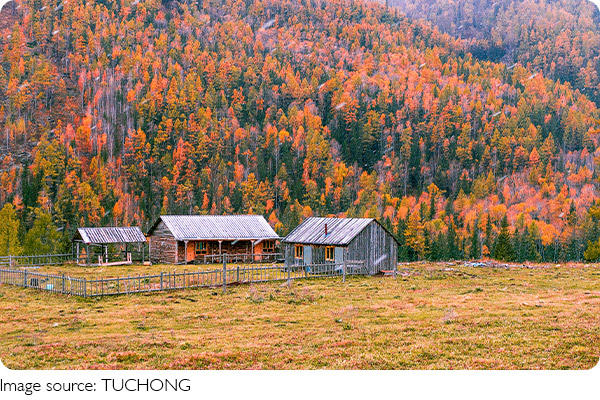
As summer slowly fades, forests undergo a magical transformation. The dense green canopy gradually shifts to vibrant shades of gold, red, and orange.
This seasonal metamorphosis is not only a feast for the eyes but also a fascinating scientific process, reflecting the complex interplay of light, temperature, and tree physiology.
Walking through an autumn forest, one cannot help but marvel at how nature choreographs such a stunning display each year.
The Science Behind Autumn Colors
The changing colors of leaves in autumn are primarily caused by chemical changes within the foliage.
1. Chlorophyll Breakdown
Chlorophyll, the pigment responsible for green leaves, begins to break down as daylight decreases and temperatures drop. Its decline reveals other pigments that were previously masked.
2. Carotenoids and Anthocyanins
Carotenoids produce yellow and orange hues, while anthocyanins are responsible for deep reds and purples. Their visibility varies with tree species, weather conditions, and soil chemistry.
3. Environmental Influence
Cool nights, sunny days, and low stress on trees enhance pigment production, making the colors more vivid. Conversely, cloudy or warm conditions can produce muted shades.
Experiencing the Autumn Forest
Autumn forests are not just about visual beauty; the experience engages all senses.
1. Walking Through Leaf Carpets
Crunching underfoot, fallen leaves create a mosaic of colors and textures, adding a tactile dimension to the forest.
2. Observing Wildlife Activity
Animals prepare for winter, with squirrels gathering nuts and birds flocking in formation. The changing forest serves as a backdrop for this seasonal rhythm.
3. Photography and Reflection
Photographers and nature enthusiasts find endless inspiration in the interplay of light and color. Early morning mist or late afternoon sun enhances the amber glow, offering perfect moments to capture nature's fleeting artwork.
Practical Tips for Autumn Forest Visits
Planning a trip ensures the best experience and safety in autumn woods.
1. Best Viewing Times
Leaf colors typically peak in late September to October, depending on latitude and elevation.
2. Access and Trails
Many national parks and nature reserves provide marked trails, parking, and visitor centers. Entrance fees generally range from $5–$25 USD.
3. Clothing and Preparation
Layered clothing is recommended for fluctuating temperatures, along with sturdy footwear for uneven terrain.
Reflection on Seasonal Change
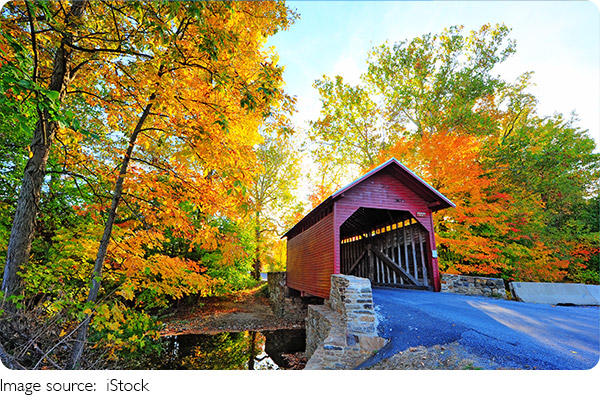
Witnessing a forest transform from green to amber is a reminder of life's cycles and the beauty of impermanence. Each leaf's journey—from vibrant green to fiery red and golden yellow—mirrors the subtle transitions in nature and in life. Autumn invites reflection, mindfulness, and gratitude, encouraging us to pause and appreciate fleeting moments of brilliance. By observing the forest's annual spectacle, we not only enjoy its beauty but also gain insight into the resilience and adaptability of life itself.